
Summary
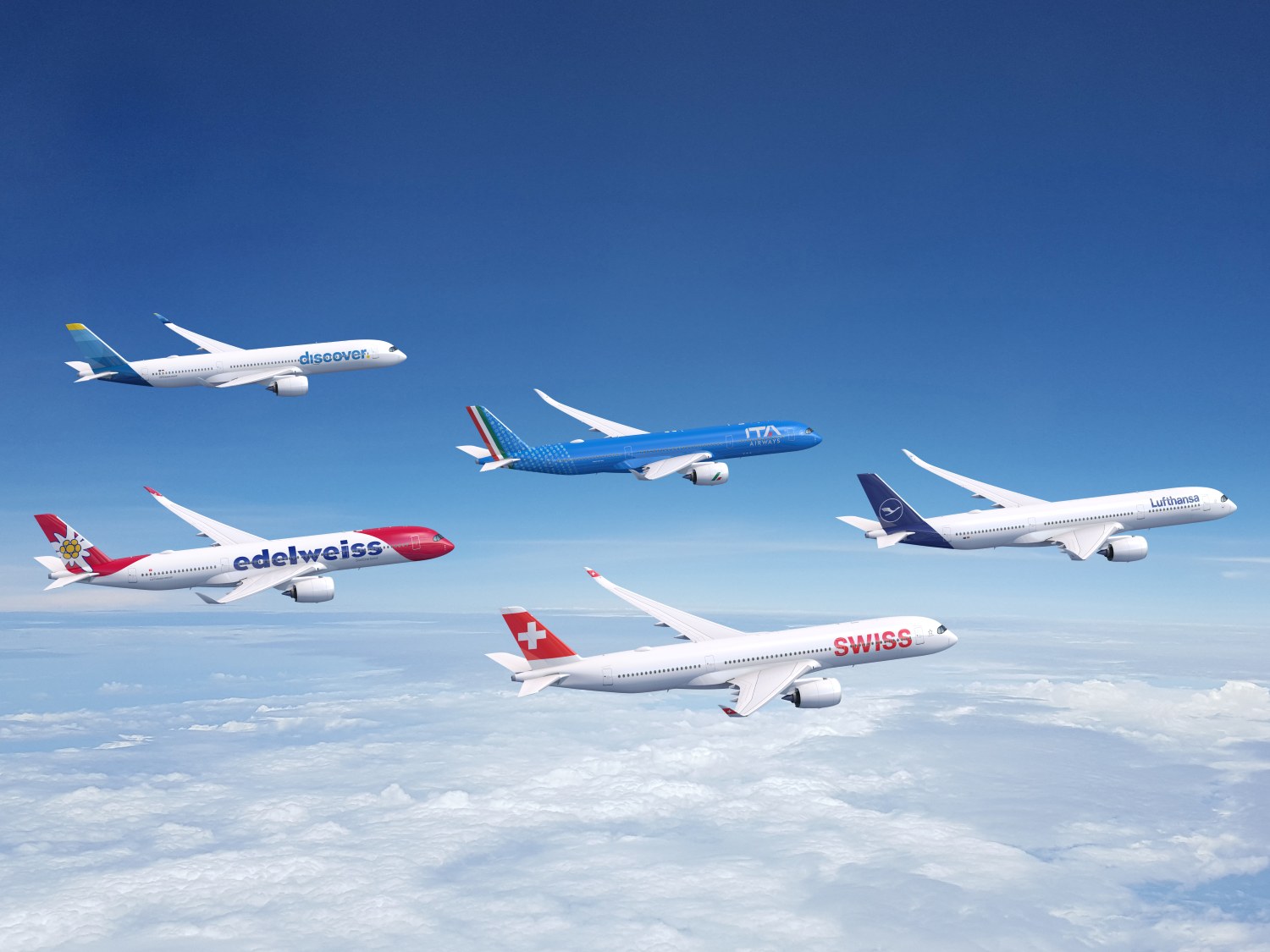
The Lufthansa Group has unveiled two major strategic moves which underline its ambitions to strengthen its position as one of Europe’s dominant airline groups.
In announcements made this week, Lufthansa confirmed it will increase its ownership of ITA Airways to 90%, while also placing an order for 20 additional long-haul aircraft split between Airbus and Boeing.
Together, the developments represent a significant expansion strategy for the German airline giant as it continues modernising its fleet and consolidating its position across Europe.
Lufthansa Tightens Grip On ITA Airways

Anna Zvereva, CC BY-SA 2.0 <https://creativecommons.org/licenses/by-sa/2.0>, via Wikimedia Commons
Lufthansa already holds a 41% stake in ITA Airways, the successor airline to the former Alitalia. However, the group has now confirmed it will exercise its option to increase that stake to 90% during June 2026.
The move had been widely expected since Lufthansa first invested in the Italian carrier in 2023, but this latest step effectively gives the German group full operational control of Italy’s national airline.
ITA Airways has become an increasingly important part of Lufthansa’s network strategy. Based primarily at Rome Fiumicino Airport, the airline provides the group with stronger access to Southern Europe, the Mediterranean, and long-haul markets linking Italy with North and South America.
According to reports, Lufthansa sees ITA as having strong potential for expansion, particularly on routes to South America where Italy maintains extensive cultural and business ties.
The takeover also further strengthens Lufthansa Group’s growing multi-airline portfolio, which already includes:
- SWISS
- Austrian Airlines
- Brussels Airlines
- Eurowings
- Discover Airlines
- Air Dolomiti
For aviation enthusiasts, the integration of ITA Airways into the Lufthansa family may also bring further fleet harmonisation, network integration, and eventually changes to liveries, cabins, and route structures.
20 More Long-Haul Aircraft Ordered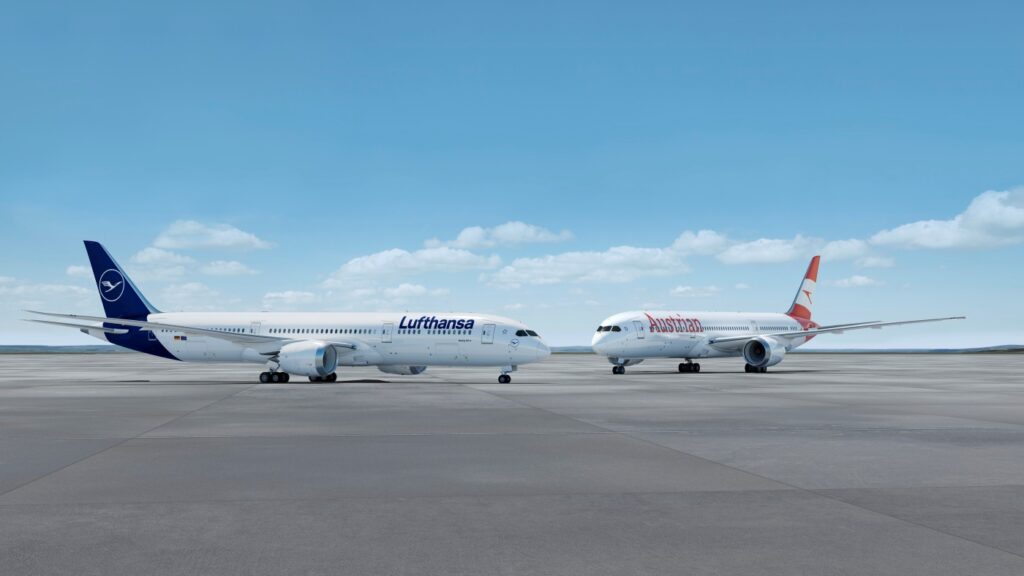
At the same time, Lufthansa Group has announced a major new aircraft order covering 20 additional widebody aircraft.
The order includes:
- 10 × Airbus A350-900
- 10 × Boeing 787-9 Dreamliner
Deliveries are expected between 2032 and 2034 and are expected to be deployed among the Lufthansa and Austrian Airlines fleets.
Lufthansa said the aircraft will support the ongoing modernisation of its long-haul fleet, replacing older and less efficient aircraft while improving fuel efficiency and reducing emissions.
The order continues what the airline group describes as the largest fleet renewal programme in its history. Lufthansa has already invested heavily in modern aircraft types in recent years, including the:
- Airbus A350-1000
- Boeing 777-9
- Boeing 787-9 Dreamliner
- Airbus A320neo family
The latest order is also notable because it keeps Lufthansa balanced between Europe’s Airbus and America’s Boeing, rather than committing exclusively to one manufacturer.
Preparing For An Uncertain Future
The announcements come during a challenging period for European airlines.
Like many carriers, Lufthansa has been dealing with rising fuel costs, geopolitical instability, delivery delays, and ongoing fleet planning challenges. The group has already begun withdrawing older aircraft types and cutting some capacity in response to higher operating costs.
At the same time, Lufthansa continues to face uncertainty surrounding delayed deliveries of the Boeing 777X programme, which is intended to become the flagship of its future long-haul fleet.
By ordering additional A350s and 787s, Lufthansa appears to be building flexibility into its long-term fleet strategy while ensuring it can continue retiring older aircraft such as the Airbus A340-600 and remaining older-generation widebodies.
A Stronger Lufthansa Group Emerging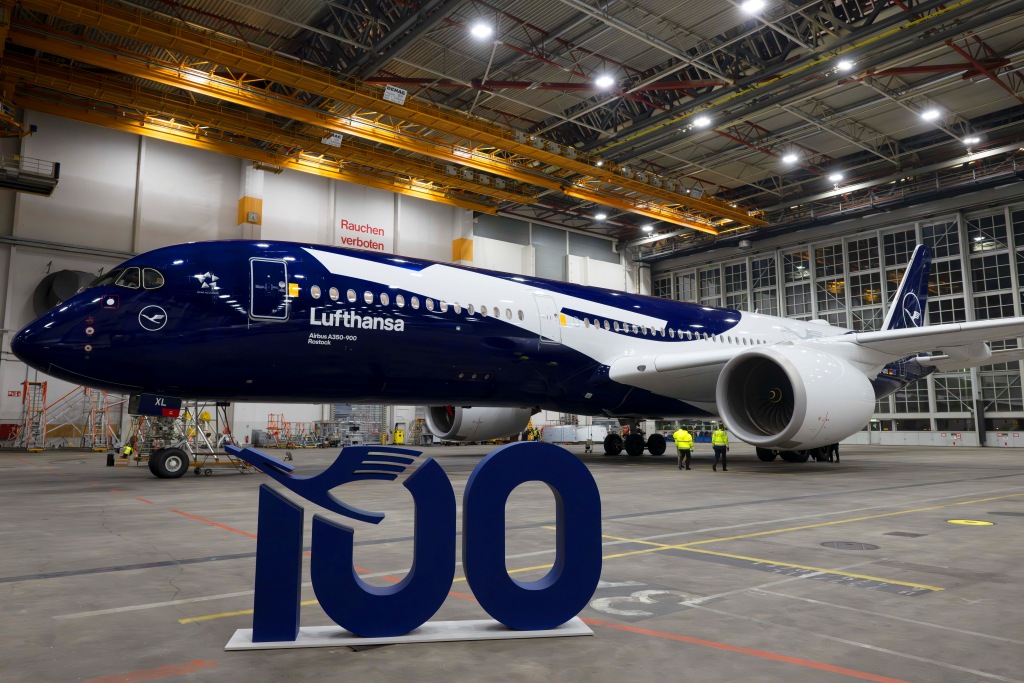
Taken together, the ITA Airways takeover and the new aircraft order show Lufthansa pushing ahead aggressively with growth and consolidation despite industry challenges.
The airline group is not only becoming larger geographically through ITA Airways, but also younger technologically through continued investment in modern twin-engine widebody aircraft.
For plane spotters and aviation enthusiasts, the coming decade could therefore bring an even more interconnected Lufthansa Group — with new liveries, fleet changes, route developments, and potentially one of the most modern long-haul fleets in Europe.
As the group reshapes itself for the 2030s, Lufthansa’s influence across European aviation appears set to grow even further.

