
Summary
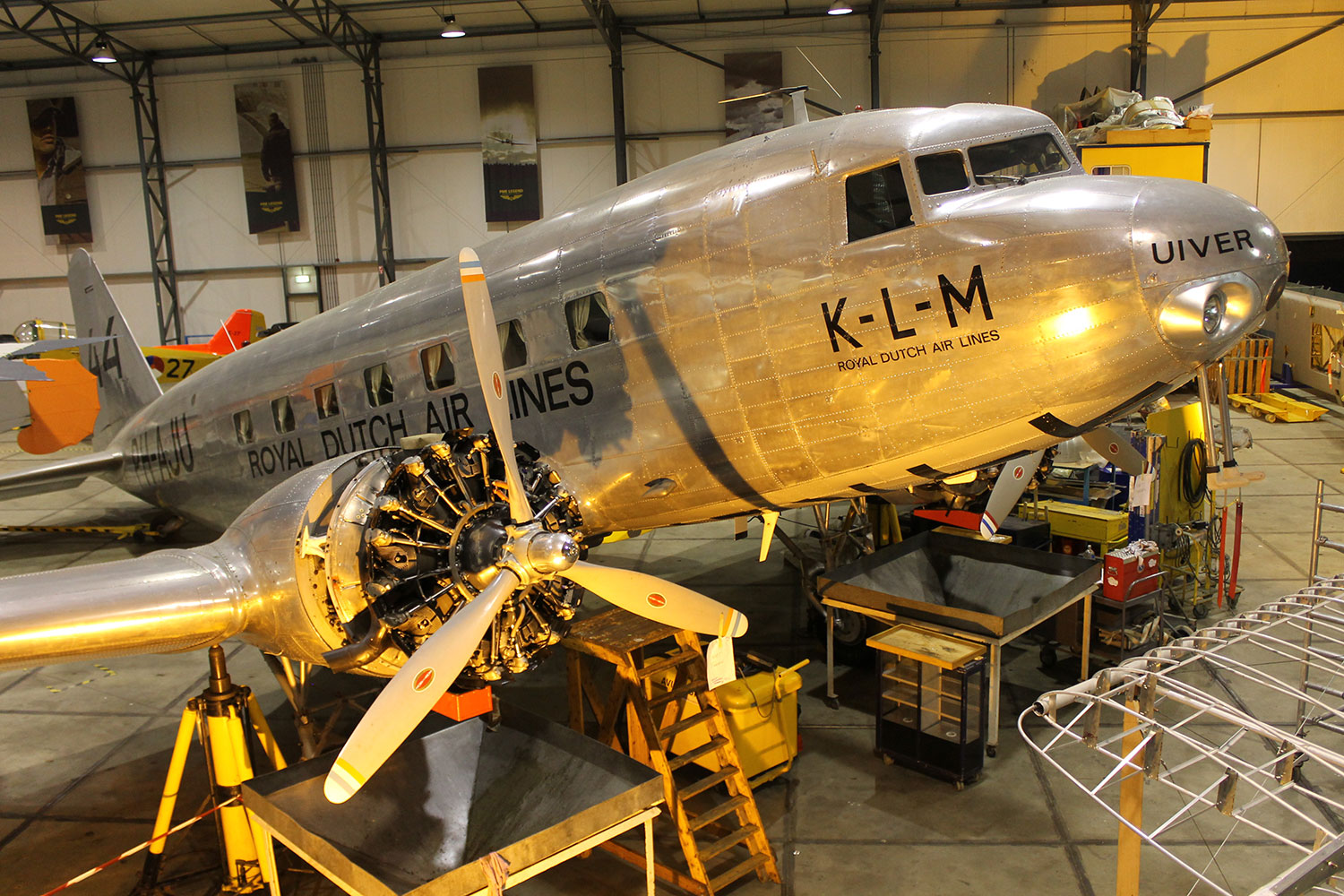
When aviation enthusiasts think of classic piston airliners, the Douglas DC-3 is usually the first aircraft that comes to mind.
The DC-3 transformed commercial aviation, proving that airlines could reliably make a profit carrying passengers rather than relying on government mail contracts. Yet the aircraft that made this revolution possible was its lesser-known predecessor, the Douglas DC-2.
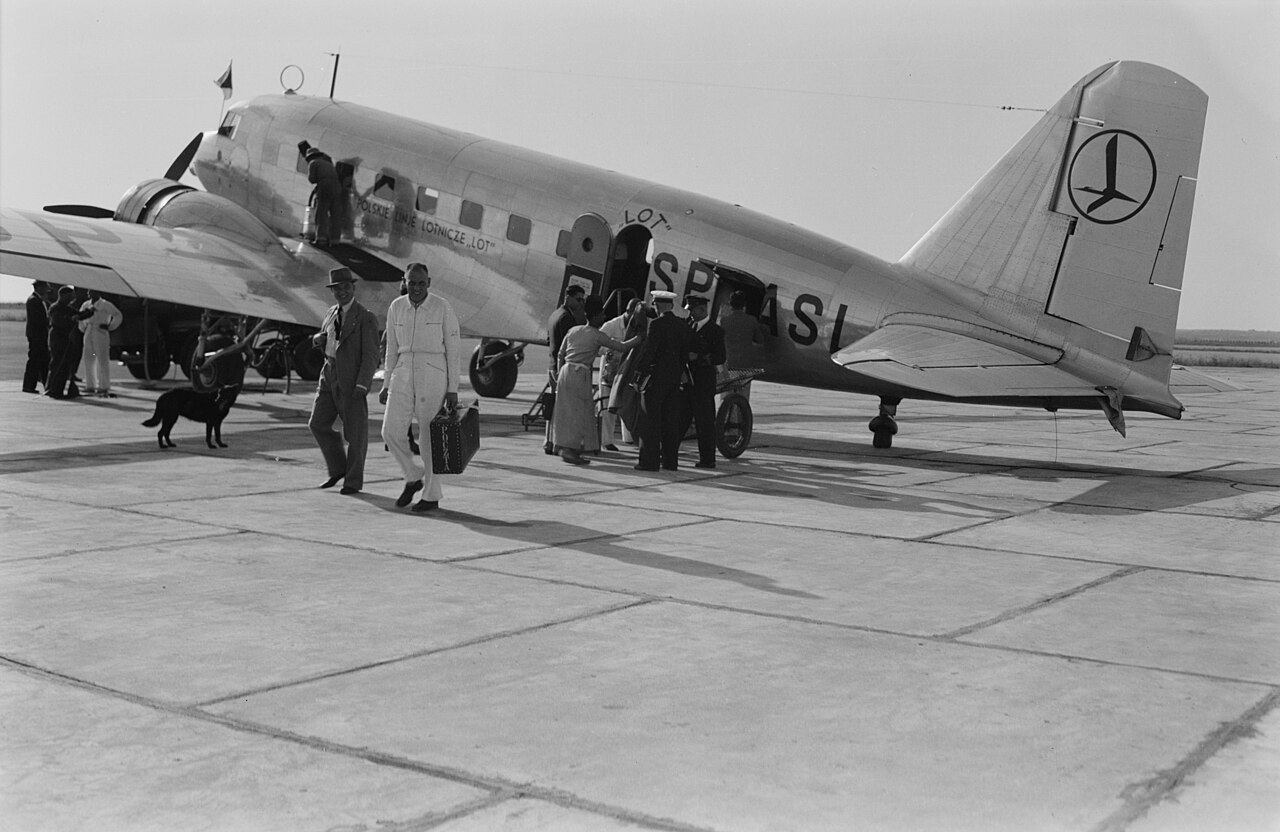
Introduced in 1934, the DC-2 was one of the most advanced airliners of its era. With its all-metal construction, retractable landing gear, powerful radial engines and comfortable passenger cabin, it represented a huge leap forward from the biplanes and early airliners then in service. Although it would soon be overshadowed by the larger and more capable DC-3, the DC-2 laid the foundations for one of the most successful aircraft families in aviation history.
The Aircraft That Beat The Boeing 247

The origins of the DC-2 can be traced to a challenge posed by Boeing’s revolutionary Model 247.
When Boeing reserved production of the 247 for its affiliated United Airlines, rival carrier Transcontinental & Western Air (TWA) sought an alternative. Douglas Aircraft Company responded by developing the DC-1 prototype, which first flew in 1933.
The design proved so successful that it was quickly refined into the production DC-2. Seating 14 passengers and offering excellent performance for the period, the aircraft entered service with TWA in May 1934.
A total of 198 DC-2s were built, making it one of the most important commercial aircraft of the pre-war era.
Paving The Way For The DC-3

While the DC-2 was a success, airlines soon wanted greater capacity and improved passenger comfort.
American Airlines approached Douglas seeking a sleeper version suitable for overnight routes. The resulting Douglas Sleeper Transport (DST) featured a wider fuselage and additional capacity. From this design emerged the legendary DC-3.
Although the DC-3 would become the aircraft that truly transformed airline economics, much of its success came from lessons learned through the operation of the DC-2. Without the earlier aircraft proving the concept, the DC-3 might never have existed.
For this reason, many aviation historians regard the DC-2 as one of the most significant airliners ever built.
Who Flew The Douglas DC-2?
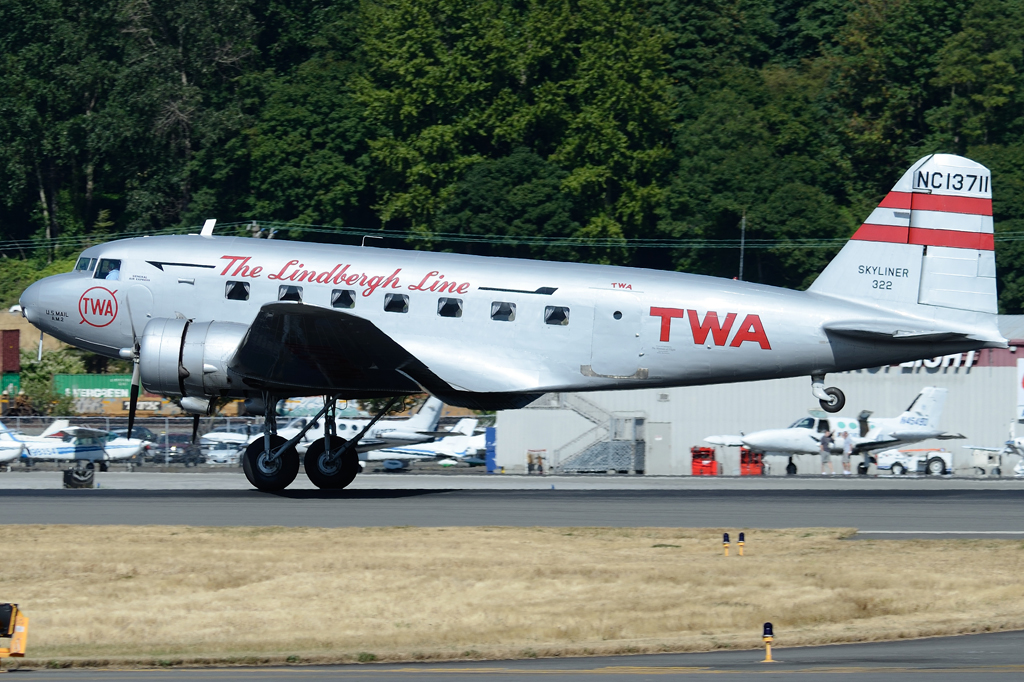
The DC-2 quickly found customers around the world and became one of the first truly international airliner designs.
Among the most significant operators were:
Trans World Airlines (TWA)
TWA was the launch customer and eventually became the world’s largest DC-2 operator, flying 31 examples. The airline used the aircraft extensively across its domestic US network before replacing them with DC-3s.
KLM
The Dutch national carrier became the largest operator outside the United States, flying 19 aircraft. KLM’s DC-2s operated throughout Europe and on the airline’s pioneering long-distance services to the Dutch East Indies.
One aircraft, Uiver, became famous after competing in the 1934 MacRobertson Air Race between England and Australia, demonstrating the capabilities of modern airliners.
American Airlines
American operated 16 DC-2s before becoming one of the driving forces behind development of the larger DC-3.
Eastern Air Lines
Eastern used 14 DC-2s during the late 1930s, helping modernise its domestic route network.
Pan American Airways
Pan Am operated nine aircraft on services throughout the Americas before moving to larger types.
Swissair, LOT, Lufthansa and Others
Across Europe, airlines including Swissair, LOT Polish Airlines and Lufthansa adopted the type as they modernised their fleets during the 1930s.
The aircraft also found homes with operators in Australia, China, Japan, the Dutch East Indies, Mexico, South America and elsewhere, giving it a truly global presence.
Military Service
Like many airliners of the period, numerous DC-2s were impressed into military service during the Second World War.
The aircraft served with several air forces and military transport organisations, carrying personnel, supplies and equipment. Many survived the war and subsequently returned to civil use, helping extend the type’s operational life well into the post-war years.
Surviving Douglas DC-2s
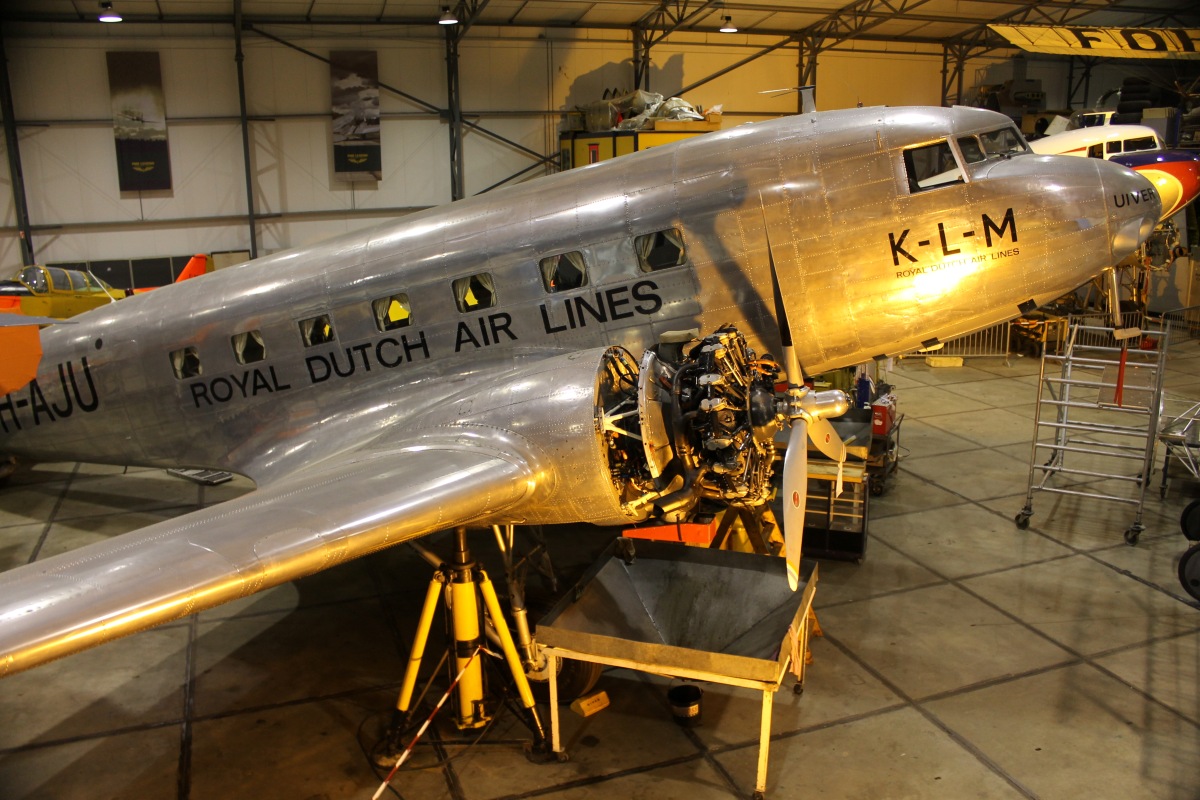
Despite its historical significance, only a handful of DC-2s survive today.
Several examples can be found in museum collections around the world, including aircraft preserved in the Netherlands, Australia and the United States.
Most remarkable of all is the sole surviving airworthy DC-2. Registered N1934D, this aircraft flies from Seattle’s Boeing Field and is painted in the colours of TWA, honouring the airline that introduced the type into service. The aircraft regularly appears at airshows and aviation events, offering enthusiasts a rare opportunity to see and hear one of the world’s oldest operational airliners.
Love Classic Airliners? Join Airport Spotting Premium
If articles like this about the Douglas DC-2, DC-3 and other pioneering airliners are your thing, why not take a look at Airport Spotting Premium Membership?
Our Premium members receive exclusive aviation content every month, including downloadable magazines, in-depth aircraft histories, airline fleet features, spotting guides and special research reports that aren’t available on the main website.
Recently, members received our popular Propliner Special magazine, packed with articles on many of the classic piston-engined airliners that helped shape commercial aviation. From the Douglas DC-2 and DC-3 to aircraft such as the Lockheed Constellation, Vickers Viscount and Convair airliners, it celebrated the golden age of airline travel and the aircraft that enthusiasts still cherish today.
Premium members also gain access to our growing archive of back issues and specialist aviation resources, covering everything from historic airliners and lost airlines to modern fleet developments and plane spotting opportunities around the world.
If you’re passionate about aviation history, classic aircraft and discovering stories beyond the headlines, Airport Spotting Premium is designed especially for enthusiasts like you.
Find out more and join today at AirportSpotting Premium


2 comments
Nice article. Not mentioned however is Finland, which has two preserved DC-2’s. One complete in Tikkakoski, and a fuselage in the Finnish Aviation Museum on Helsinki Airport.
Other European users of the DC-2 were CLS,a czech airline and LAPE of Spain. The DC-2’s used by Lufthansa were examples from KLM and the Czech airline CLS after the German occupation of these countries
We are fortunate here in Australia, as we have two DC-2s, one at Albury airport , ex RAAF A30-11, that was on a pole for many years and now back in the hangar for refurbishing. The second one is at the Moorabbin airport aviation museum and is ex RAAF A30-9 and painted as PH-AJU.
In Feb 1984 PH-AJU completed a re enactment of the 1934 UK-AUS air race and I was able to have a look through it at Melbourne Essendon airport.
ANA airlines operated 6 DC-2s from 1936 to 1948 based in Melbourne .