

Summary
Air Astana has taken a significant step forward in modernising its commercial fleet with the finalisation of an order for 25 Airbus A320neo family aircraft. Announced in March 2026, the agreement cements the airline’s long-term strategy of efficiency, network expansion and passenger comfort.
The 25-Aircraft Order: What’s Been Finalised?
Air Astana’s firm order with Airbus comprises:
-
A mix of A320neo and A321neo aircraft, optimising capacity along both high-frequency and longer thin routes
-
Sustainable technology with fuel-saving engines and Sharklets, supporting cost and emissions reductions
-
A strategic tool to replace older jets and support network growth
According to Airbus, these aircraft will deliver significant operational efficiencies while enabling Air Astana to open or expand routes across Asia, Europe and the Middle East.
The deal builds on Air Astana’s existing narrowbody fleet and reflects a broader trend of airlines investing in neo family jets to boost capacity while keeping operating costs in check.
Air Astana’s Current Fleet: A Balanced Mix
Air Astana’s current fleet is a blend of Airbus and Boeing types, which allows the airline to match aircraft size and range with route demand:
Narrowbody Aircraft (Short- and Medium-Haul)
-
Airbus A320-200 and A321-200: The backbone of the airline’s domestic and regional network
-
A320neo family (including existing neo and A321neo aircraft): Increasingly important for efficiency and range
Widebody Aircraft (Long-Haul)
-
Boeing 767-300ER: The airline’s long-haul workhorse, flying to destinations in Europe and Asia
In recent years, Air Astana has prioritised fleet renewal and standardisation, with the neo family complementing its existing Airbus narrowbodies and boosting operational flexibility.
What This Order Means Strategically
The 25 neo aircraft are more than just replacements — they are tools that give the airline greater reach and lower operating costs. The larger A321neo variants offer extended range and extra seating, ideal for:
-
Medium-haul routes in Central Asia and the Gulf region
-
High-demand connections to Europe
-
Potentially longer thin routes where a narrowbody’s efficiency outweighs deploying a widebody
Spotters should watch for planned schedules and delivery timetables as Air Astana integrates these jets into its operations — especially on new or expanding sectors.
FlyArystan: The Low-Cost Sister’s Fleet Context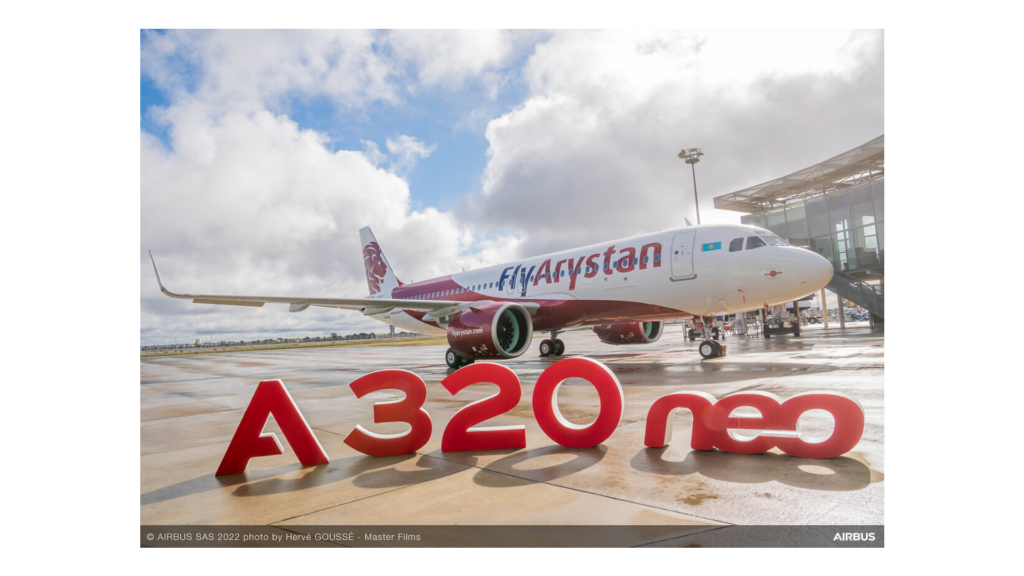
Air Astana isn’t the only airline under the Astana Aviation Group. Its low-cost subsidiary, FlyArystan, has rapidly become one of the most dynamic budget carriers in the region.
FlyArystan’s Current Setup
-
Operates a single-aircraft type fleet focused on Airbus A320 family jets
-
Strong domestic market presence
-
Growing network that now includes international leisure destinations
FlyArystan’s success underscores the flexibility of Airbus narrowbodies in serving point-to-point markets with competitive economics, and its fleet approach likely influenced Air Astana’s neo choices.
By sharing a common aircraft type between the two airlines, the group benefits from streamlined pilot training, maintenance and parts logistics — a classic advantage in multi-brand airline groups.



2 comments
Air Astana has also ordered B787s
[…] Source: https://www.airportspotting.com/air-astana-finalises-order-for-25-airbus-a320neo-family-aircraft-2/ […]