
Summary
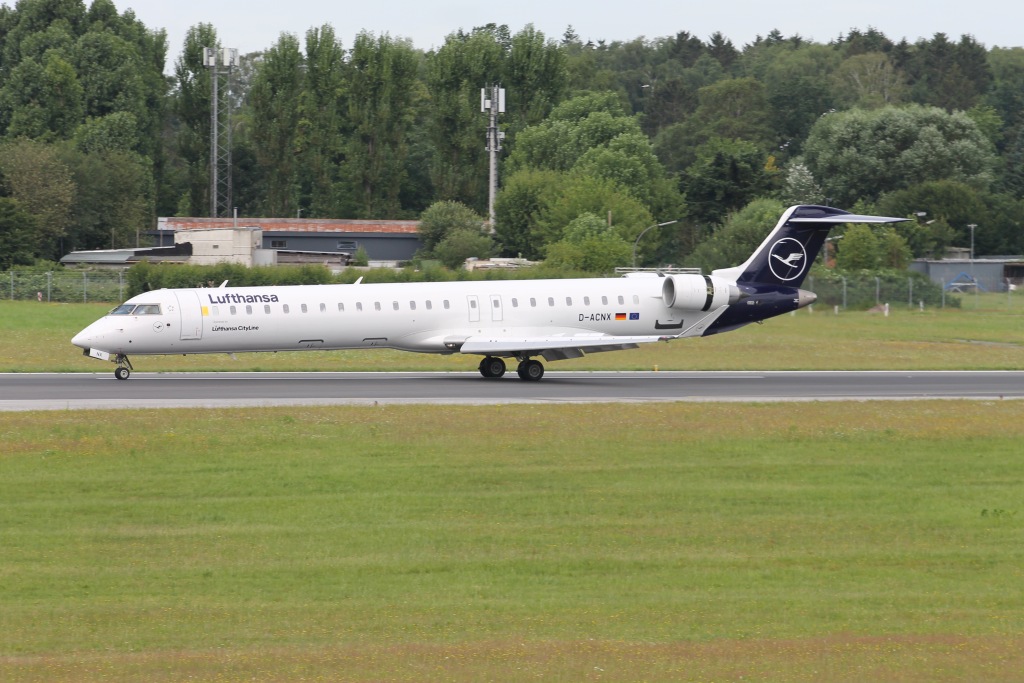
In a major development for European aviation, the Lufthansa Group has announced the immediate shutdown of its long-standing regional subsidiary, Lufthansa CityLine.
The move comes as part of a broader cost-cutting and restructuring strategy, with the airline group citing rising fuel costs, labour disputes, and ongoing financial pressures as key drivers behind the decision.
A Permanent Closure – Not a Temporary Suspension
Despite some early confusion, Lufthansa has made it clear that this is a permanent shutdown, not a temporary suspension.
According to the airline’s official strategy update, all 27 Bombardier CRJ aircraft operated by CityLine will be “permanently removed from the flight program” within days of the announcement.
This effectively ends decades of operations for the regional carrier, which has long been a key part of Lufthansa’s European feeder network.
Reports confirm that operations will cease almost immediately, with the fleet grounded and flights withdrawn from schedules.
While the closure had previously been planned for later in the decade, the current economic environment has accelerated the timeline significantly.
Why Lufthansa Is Closing CityLine
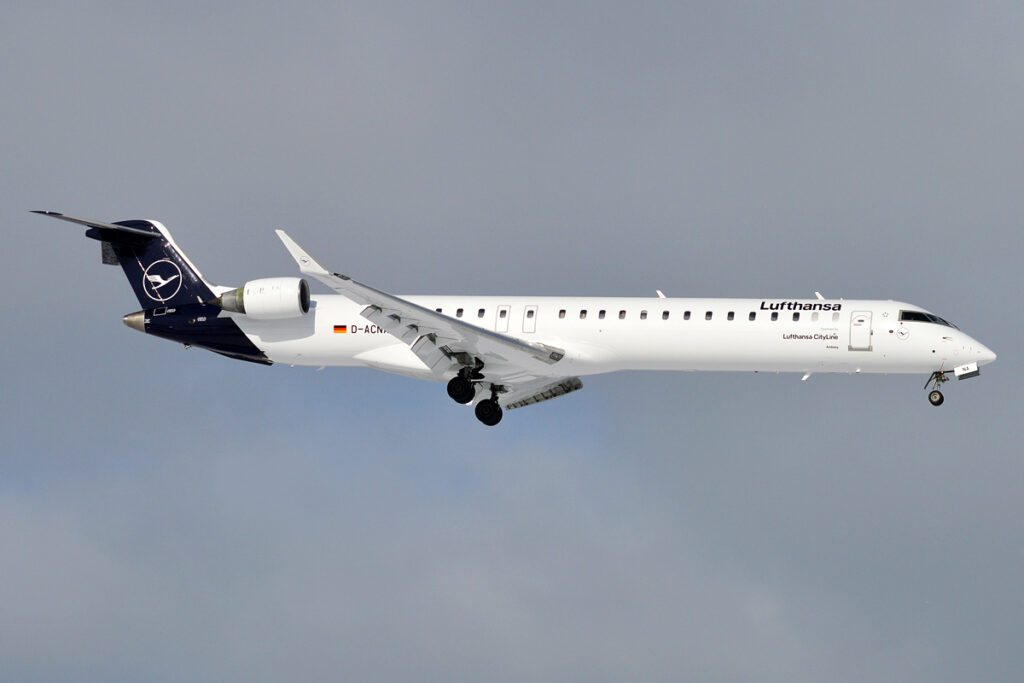
Anna Zvereva from Tallinn, Estonia, CC BY-SA 2.0 <https://creativecommons.org/licenses/by-sa/2.0>, via Wikimedia Commons
The decision reflects a combination of short-term pressures and long-term strategic planning.
1. Rising Fuel Costs
A surge in global jet fuel prices—linked to geopolitical tensions—has significantly increased operating costs across the industry.
CityLine’s fleet of Canadair CRJ900 regional jets has been particularly affected, with Lufthansa noting that these aircraft are relatively inefficient and nearing the end of their operational life.
2. Labour Disputes and Strikes
Ongoing industrial action across the Lufthansa Group has disrupted operations and added further financial strain.
3. Structural Changes Within the Group
The closure also aligns with Lufthansa’s longer-term strategy to streamline its regional operations and reduce complexity.
CityLine had already been earmarked for eventual closure, with operations set to be replaced by a newer, more cost-efficient structure.
What Happens to CityLine’s Network?
For aviation enthusiasts, one of the key questions is how Lufthansa will replace CityLine’s extensive European network.
CityLine operated a dense schedule of short-haul flights feeding Lufthansa’s major hubs at Frankfurt and Munich, serving dozens of destinations across Europe.
Replacement Within the Lufthansa Group
Rather than abandoning these routes, Lufthansa will absorb and redistribute the network internally:
- Lufthansa mainline will take over some routes
- Air Dolomiti and other regional partners may expand operations
- The newer Lufthansa City Airlines subsidiary is expected to play a major role going forward
This transition has already been in progress, with Lufthansa shifting aircraft and routes away from CityLine in recent years.
Capacity Reductions
However, the restructuring is not a simple one-for-one replacement.
Lufthansa has confirmed that it is reducing overall capacity, both short-haul and long-haul, as part of its wider cost-cutting measures.
This means some marginal or lower-demand routes could see reduced frequencies—or disappear entirely.
What Happens to the Aircraft and Staff?
CityLine’s fleet of 27 Bombardier CRJ900 aircraft will be withdrawn from service, marking the end of Lufthansa’s use of this type within the subsidiary.
As for employees, Lufthansa has indicated that:
- Staff will be offered opportunities within other parts of the group
- Discussions around redeployment and restructuring are underway
This mirrors previous Lufthansa restructuring efforts, where operations were shifted rather than entirely eliminated.
A Wider Lufthansa Restructuring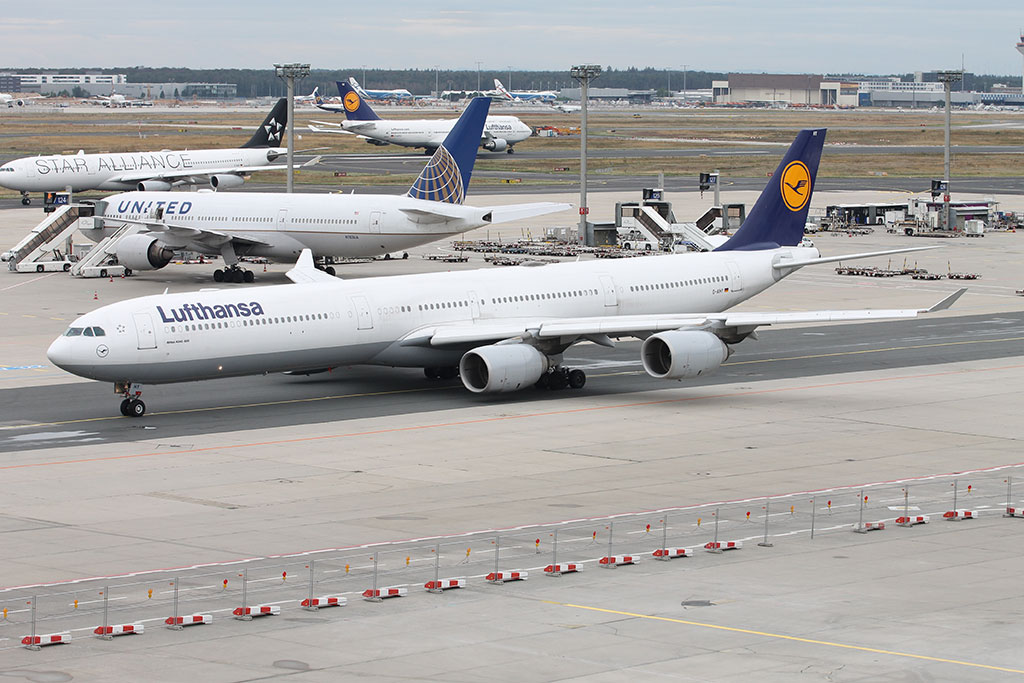
The closure of CityLine is just one part of a broader strategy shift.
At the same time, Lufthansa has announced:
- The retirement of its remaining Airbus A340-600 aircraft
- The grounding of selected Boeing 747-400s
- A general reduction in capacity across the network
All of these moves are aimed at improving efficiency and reducing costs in a challenging operating environment.
What It Means for Spotters
For plane spotters, the disappearance of Lufthansa CityLine marks the end of a familiar sight across Europe.
The CRJ900 fleet, a staple at airports such as Frankfurt and Munich, will vanish from schedules almost overnight. In its place, expect to see:
- More Airbus A320-family aircraft on short-haul routes
- Increased activity from Lufthansa City Airlines and partner carriers
- Continued evolution of Lufthansa’s hub operations
While the loss of CityLine is significant, it also signals a new phase for the Lufthansa Group—one that will reshape the airline’s network and fleet for years to come.

