

Summary
The Airbus A321neo has quietly become one of the most important aircraft in global aviation. As the stretched, more efficient member of the A320neo family, the A321neo offers airlines a compelling blend of capacity, range and fuel efficiency — making it the backbone of many low-cost, legacy and hybrid carriers worldwide.
Launched into service in 2017 and now well into production, the A321neo has reshaped short-to-medium-haul flying around the world. In 2025, more than 1,750 A321neos are in active service with nearly 90 operators, and many airlines are placing large follow-on orders to expand or renew their fleets.
But which carriers operate the largest A321neo fleets today? Here’s a look at the biggest operators — and why the type matters so much.
1. IndiGo — The World’s Largest A321neo Operator
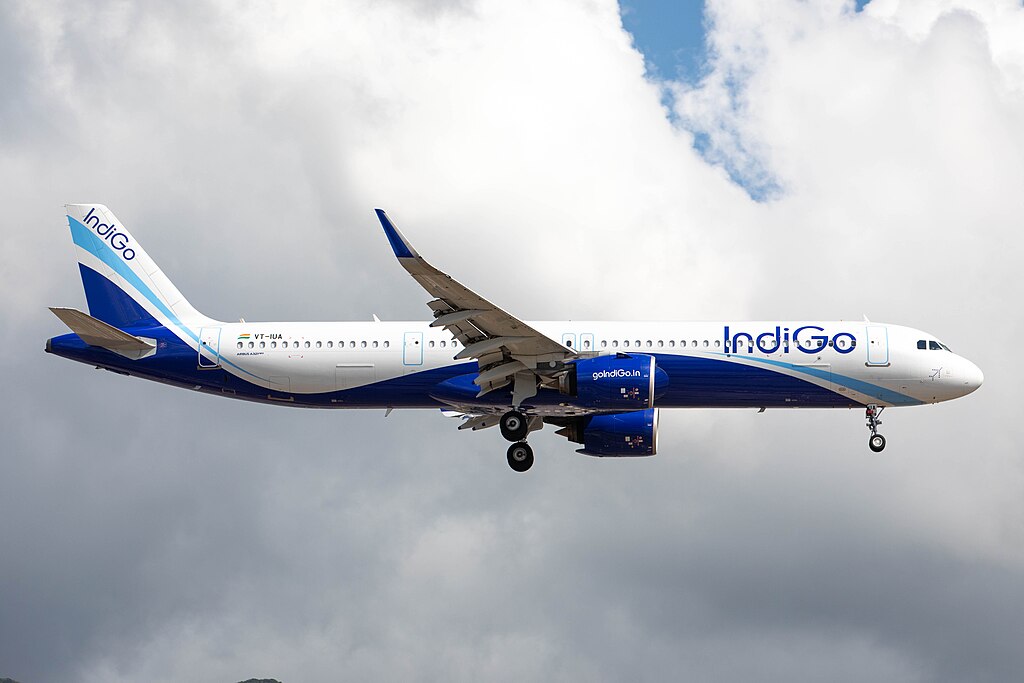
km30192002, CC BY 2.0 <https://creativecommons.org/licenses/by/2.0>, via Wikimedia Commons
At the top of the list is IndiGo, India’s dominant low-cost carrier and the world’s largest operator of A321neo aircraft. It has almost 160 A321neos in service and 558 on order! Over the past few years, IndiGo has deployed the type across its booming domestic and international network, helping unify capacity while driving down unit costs.
Aircraft with IndiGo often serve high-frequency routes across South Asia and beyond, including key sectors where the extra range and seats of the A321neo unlock profit-enhancing opportunities. The airline’s A321neo count outstrips that of any other operator — a remarkable achievement given the global competition for the type.
2. Wizz Air Group — Europe’s A321neo Giant
Close behind is Wizz Air, the Hungarian-based ultra-low-cost carrier that has bet big on the A321neo as the backbone of its fleet. With around 170 in service and hundreds of A321neos on order, and plans for even larger totals in the years ahead, Wizz is positioning itself as one of the biggest single-operator families of the type in Europe.
Wizz’s strategy — concentrate on a single, highly efficient variant — helps the airline keep operating costs low while serving an expanding network from its Central and Eastern European bases.
3. American Airlines — North America’s Leader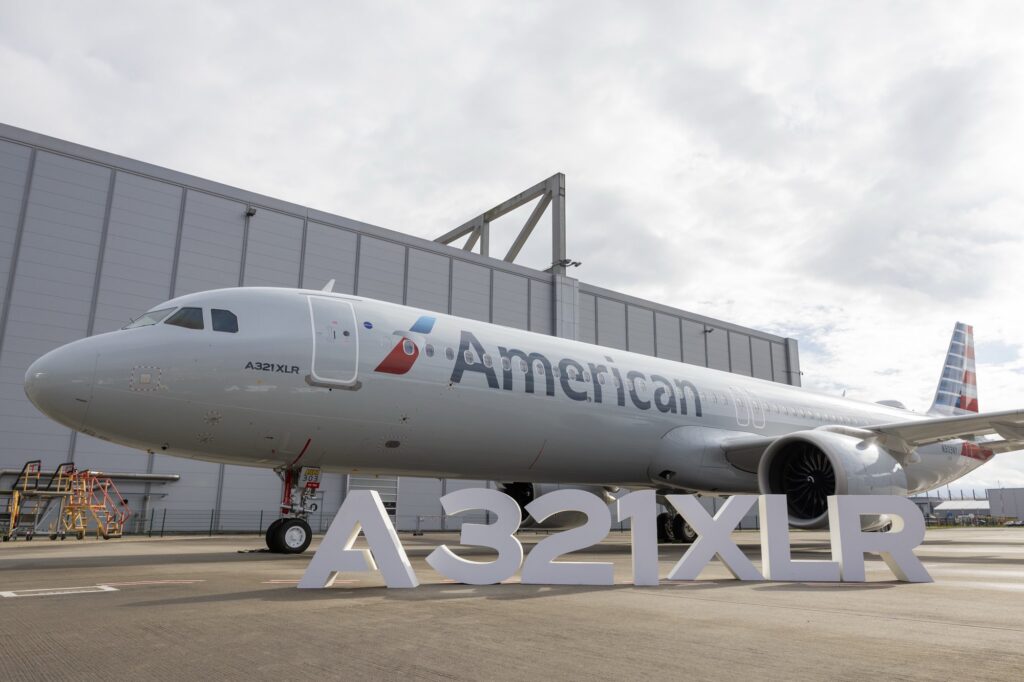
In the United States, American Airlines operates one of the largest A321neo fleets globally, comprising around 90 examples with the same again on order, deploying the type across both domestic and transcontinental routes. Its A321neos link major hubs like New York, Miami, Los Angeles and Dallas/Fort Worth, and even serve select longer sectors where their range and seating configuration shine.
American’s strong commitment to the A321neo and XLR variant is also reflected in its large backlog of additional aircraft, underlining the type’s strategic importance to its fleet renewal plans.
4. China Southern Airlines — Asia’s Big Operator
Among Asian carriers, China Southern Airlines stands out as one of the largest operators of the A321neo. With 90 of the type in active service, China Southern uses the jet extensively across its vast domestic network, as well as on many regional international routes.
The airline’s A321neos typically operate high-density sectors within China and to neighbouring countries — helping China Southern manage peak demand at major hubs such as Guangzhou and Beijing.
5. Delta Air Lines — A321neo Power in the U.S.
Delta Air Lines has also become a major operator of the A321neo, sitting among the top five globally (85 in service, 70 on order). In 2025, Delta’s A321neo fleet plays a central role in its domestic operations, flying high-frequency routes between cities like Atlanta, Detroit, Minneapolis and Seattle.
With more aircraft on order, Delta’s airframes will continue to support its strategy of replacing older jets with more efficient models — reducing fuel burn and emissions while maintaining schedule flexibility.
Honourable Mentions: Growing Fleets Around the World
Turkish Airlines
A significant operator in Europe and the Middle East, Turkish Airlines has steadily grown its A321neo fleet to support an expansive regional network from Istanbul. It has 58 in service and 190 on order!
United Airlines
While not at the very top yet, United is building out a substantial A321neo presence as part of its broader narrowbody fleet strategy, often deploying them on domestic transcontinental flights and select international markets.
Spirit Airlines / Vietjet / Others
Budget airlines like Spirit (U.S.) and Vietjet (Vietnam) are also expanding their A321neo fleets significantly, with large backlogs signalling future growth. For example, Vietjet’s recent conversion of a big order into firm commitments strengthens its long-term network expansion plans.
Why the A321neo Has Become So Essential?
So why has the A321neo become such a dominant aircraft?
- Fuel efficiency: Around 20% lower fuel burn per seat than previous models, thanks to new engines and improved aerodynamics.
- Strong range and capacity: A typical twin-class A321neo seats 180–220 passengers, with up to 244 seats in high-density configurations — perfect for both low-cost and full-service carriers.
- Network flexibility: The A321neo and its long-range siblings (such as the A321LR and A321XLR) can fly both high-demand short sectors and thin long-haul markets previously out of reach for single-aisle jets.
- Commonality with the broader A320neo family simplifies training and maintenance — making it a cost-effective choice as airlines streamline fleets.
Looking Ahead
The A321neo’s popularity shows no sign of slowing. With huge backlogs of aircraft on order worldwide and new operators entering the fold, 2025 could be another record year for this versatile jet. Airlines from the U.S. to Europe, Asia to the Middle East are choosing the type — and future variants like the A321XLR promise to stretch its reach even further.
For spotters and route-watchers alike, the A321neo now defines the landscape of narrow-body long-range travel — and its footprint is bound to grow.
Title image: Kwok Ho Eddie Wong

