
Summary
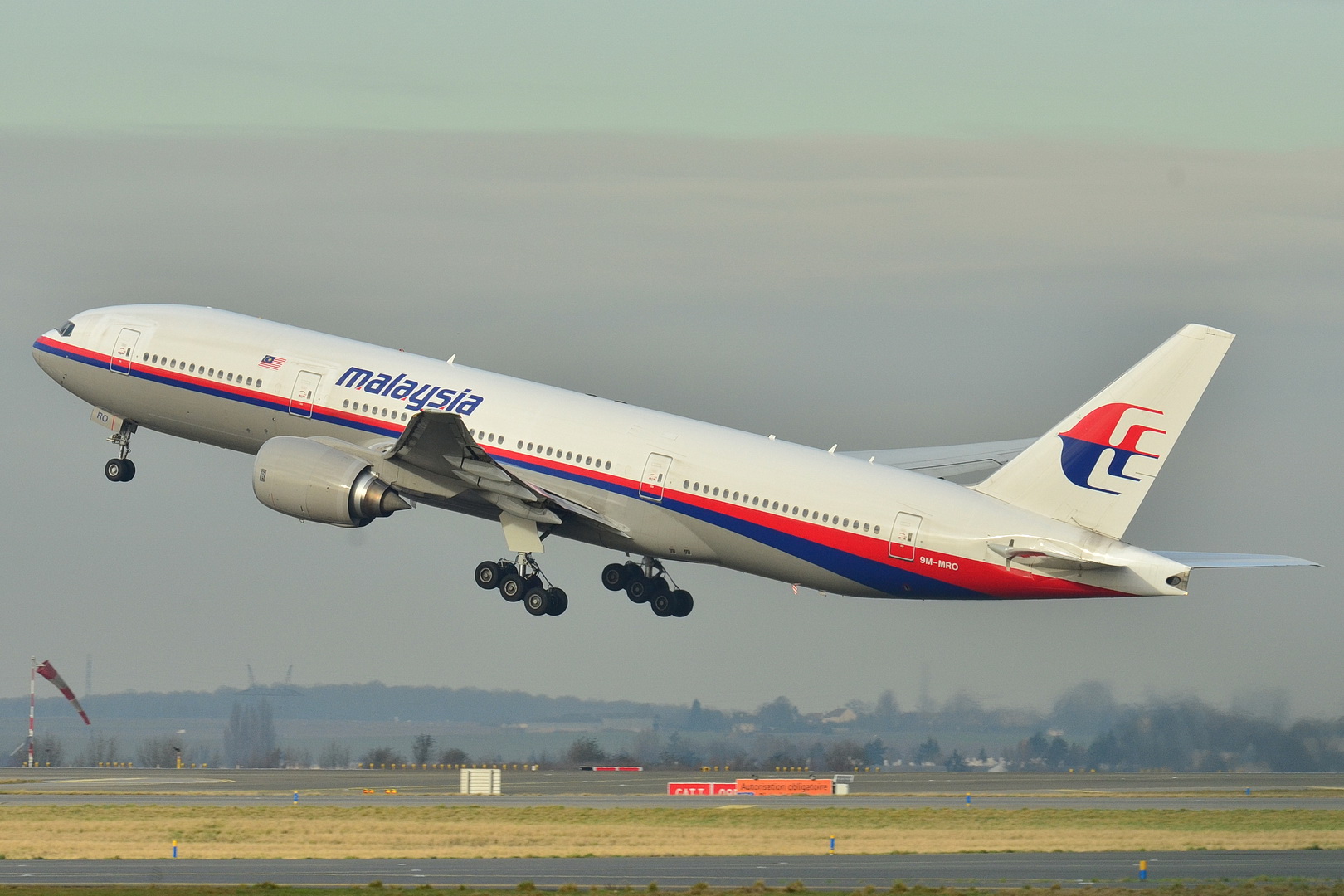
On 8 March 2014, a routine overnight flight turned into one of aviation’s greatest mysteries. Malaysia Airlines Flight MH370, operated by a Boeing 777-200ER, departed Kuala Lumpur bound for Beijing with 239 people on board.
Less than an hour into the flight, the aircraft vanished.
After a routine handoff from Malaysian to Vietnamese air traffic control, MH370’s transponder was switched off. Military radar later showed the aircraft turning sharply back across the Malay Peninsula before heading out over the Andaman Sea—and then into the vast emptiness of the southern Indian Ocean.
No distress call. No confirmed wreckage. Just silence.
What Do We Know About the Flight Path?
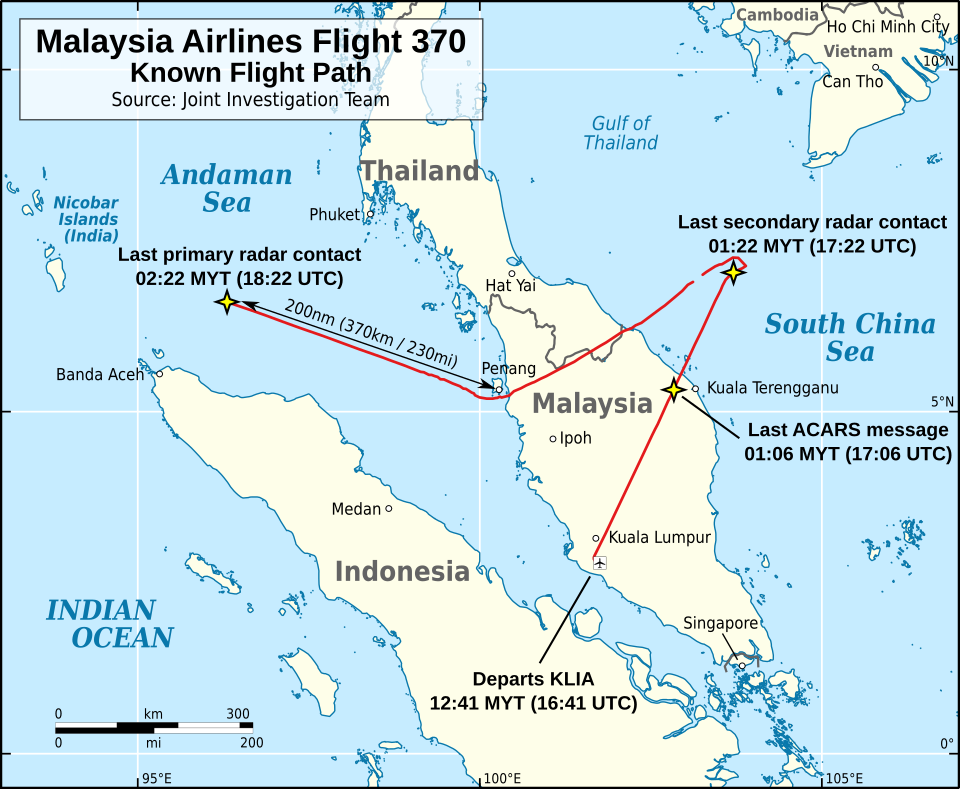
Despite the disappearance, investigators were able to piece together a likely route using satellite data from Inmarsat.
These “handshakes” between the aircraft and satellite revealed that MH370 continued flying for around six to seven hours after losing contact, ultimately heading deep into the southern Indian Ocean.
The data produced two possible corridors—north and south—but analysis of Doppler shifts confirmed the aircraft most likely took the southern route, far from any diversion airports.
This pointed to a chilling conclusion: the aircraft flew on until it ran out of fuel.
The Search: The Largest in Aviation History
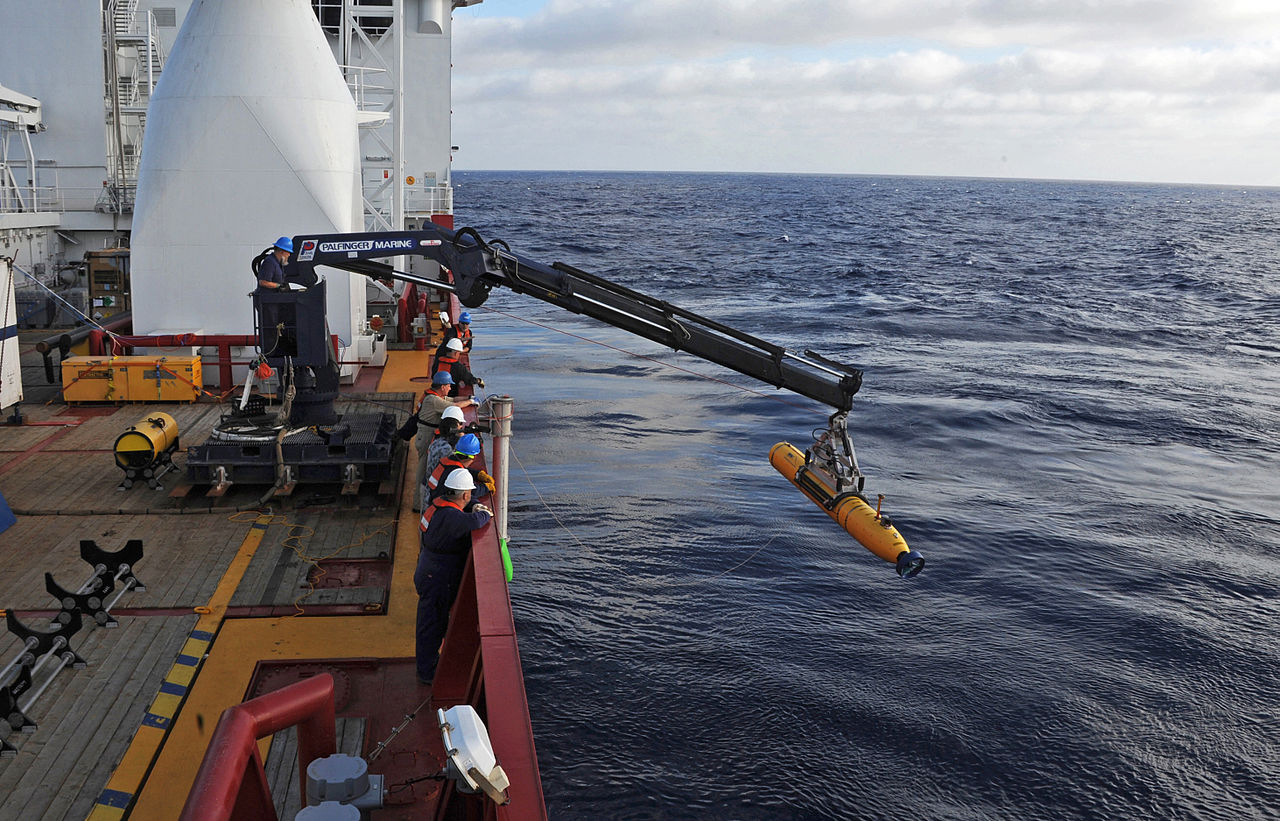
The search for MH370 became the most extensive—and expensive—in aviation history.
An international effort led by Australia focused on a remote stretch of ocean west of Perth. Over 120,000 square kilometres of seabed were scanned using advanced sonar technology.
Despite the scale of the operation, the main wreckage was never found.
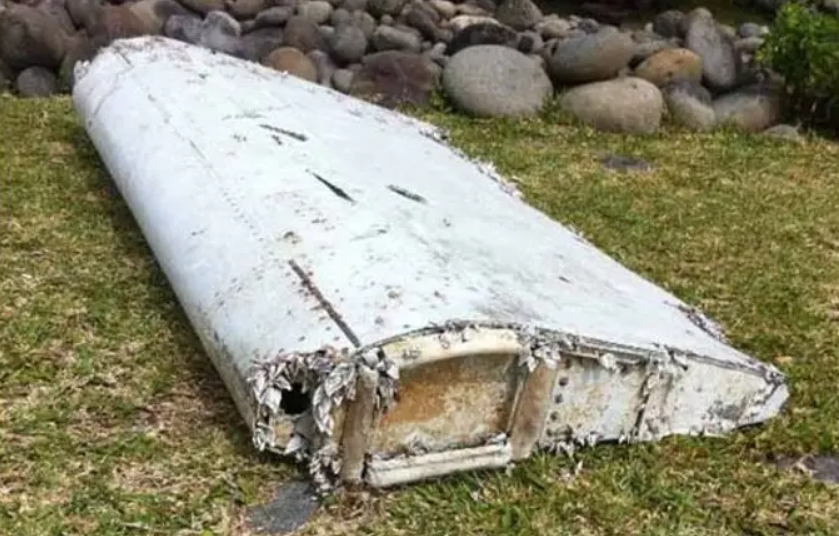
However, pieces of debris began appearing years later:
- A flaperon discovered on Réunion Island in 2015
- Additional fragments found along the coasts of Africa and islands in the Indian Ocean
These confirmed that MH370 did indeed end its journey in the ocean—but not precisely where.
Theories: What Could Have Happened?
With no wreckage field or flight recorders recovered, several theories remain under discussion:
1. Deliberate Action
One of the most widely debated theories is that someone in the cockpit—most likely the captain—deliberately diverted the aircraft. The complex route and disabling of communications suggest human intervention.
However, no definitive motive has ever been established.
2. Hypoxia or Ghost Flight
Another theory suggests a loss of cabin pressure incapacitated everyone on board. The aircraft then continued flying on autopilot until fuel exhaustion—a scenario similar to other “ghost flights” in aviation history.
3. Fire or System Failure
Some have proposed an onboard fire or electrical failure that knocked out communications and led to the diversion. However, this doesn’t fully explain the prolonged, controlled flight path.
4. Hijacking or External Interference
While initially considered, there is little supporting evidence for hijacking or third-party involvement.
Renewed Searches and New Leads

In recent years, efforts to locate MH370 have been revived.
Private marine robotics company Ocean Infinity conducted a renewed search in 2018 using autonomous underwater vehicles. Although unsuccessful, it demonstrated how far technology had advanced since the initial effort.
More recently, improved drift modelling and analysis of debris locations have suggested new, more refined search zones—slightly north of the original search area.
As of the latest developments, there have been ongoing discussions about launching another targeted search, again likely led by Ocean Infinity under a “no find, no fee” arrangement.
Why MH370 Still Matters
MH370 remains one of aviation’s greatest unsolved mysteries—not just because of its scale, but because modern aviation is designed to prevent exactly this kind of disappearance.
For aviation enthusiasts, it represents a rare and unsettling gap in an otherwise highly traceable system. For investigators and families, it is an ongoing quest for answers.
More than a decade on, the key to solving the mystery still lies somewhere beneath the Indian Ocean.
If you’re fascinated by aviation mysteries and historic airliner stories like this, check out more deep dives and aircraft histories on Airport Spotting—and share your thoughts: What do you think really happened to MH370?


3 comments
[…] Source: https://www.airportspotting.com/what-happened-to-mh370-heres-the-latest/ […]
The MH 370/ 9M-MRO search was all based out of here in Perth, with six different air forces involved, mainly based at nearby RAAF Pearce. The Chinese Air Force IL-76 aircraft were based at Perth International airport and so it was a media frenzy for a long period of time. There was a flotilla of Chinese naval ships also involved.
The ”general” and seemed to be ”most likely” opinion, was the commander deliberately turned the aircraft round and headed into the Indian Ocean. 9M-MRO was a very regular PER visitor.
I did a flight for Air Mauritius the following night and was asked to look for signs of any debris floating in the see as soon as it got light which was a futile exercise , my best guess is the captains home computer had recorded the the future tragic flight path. Especially since parts showed up on the beach on Reunion Island , and later in Africa. The other theory that smoke in the cockpit caused the Captain to turn the plane south and the passed out , either due to smoke inhalation or hypoxia left the plane heading south with the crew being incapacitated . Until it finally ran out of fuel with all souls onboard already dead . A very sad senario but possible.