
Summary
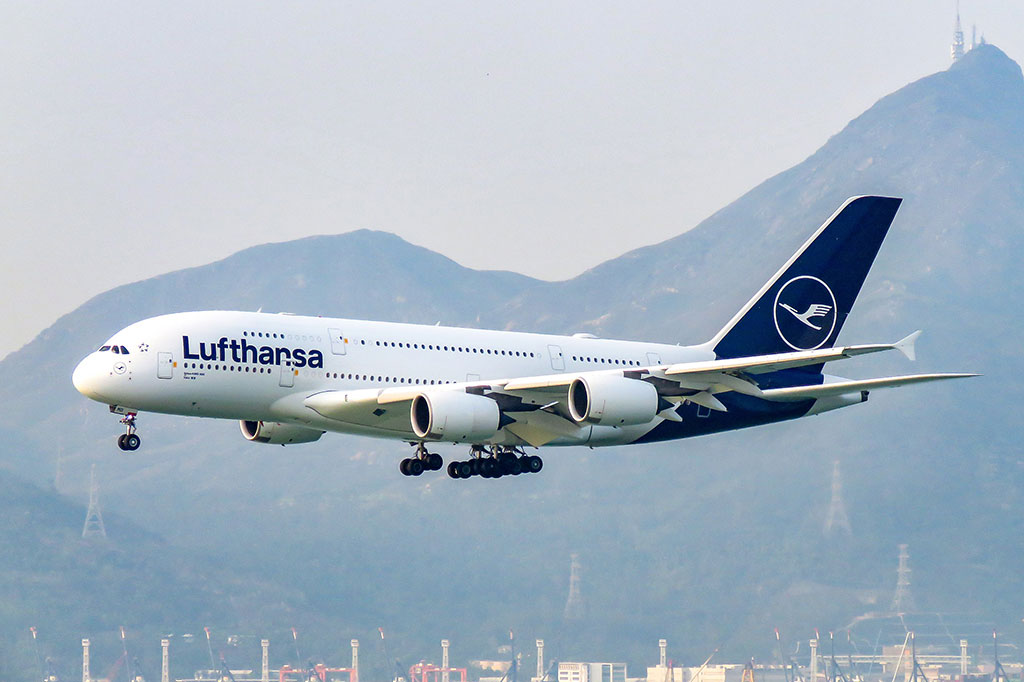
Once nearly ubiquitous at major hubs, the A380 has become something of a luxury — and for many airlines, including Lufthansa, a specialist tool for high-demand long-haul routes. But even in 2025, Lufthansa’s superjumbo remains alive and kicking. Here’s where to catch one this winter, and what’s behind the decisions that keep the type flying.
A Brief Reset — Why the A380 Is Now Mostly Based in Munich
After a long pause during the pandemic, Lufthansa has reactivated its full fleet of eight A380-800 aircraft, basing them all at its Munich (MUC) hub.
That consolidation means regular Frankfurt A380 operations are rare these days — but from Munich, the A380 continues to serve some of Lufthansa’s most important and high-capacity long-haul routes.
It’s a strategy that recognises what the A380 does best: move a lot of people comfortably on demand-heavy international flights, especially when demand spikes or during peak holiday periods.
Where the A380 Flies This Winter (2025/26)
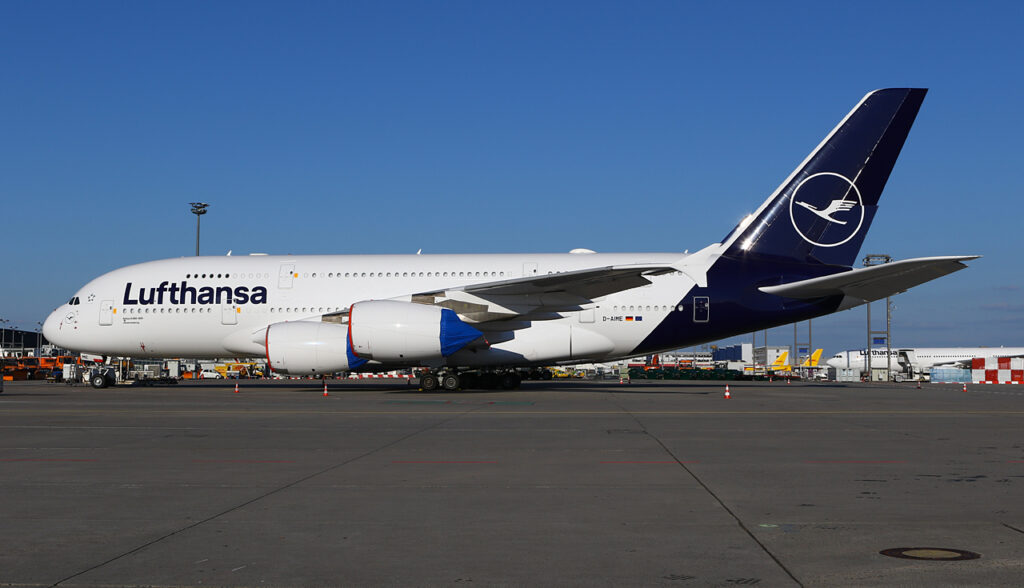
Photo (c) Erik Ritterbach.
From Munich, Lufthansa’s A380 is scheduled to fly to a small but global spread of destinations — giving long-haul travellers and spotters a good set of options this winter.
Here are the most important routes you can book or spot:
-
Munich (MUC) → Bangkok (BKK) — The A380 will serve Thailand’s capital this winter, giving Southeast-Asia-bound travellers full-size superjumbo convenience.
-
Munich → New Delhi (DEL) — India remains a core long-haul route for Lufthansa, and the A380 helps carry good loads between Germany and New Delhi.
-
Munich → Los Angeles (LAX) — For those heading to the US west coast, the A380 continues to offer a high-capacity daily (or near-daily) link from Munich.
- Munich → San Francisco (SFO) – Another US west coast route, benefiting from the A380’s high capacity.
While Lufthansa’s earlier summer-peak routes to North America (such as New York, Boston or Denver) see variable A380 usage depending on demand and seasonality, the winter 2025/26 plan emphasises the routes above — reflecting consistent demand on Asia and high-demand transatlantic flights.
Why These Destinations — And Why Not More
Putting all A380s in Munich — rather than splitting them across Munich and Frankfurt — gives Lufthansa more flexibility in scheduling, maintenance and crew rotation.
It also reflects a shift in how the airline uses its assets: instead of deploying the A380 everywhere, the focus is now on key high-volume corridors where demand reliably supports a superjumbo.
Bangkok and New Delhi deliver strong traffic, often full of connecting and holiday travel, while Los Angeles remains one of the biggest destinations for European travellers seeking sun, business or family ties. The A380 becomes a workhorse on those dense, high-yield markets.
For spotters, that means a more predictable schedule and fewer surprise A380 swaps — making winter a great time to plan your chase list.
Lufthansa A380 Fleet
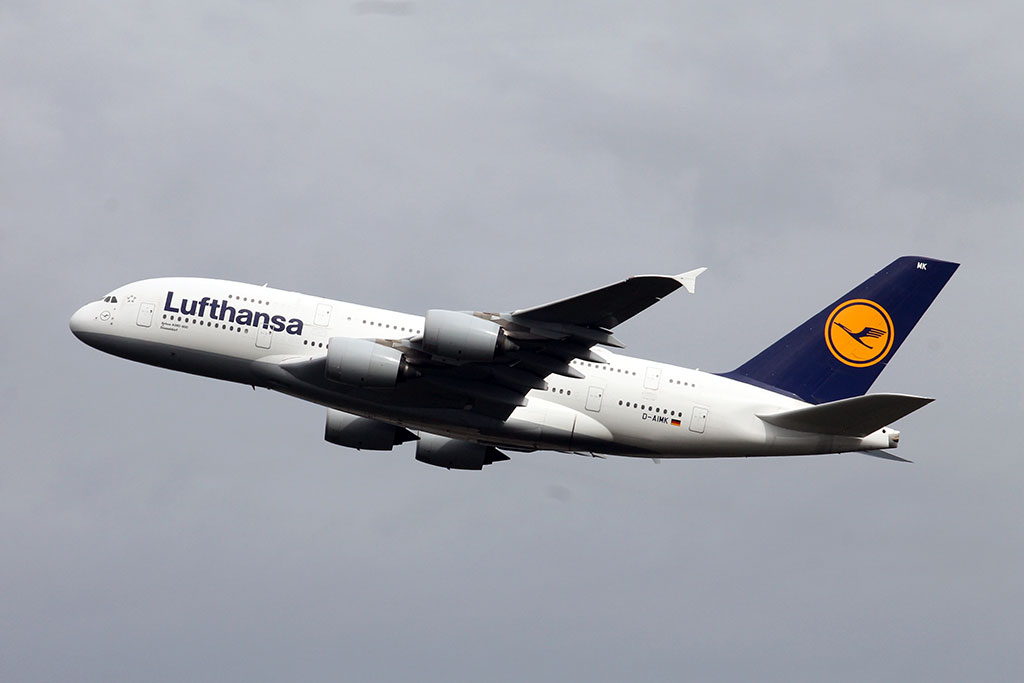
The age of every global airline running dozens of A380s may be over — but for Lufthansa, the superjumbo still has a role to play. From its winter base in Munich, the A380 continues to connect Europe with Asia and the US in grand style.
The current active Lufthansa A380 fleet includes:
- D-AIMA (38)
- D-AIMB (41)
- D-AIMC (44)
- D-AIMH (70)
- D-AIMK (146)
- D-AIML (149)
- D-AIMM (175)
- D-AIMN (177)
If you’re hoping to catch one this season, head to Munich — the A380’s current home — and aim for Bangkok, New Delhi or Los Angeles. For spotters and travellers alike: winter 2025/26 looks like a solid season to enjoy the world’s largest passenger jet in action.
Title image: N509FZ, distributed under a CC BY-SA 4.0 Licence



1 comment
[…] Source: https://www.airportspotting.com/where-you-can-fly-on-lufthansas-a380-this-winter/ […]