

Summary
The 2010s were a decade of dramatic change for commercial aviation. While new airlines emerged and fleets modernised, the same period also saw the collapse of many well-known carriers — some regional, some leisure-focused, and others once among the largest airlines in their home countries.
Rising fuel costs, intense low-cost competition, political intervention, and later the early effects of global instability all played a part. For aviation enthusiasts, the loss of these airlines meant not just grounded aircraft, but the disappearance of distinctive liveries, route networks and aircraft types.
Here are 10 airlines we lost in the 2010s, and the stories behind their rise and fall.
Monarch Airlines
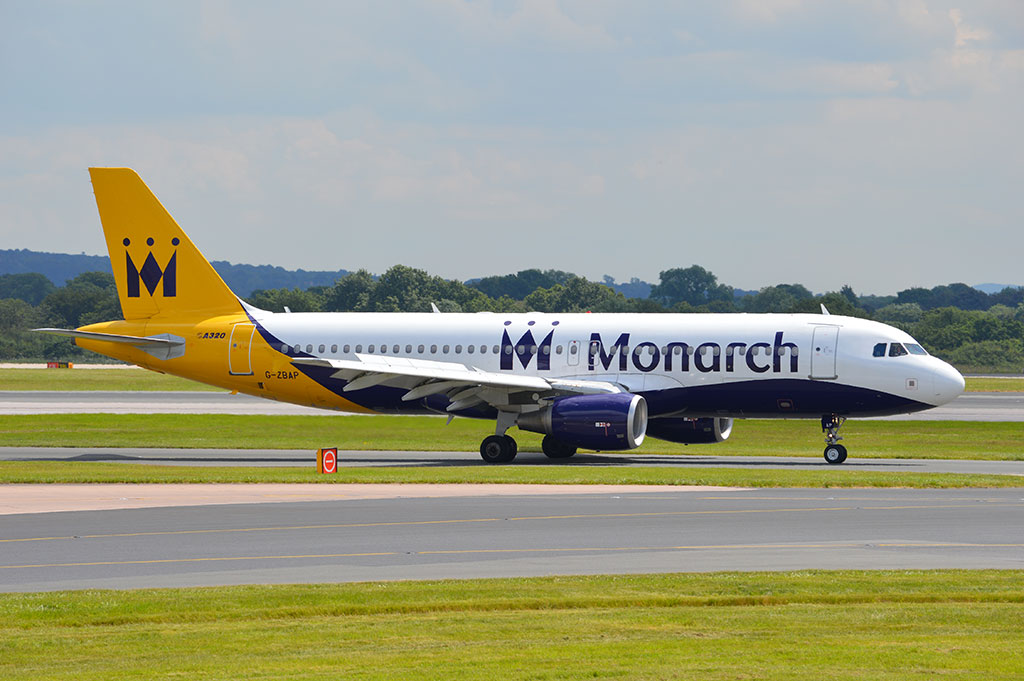
Airbus A320-200 G-ZBAP, one of two A320s acquired by Monarch during 2014. (Nigel Richardson)
Founded in 1968, Monarch Airlines grew into one of the UK’s most recognisable leisure carriers. Based primarily at London Luton, Gatwick and Manchester, Monarch served holiday destinations across Europe, North Africa and the Middle East.
Over the years, Monarch operated a wide range of aircraft including the Boeing 757, Airbus A320 family and earlier widebodies. Despite rebranding efforts and a shift toward low-cost operations, mounting debt and competitive pressure proved too much. The airline ceased operations abruptly in October 2017, stranding hundreds of thousands of passengers and marking the UK’s largest airline collapse at the time.
[Read: Monarch Airlines 1967-2017: Our Tribute]
Aigle Azur
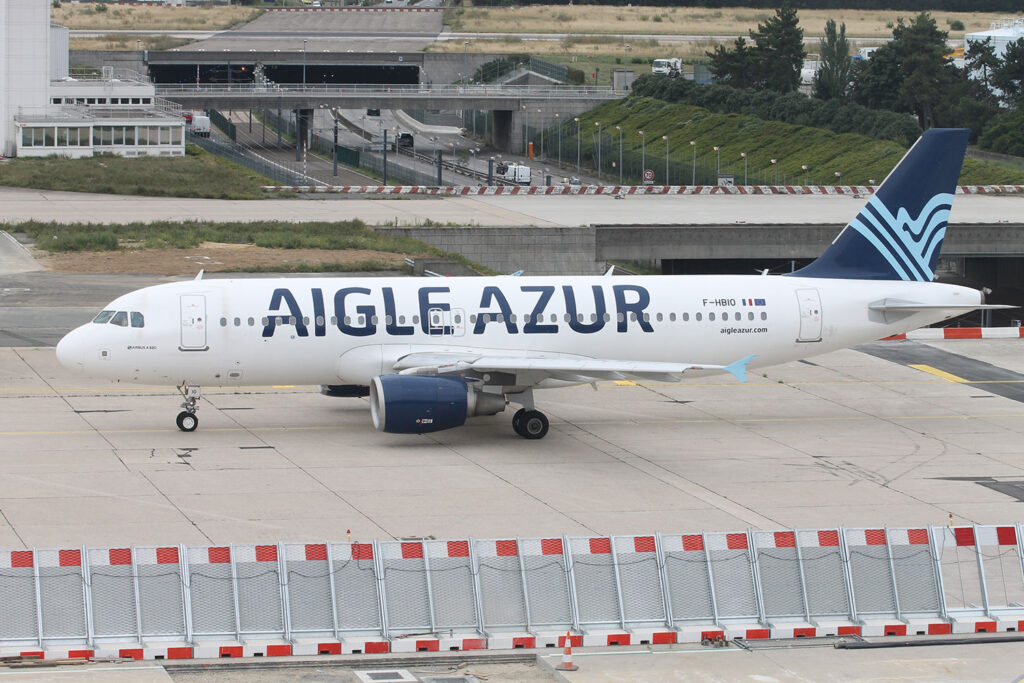
Aigle Azur at Paris Orly
Aigle Azur was France’s second-largest airline for much of the 2010s, specialising in routes between France, North Africa and parts of the Middle East. Operating Airbus A319s and A320s, the airline was a familiar sight at Paris Orly.
Internal shareholder disputes, combined with financial difficulties, led to its sudden collapse in September 2019. Several rescue bids failed, and operations were suspended almost overnight, leaving a major gap in French–Algerian air services.
bmi British Midland
Once the UK’s second-largest airline after British Airways, bmi British Midland had a long and complex history. From its origins as British Midland Airways, it operated domestic and European routes from London Heathrow, as well as long-haul services to the Middle East and Africa.
The airline flew a diverse fleet including Boeing 737s, Airbus A319s, A320s, A321s and Airbus A330s. Financial struggles led to its acquisition by International Airlines Group, and in 2012, bmi was fully absorbed into British Airways. Its disappearance marked the end of a major independent UK carrier.
Spanair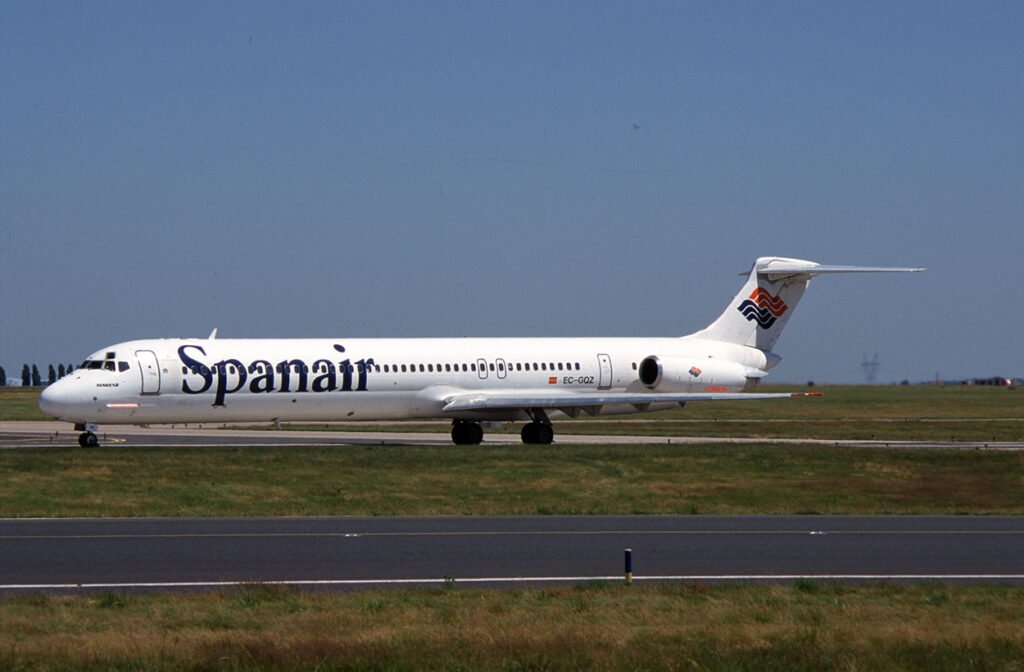
Spanair was once Spain’s second-largest airline, operating a broad European network from Barcelona and Madrid. Its fleet included McDonnell Douglas MD-80s, Airbus A320 family aircraft and Boeing 767-300s for longer routes.
Despite government backing and multiple restructuring attempts, Spanair collapsed suddenly in January 2012 after regional funding was withdrawn. The shutdown stranded thousands of passengers and highlighted the fragility of mid-sized European network carriers during the early 2010s.
Malev Hungarian Airlines

Konstantin von Wedelstaedt (GFDL 1.2 <http://www.gnu.org/licenses/old-licenses/fdl-1.2.html> or GFDL 1.2 <http://www.gnu.org/licenses/old-licenses/fdl-1.2.html>), via Wikimedia Commons
Founded in 1946, Malev was Hungary’s national airline for more than six decades. Based at Budapest, it connected Central Europe with destinations across Europe, the Middle East and beyond.
Malev operated aircraft including Boeing 737s, 767s and Bombardier Q400 turboprops in its later years. Chronic financial losses and European Union rulings on state aid forced the airline to cease operations in February 2012, leaving Hungary without a flag carrier and opening the door for low-cost airlines to dominate Budapest.
Flybe
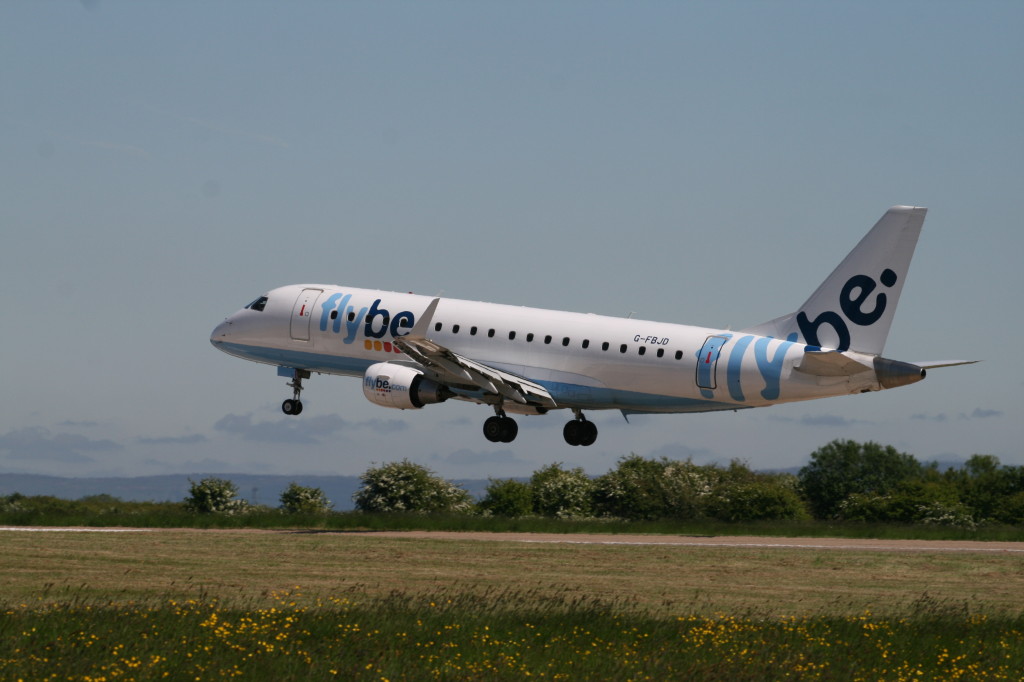
Flybe’s Embraer 175 G-FBJD.
Flybe was once Europe’s largest regional airline, specialising in domestic UK routes and short-haul European services from bases such as Exeter, Birmingham and Manchester.
Operating Bombardier Dash 8 Q400 turboprops and Embraer regional jets, Flybe played a vital role in connecting smaller cities. Years of losses culminated in its collapse in March 2020, just as the COVID-19 crisis was beginning to unfold. Although the Flybe brand briefly returned later, the original airline of the 2010s was gone for good.
WOW air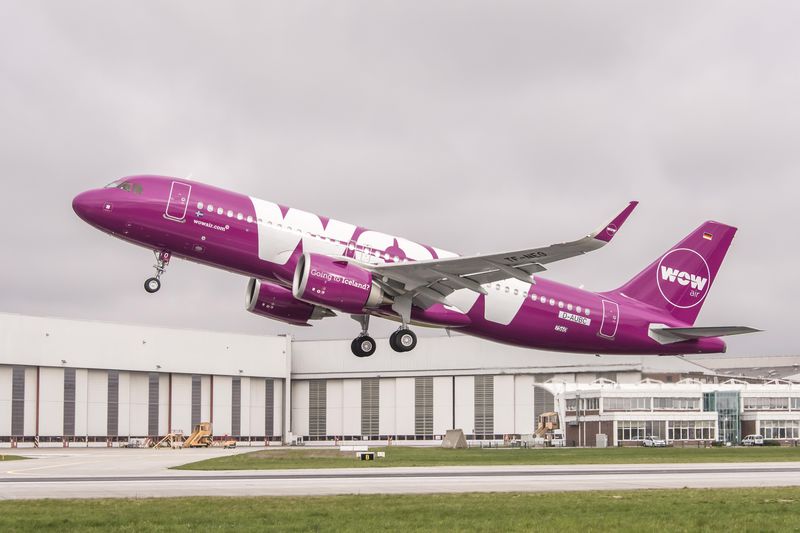
WOW air was one of the most ambitious low-cost carriers of the decade, offering ultra-cheap transatlantic flights via Iceland. Using Airbus A320s, A321s and later A330s, the airline connected North America and Europe at prices that undercut traditional carriers.
Rapid expansion, rising fuel costs and fierce competition proved unsustainable. WOW air collapsed in March 2019, leaving aircraft grounded in Iceland and highlighting the risks of low-cost long-haul business models.
Air Berlin
Air Berlin was once Germany’s second-largest airline, with a vast network across Europe, North Africa and long-haul destinations in the Americas. Its fleet included Airbus A320 family aircraft and Airbus A330s, plus DHC-8 Q400s operated by LGW.
Despite support from Etihad Airways, Air Berlin entered insolvency in 2017. Operations ceased later that year, and its assets were divided among competitors, with Lufthansa and easyJet absorbing aircraft and slots. The airline’s collapse marked the end of a major European hybrid carrier.
Thomas Cook Airlines
Thomas Cook Airlines was the aviation arm of the historic Thomas Cook travel group, operating leisure flights from the UK to holiday destinations worldwide. Its fleet included Airbus A320 family aircraft and Airbus A330s.
The airline ceased operations in September 2019 following the collapse of the Thomas Cook Group, triggering one of the largest peacetime repatriation efforts in UK history. Its disappearance also led to the loss of several related airline brands across Europe.
Transaero
Transaero was once Russia’s second-largest airline, operating an eclectic and enthusiast-favourite fleet that included Boeing 737s, 747s, 767s and 777s — with the 747 a particular highlight for spotters.
Rapid expansion, rising debt and economic pressures led to its collapse in October 2015. Many of its aircraft were absorbed by Aeroflot, while Transaero itself vanished almost overnight, ending one of the most visually distinctive airline fleets of the era.
A Decade That Changed Aviation
The loss of these airlines reshaped route networks, fleets and spotting opportunities across the world. Many were replaced by low-cost carriers or absorbed into larger airline groups, fundamentally changing how people fly today.
For aviation enthusiasts, the 2010s were a reminder that airlines — no matter how established — are never guaranteed to last. What remains are memories, photographs, logbooks and the liveries that once filled the skies.
Lost Airline Colours of Europe
For more lost airlines and liveries check out our book, Lost Airline Colours of Europe. Through many pages of colour photographs relive the glory days of airlines of days gone by. Features many classic airliner types which were once common.


2 comments
[…] Source: https://www.airportspotting.com/10-airlines-we-lost-in-the-2010s/ […]
I remember ALL these airlines very well indeed. Flew with MONARCH on the 1-11, 757 and A300, flew with BMI on the Viscount, DC-9, 737, A319/320/321., very sad to see both cease flying.
FLYBE on the Q400, E175 and E195, good airline, shocker with baggage charges !