
Summary
At first glance, it looks almost unreal.
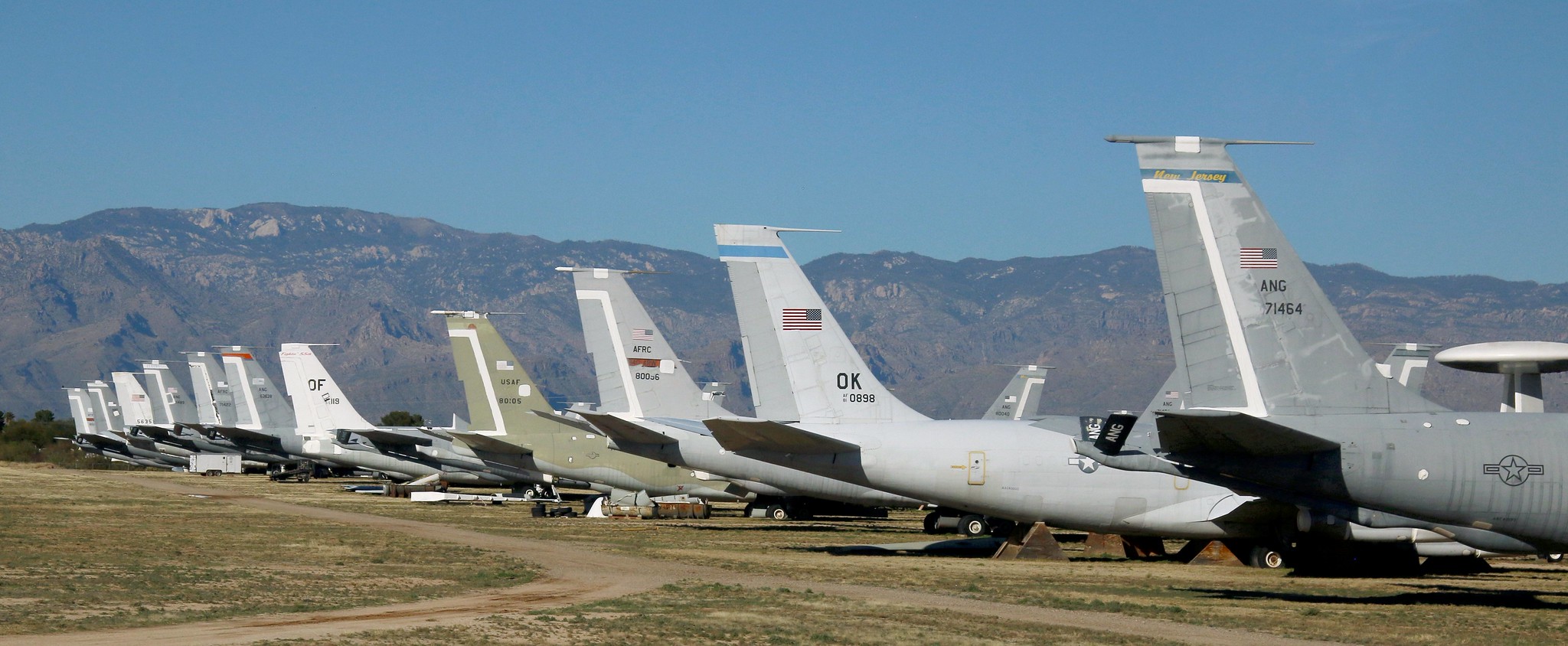
Row upon row of aircraft—fighters, bombers, transports—stretching out across the Arizona desert as far as the eye can see. From above, it resembles a giant aviation graveyard.
But this isn’t just where aircraft come to die.
Welcome to one of the most important and fascinating aviation facilities in the world: the vast storage site at Davis-Monthan Air Force Base in Tucson, Arizona.
Not A Graveyard—But A Vital Military Asset
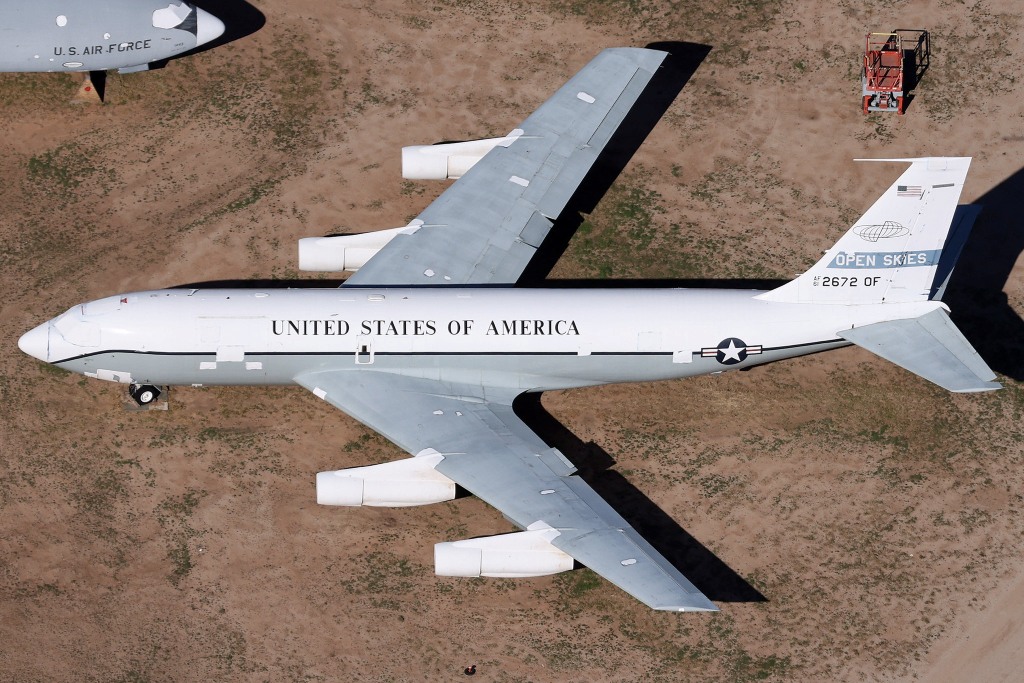
Photo: DUNCAN KIRK
The site is operated by the 309th Aerospace Maintenance and Regeneration Group (AMARG), a unit of the US Air Force responsible for storing, maintaining, and recycling retired military aircraft.
Rather than simply parking aircraft and leaving them to decay, AMARG plays a crucial role in keeping the wider US military fleet operational.
Aircraft stored here are used for:
- Supplying spare parts to active aircraft
- Long-term preservation for potential future use
- Conversion into drones or test platforms
- Controlled dismantling under international agreements
In many cases, parts sourced from AMARG are the only way to keep older aircraft types flying.
Why The Desert?
The location of this enormous facility is no accident.
The Arizona desert offers ideal conditions for aircraft storage:
- Extremely low humidity, reducing corrosion
- Minimal rainfall
- Hard, dry soil capable of supporting heavy aircraft without paving
- High temperatures that slow deterioration when aircraft are properly treated
This environment allows aircraft to be preserved for years—or even decades—with relatively minimal degradation.
Thousands Of Aircraft—From Bombers To Giants

Rows of C-5 Galaxy aircraft dominate the scene. Photo: Mark Murdock
At any given time, around 3,000 aircraft are stored at the facility, making it the largest aircraft storage site in the world.
Among them are some truly iconic types:
- Around 90 Boeing B-52 bombers
- Approximately 57 Lockheed C-5 Galaxy transport aircraft
- Fighters, tankers, reconnaissance aircraft, and more
One of the oldest aircraft on site is a WB-57, a weather reconnaissance variant of the English Electric Canberra—highlighting just how long some aircraft have been preserved here.
The Role Of Arms Reduction Treaties
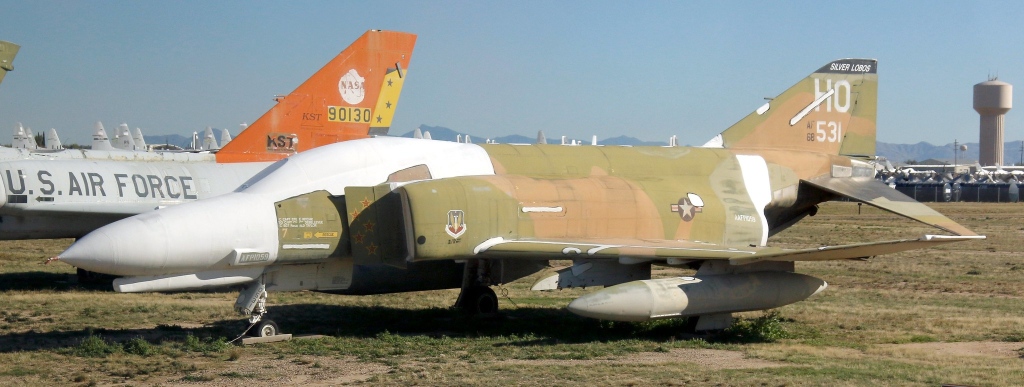
Retired Phantom jet fighter. Photo: Steve Knight
Not all aircraft stored at AMARG are destined for reuse.
Some are dismantled as part of international agreements such as the Strategic Arms Reduction Treaty (START), which aims to reduce nuclear delivery systems.
In these cases:
- Aircraft like the B-52 have their wings removed
- The dismantling is carried out in a way that is clearly visible to satellites
- This transparency allows other nations to verify compliance
It’s a striking example of how even grounded aircraft can play a role in global security.
From Storage Back To The Skies
Perhaps the most remarkable aspect of AMARG is that some aircraft don’t stay grounded forever.
Aircraft can—and do—return to service when needed.
Recent examples include:
- A 55-year-old B-52 bomber reactivated and returned to flying status in 2022
- A B-1B Lancer brought back from storage to strengthen operational capability
This ability to “bring aircraft back to life” highlights the importance of careful preservation.
How Aircraft Are Stored
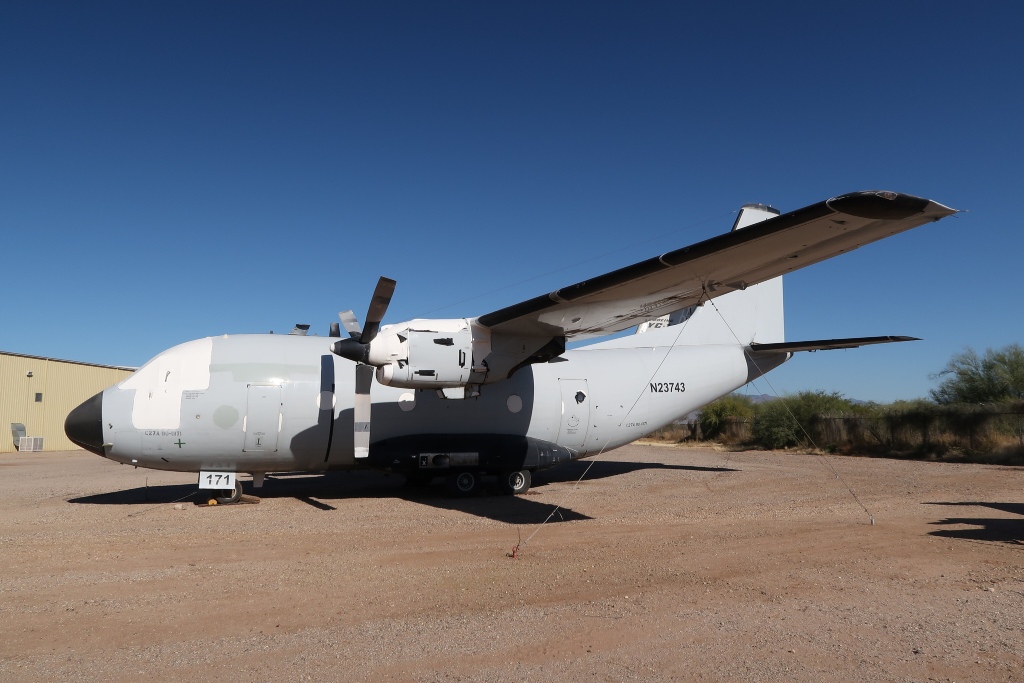
A C-27 Spartan in storage. Photo: Kelly Michals
When an aircraft arrives at AMARG, it undergoes a detailed preservation process:
- Thorough cleaning and washing
- Engines filled with protective oil
- Openings sealed to prevent insects and contamination
- Sensitive areas coated with protective compounds
- Exterior often sprayed with a reflective white coating to reduce heat damage
This process ensures that aircraft remain in usable condition for years to come.
“Celebrity Row” And Historic Aircraft

Former United Airlines DC-8 later used as a one-of-a-kind electronic warfare platform. Photo: aceebee
Among the thousands of aircraft is a section often referred to as “Celebrity Row.”
Here, historically significant or unusual aircraft are preserved rather than scrapped, reflecting their importance in aviation history.
For enthusiasts, it’s a reminder that AMARG is not just about utility—it also plays a role in preserving aviation heritage.
Can You Visit The Aircraft Boneyard?
For many years, it was possible to take guided tours of AMARG from nearby Davis-Monthan Air Force Base.
However, these tours are currently no longer available, meaning access to the site itself is restricted.
That said, aviation enthusiasts still have options:
- Some aircraft can be glimpsed from areas around Tucson
- The nearby Pima Air and Space Museum offers one of the largest aviation collections in the world
- Many aircraft displayed at Pima have links to AMARG
For visitors, combining a trip to Tucson with a visit to the museum still provides an unforgettable aviation experience.
A Hidden Giant Of Aviation
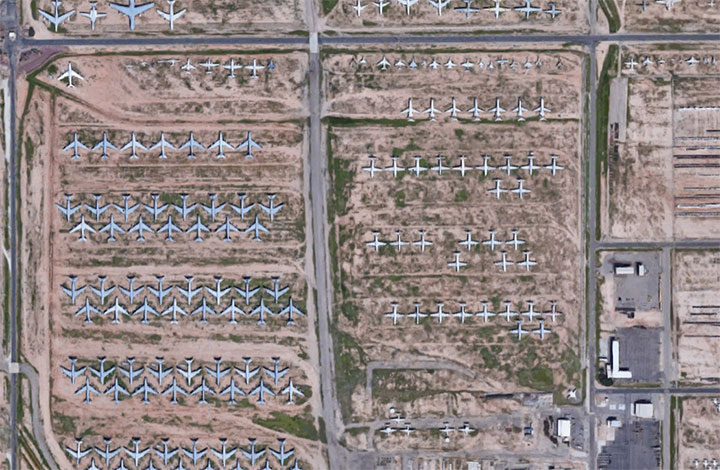
The aircraft storage facility at Davis-Monthan is far more than a desert curiosity.
It is:
- A vital support system for active military fleets
- A storage site for thousands of historic aircraft
- A place where aircraft can be preserved, dismantled, or even reborn
For aviation enthusiasts—and even casual observers—it represents one of the most extraordinary sights in the aviation world.
A place where the past, present, and future of flight all sit side by side in the desert sun.
If you’re fascinated by unique aviation locations like this, there’s a whole world of incredible spotting experiences waiting to be discovered.
Title image: Steve Knight
Want To Go Plane Spotting In the USA? Here’s How To Take It Further
If Davis Monthan has made it onto your spotting bucket list, the next step is knowing exactly where to go and how to make the most of your visit.
That’s where World Airport Spotting Guides (3rd Edition) comes in.
Inside, you’ll find detailed guides to airports across the USA—including spotting locations, photography tips, and practical advice to help you plan your trip with confidence. Whether you’re heading to LAX, JFK, Arizona’s boneyards, or beyond, it’s designed to help you maximise your time on the ground.
For even more in-depth content, you can also join Airport Spotting Premium Membership, which gives you access to:
- Exclusive spotting guides and research documents
- Monthly downloadable magazines
- Insider tips and inspiration for aviation enthusiasts
- Regular updates on fleet changes, routes, and rare aircraft operations
If you’re serious about plane spotting—or simply want to turn a good trip into an unforgettable one—these resources will give you a real edge.
👉 You can explore the book here and Premium Membership at this link.

