
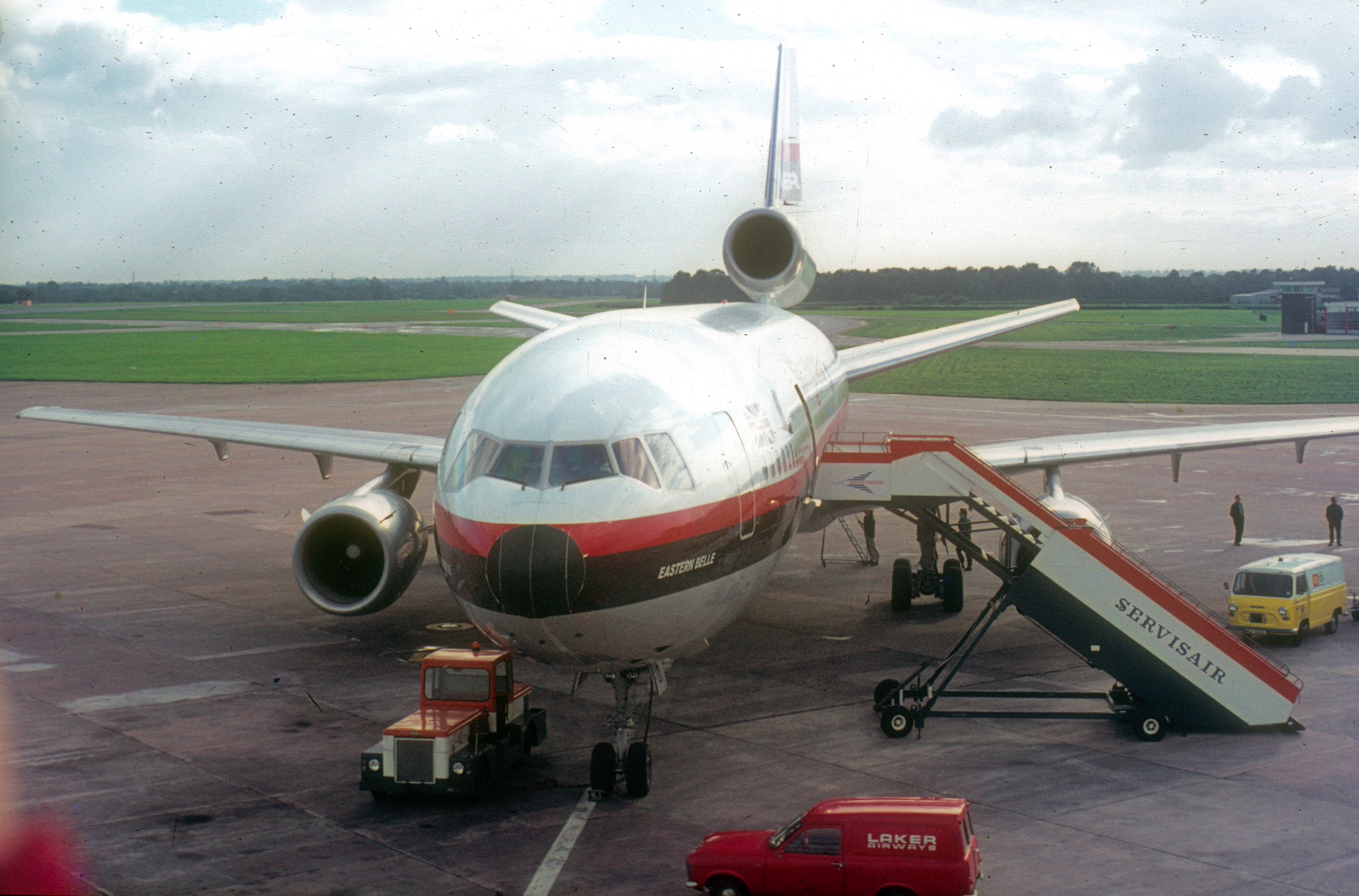
Summary
Widebody aircraft such as the Boeing 747, McDonnell Douglas DC-10, Airbus A300 and Lockheed L-1011 TriStar have long been associated with major global airlines. Their large capacity and long-range capabilities usually require strong networks and financial backing to operate successfully.
However, aviation history is full of airlines that attempted to compete on the global stage using these large aircraft — sometimes with only a handful in their fleet. In several cases, the gamble didn’t pay off. Despite operating impressive widebody jets, these airlines disappeared after only a short time in business.
Here are some short-lived airlines that flew widebody jets before disappearing from the skies.
People Express

Eduard Marmet, CC BY-SA 3.0 GFDL 1.2, via Wikimedia Commons
Founded in 1981, People Express quickly became one of the most talked-about airlines in the United States. The carrier began with a simple low-cost model but expanded rapidly, introducing Boeing 747-100 aircraft to operate transatlantic flights from Newark to London Gatwick.
At the time, it was remarkable to see a low-cost airline operating jumbo jets on international routes. Unfortunately, rapid expansion, rising costs and intense competition eventually caught up with the airline.
By 1987, People Express had collapsed and was absorbed into Continental Airlines. Despite its short life, it left a lasting influence on the low-cost airline model that would later dominate aviation.
[Read: PEOPLExpress and Continental Airlines Boeing 737-100 Fleet]
Laker Airways
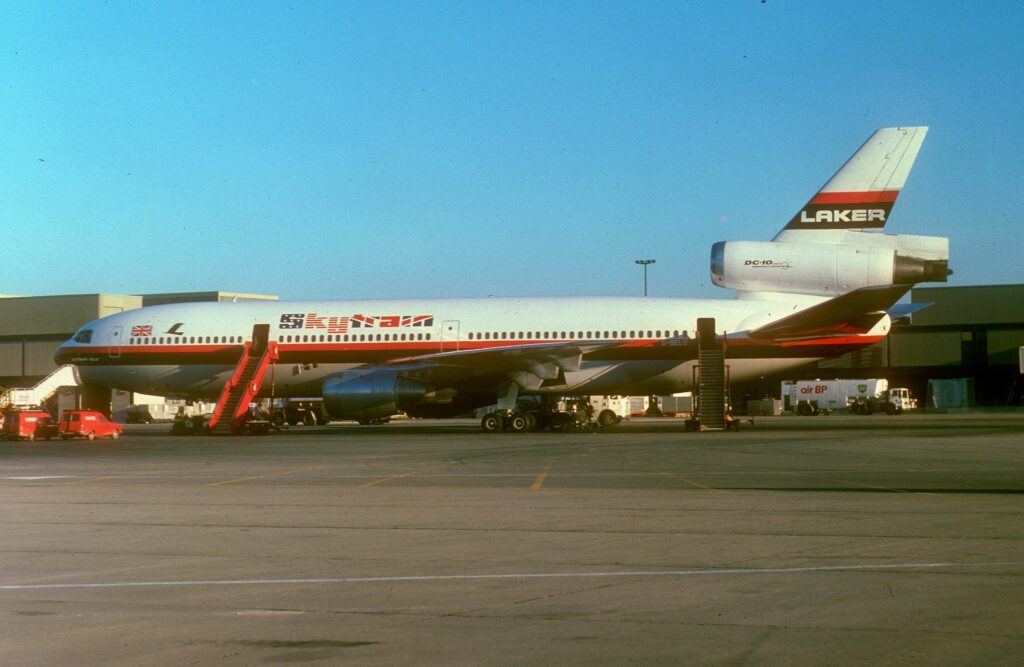
Photo: Aero Icarus
One of the most famous airline startups of the 1970s, Laker Airways was founded by British aviation entrepreneur Sir Freddie Laker. The airline launched its revolutionary “Skytrain” concept — low-fare transatlantic flights without many of the frills offered by traditional airlines.
Laker operated a fleet of McDonnell Douglas DC-10-10 widebody aircraft on routes between London Gatwick and several cities in the United States.
Although hugely popular with passengers, Laker Airways faced fierce competition from established carriers and financial pressure from rising fuel costs. The airline ceased operations in 1982, but its pioneering low-cost long-haul concept helped shape future airline models.
Zoom Airlines
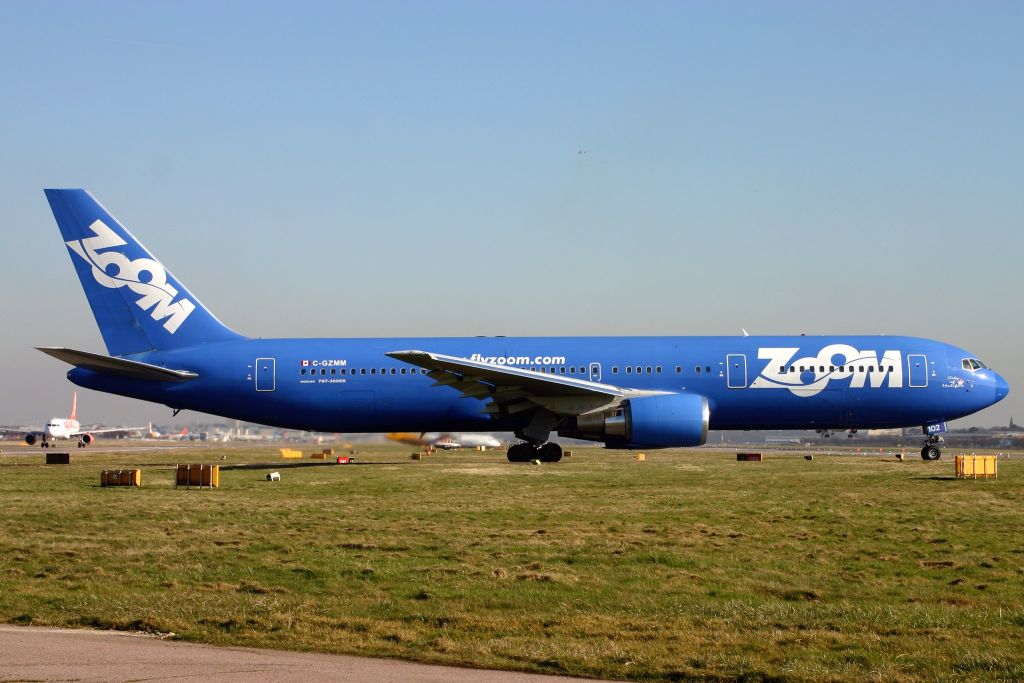
Founded in 2002, Zoom Airlines was a Canadian low-fare transatlantic carrier that quickly became familiar at airports such as Glasgow, London Gatwick and New York JFK. The airline operated a small fleet centred on the Boeing 767-300ER, using the type on long-haul flights between Canada, the UK and other leisure destinations. A UK sister airline, Zoom Airlines Ltd, later expanded the brand’s European presence with additional transatlantic and charter services.
Zoom’s model was ambitious: low-cost long-haul flying before it became fashionable. But like several airlines that tried to make thin-margin transatlantic operations work, it was badly exposed to rising fuel prices and financial pressure. The airline ceased operations in August 2008, leaving behind memories of brightly branded 767s linking secondary cities across the Atlantic.
Air Europe
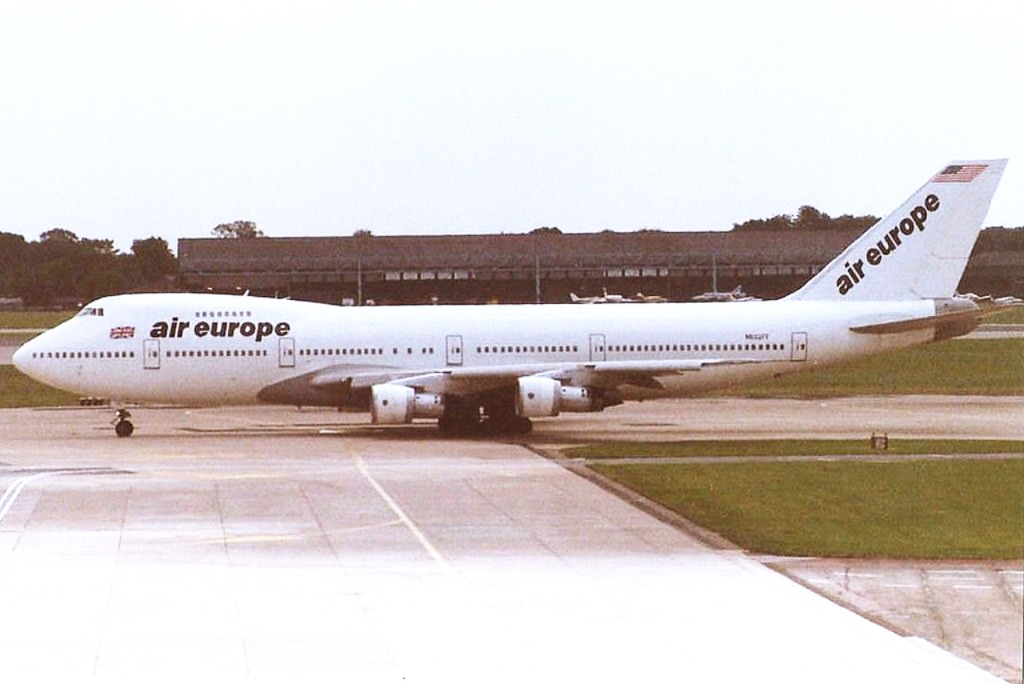
Photo: Simon Butler
During the 1980s, Air Europe became one of the United Kingdom’s most successful charter airlines. Based at London Gatwick, the airline expanded rapidly and for a brief time introduced widebody aircraft including the Boeing 747-100.
These aircraft were used to carry large numbers of holidaymakers from the UK to Mediterranean destinations.
Despite its popularity, the airline struggled with heavy debts and the impact of the early-1990s recession. Air Europe collapsed in 1991, leaving thousands of passengers stranded and marking one of the UK’s largest airline failures.
At the time of their demise they had the new McDonnell Douglas MD-11 on order.
MAXjet Airways
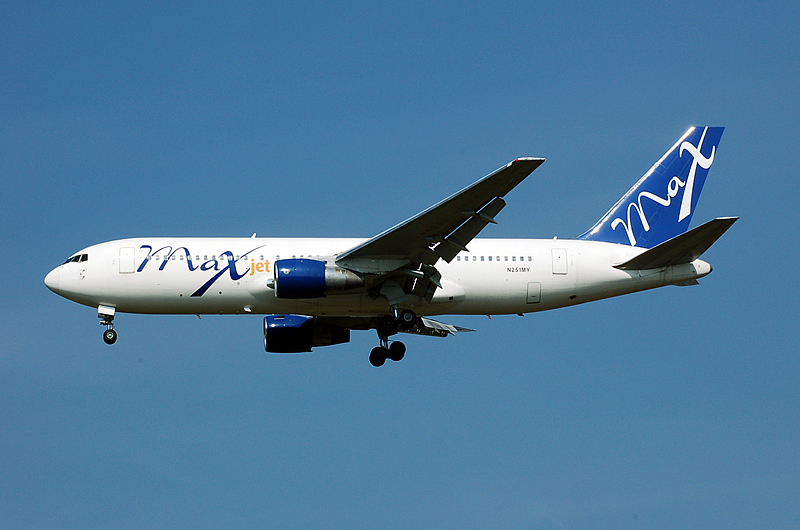
MAXjet Airways took a different approach to widebody flying. Founded in 2003 and launching service in 2005, it was an all-business-class airline operating Boeing 767-200 and 767-200ER aircraft across the Atlantic. Its network linked London Stansted with cities such as New York JFK, Los Angeles, Las Vegas and Washington Dulles, targeting premium passengers who wanted a more affordable alternative to traditional business class.
The concept attracted strong interest from aviation enthusiasts because it showed how even older widebody aircraft could be repurposed into something distinctive and niche. But MAXjet’s small fleet and exposure to rising costs left it vulnerable. The airline filed for bankruptcy and ceased operations in December 2007, becoming one of several specialist all-premium transatlantic carriers that burned brightly but briefly.
Cal Air International / Novair International Airways
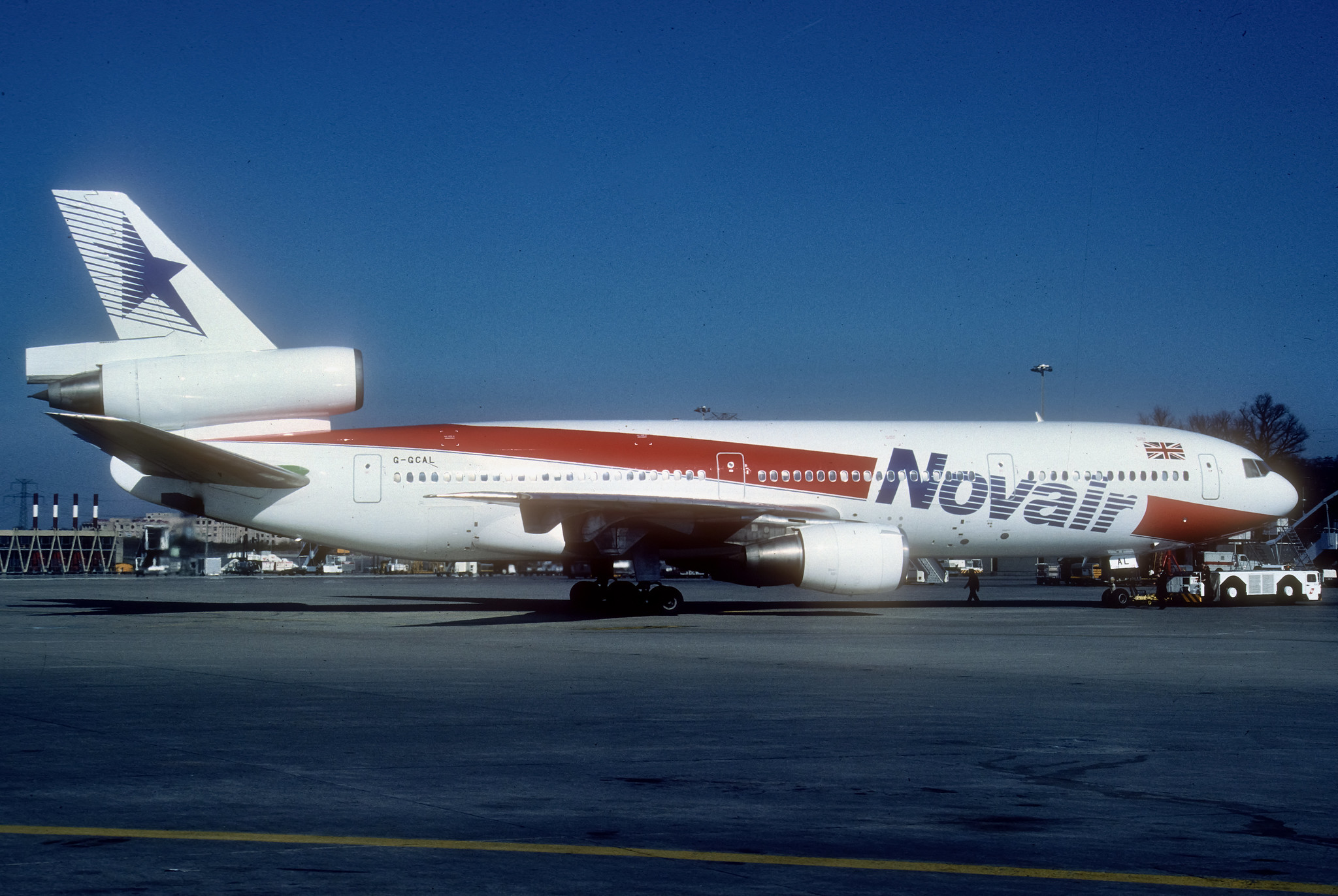
Cal Air International was a British charter airline born out of the collapse of Laker Airways. It began operations in the mid-1980s and used McDonnell Douglas DC-10-10 widebodies to carry holidaymakers from the UK to Mediterranean and long-haul leisure destinations. Based at London Gatwick, it gave British enthusiasts another chance to see classic widebody charter flying at a time when package tourism was booming.
In 1988 the airline was rebranded as Novair International Airways, and the fleet was supplemented by new Boeing 737-400s, although the DC-10s remained the most distinctive aircraft in its operation. The airline never lasted long in either form, however, and closed in 1990 after its parent company failed to secure a buyer.
Travel City Direct
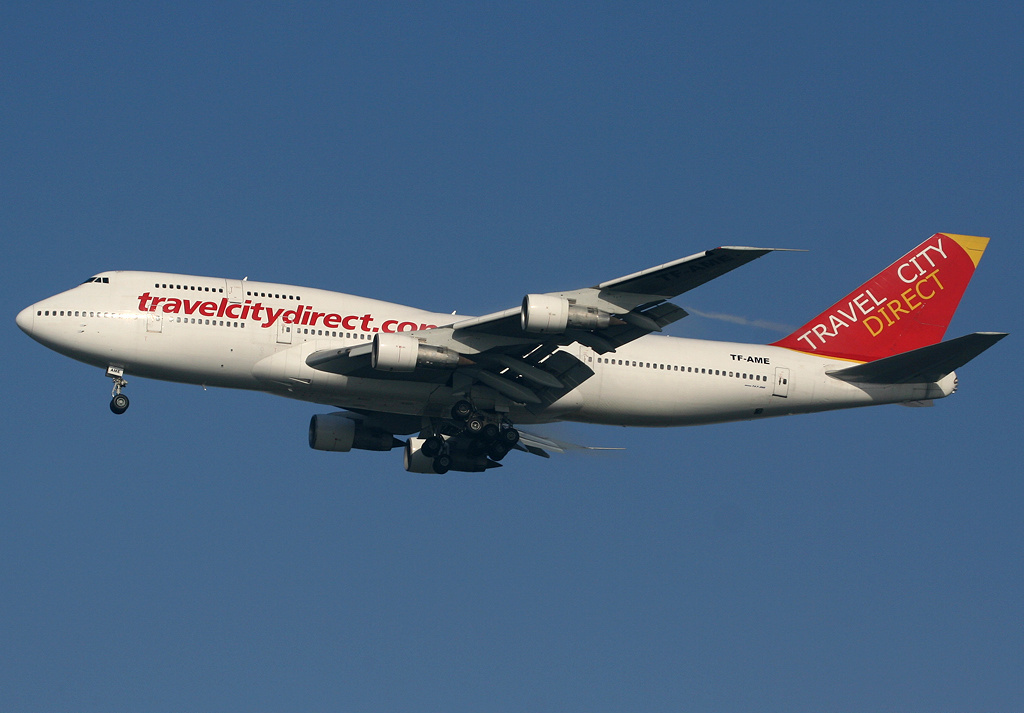
Strictly speaking, Travel City Direct was best known as a holiday brand rather than a conventional airline in its own right — but for UK holidaymakers in the 2000s, it became closely associated with dedicated Florida widebody flights. Under the XL Leisure Group, the brand used rare Boeing 747-300s on services from airports such as London Gatwick, Manchester, Glasgow and Cardiff to Orlando Sanford, giving it a distinctive presence in the long-haul leisure market.
That operation ended abruptly when XL Leisure Group collapsed in September 2008. The Travel City Direct name later survived under Virgin ownership, but the original dedicated Sanford widebody operation disappeared with XL’s failure. For many British travellers, that makes Travel City Direct a memorable part of the era when specialist holiday brands could still fill long-haul widebodies to Florida on a regular basis.
✈️ Do you remember seeing any of these airlines in the skies? Did you ever fly with one of them? Leave a comment below!
Title image: Aero Icarus


6 comments
[…] Source: https://www.airportspotting.com/discover-the-short-lived-airlines-that-flew-widebody-jets/ […]
I remember seeing the Laker DC-10’s im Manchester back in the 70’s, and I also flew with Zoom 2 times from Vancouver, Zoom were great to fly with.
What about Silverjet! 767s from Luton to U S A.
Good suggestion! Thanks Peter
I believe Cal Air was a joint enterprise between British Caledonian (hence the name and lion logo) and the Rank Organisation. When BCAL was swallowed by BA in 1988, BA had no interest in Cal Air and sold BCAL’s 50% to Rank, leaving them with 100% ownership. As BA now owned the Caledonian brand, Rank was forced to rename its airline, hence the switch to Novair. However, lack of an inhouse travel agency meant the airline struggled for business, and it was closed down with the onset of recession in 1990.
Thanks for the insight Iain!
Matt