
Summary
Commercial aviation today connects thousands of cities around the world with routine efficiency. Most airline routes are fairly predictable: major hubs linked by high-frequency flights using familiar aircraft types. Yet hidden among these everyday services are some truly unusual routes — flights that stand out because of their length, location, aircraft type, or the airports they serve.
For aviation enthusiasts and plane spotters, these routes are particularly fascinating. Whether they involve rare aircraft, remote destinations, or unusual operational procedures, they offer something different from the typical airline schedule.
Here are some of the most unusual airline routes you can still find flying in 2026.
Barra – Glasgow (Loganair)
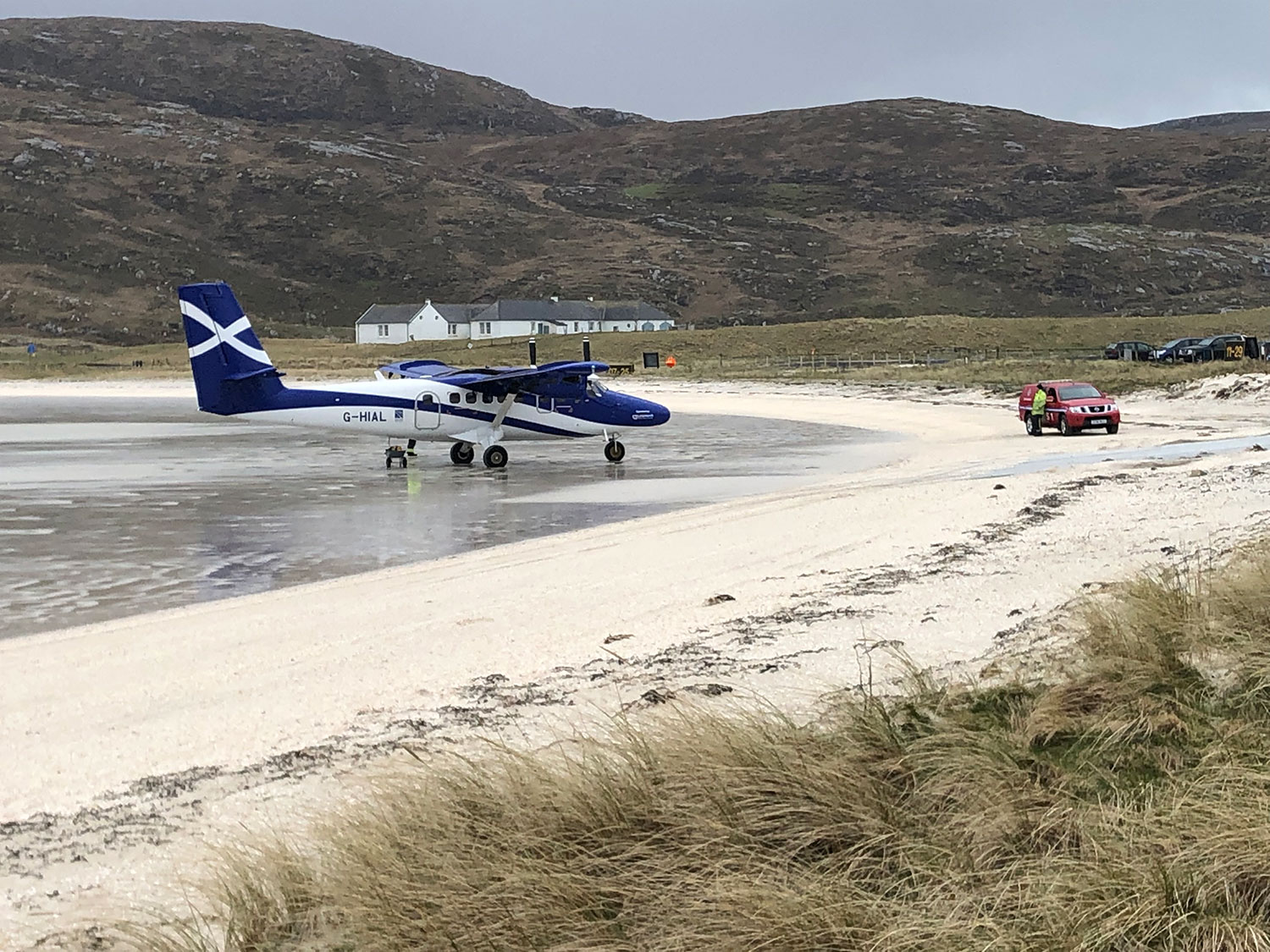
Few scheduled airline routes anywhere in the world operate quite like Loganair’s service between Glasgow and Barra in Scotland. The destination airport sits on the island’s beach, and aircraft land directly on the sand.
Flights are timed with the tides, and the runway markings are placed on the beach itself. Loganair typically operates the route using the rugged de Havilland Twin Otter, an aircraft well suited to short takeoffs and landings.
For aviation enthusiasts, Barra remains one of the most extraordinary airports in the world — and one of the few where a scheduled airliner lands on a beach.
St. Helena – Johannesburg (Airlink)
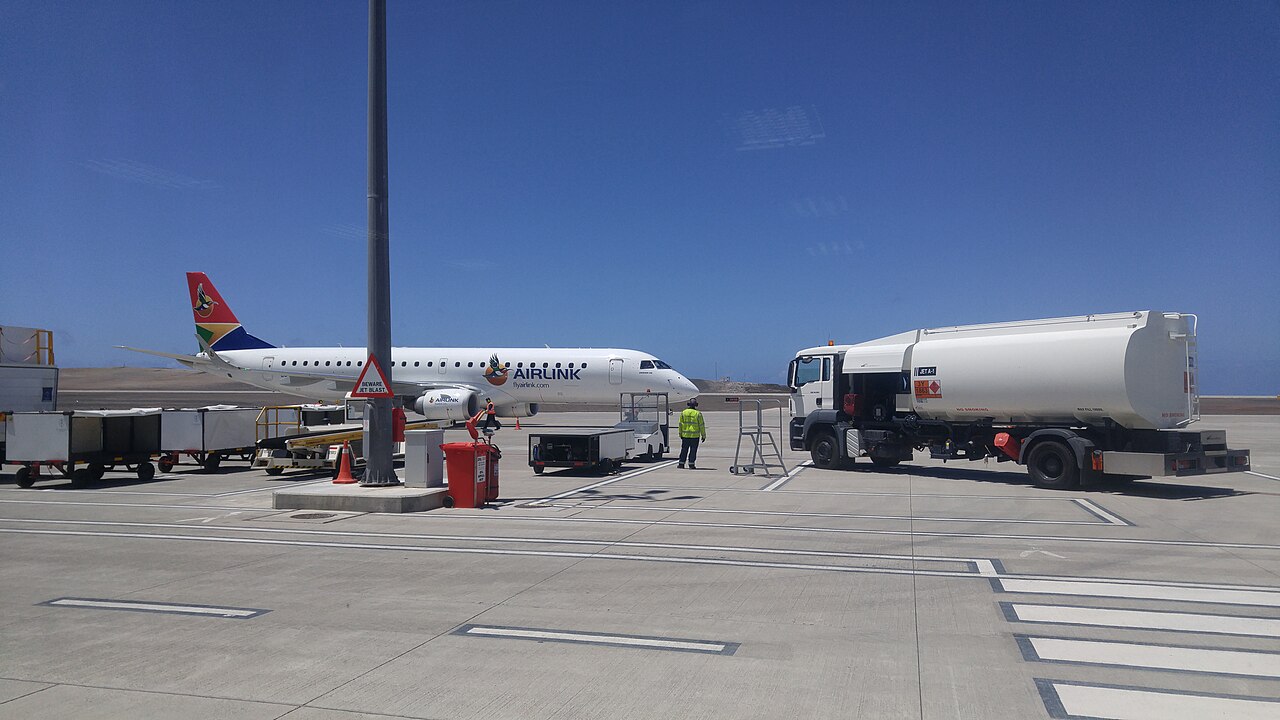
The island of St. Helena in the South Atlantic Ocean was once one of the most remote inhabited places on Earth, accessible only by sea. That changed in 2017 when its new airport opened, allowing commercial air service for the first time.
Today Airlink operates flights connecting St. Helena with Johannesburg, providing a vital link for the island’s residents and visitors. The route is unusual not only for its remoteness but also because of the challenging wind conditions around the island that influenced the airport’s design and operations.
Honolulu – Pago Pago (Hawaiian Airlines)
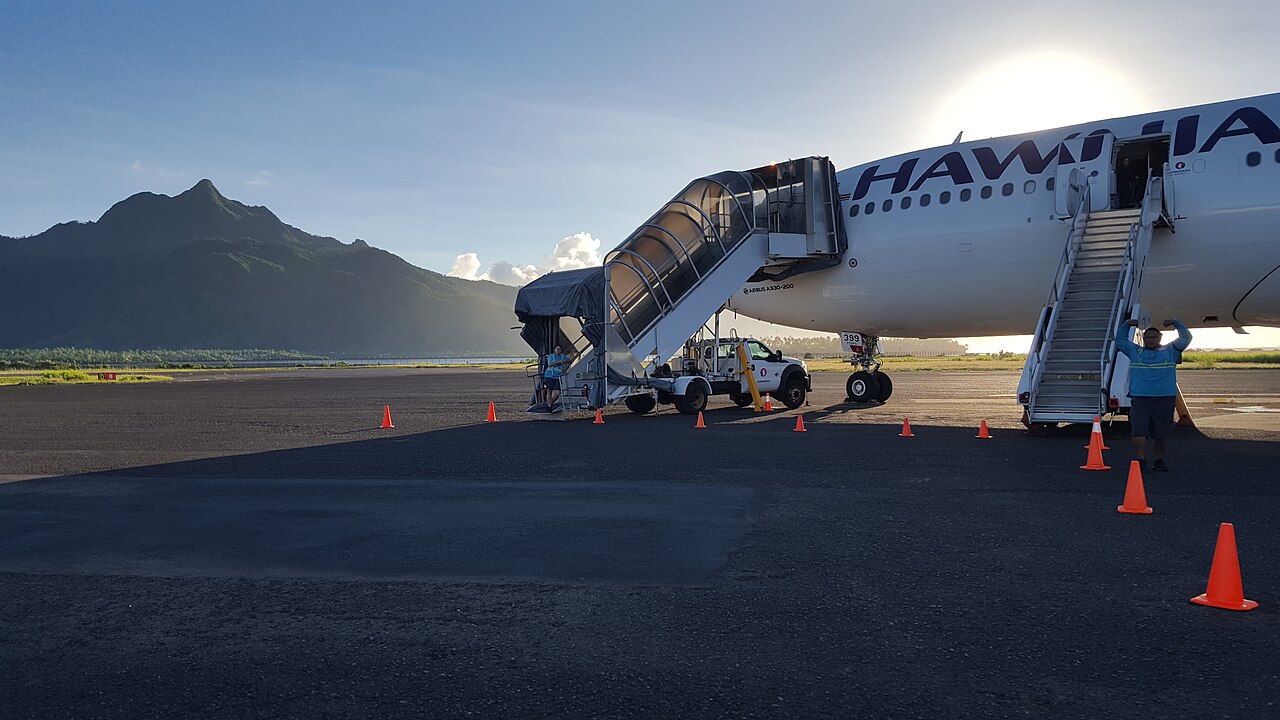
Across the Pacific Ocean lies another unusual route connecting the Hawaiian Islands with American Samoa. Hawaiian Airlines operates flights between Honolulu and Pago Pago, linking two remote island groups separated by thousands of miles of ocean.
The service has historically been operated by Airbus A330 aircraft, making it one of the more unusual deployments for a widebody jet on a relatively niche route serving a small island territory.
Perth – London Heathrow (Qantas)
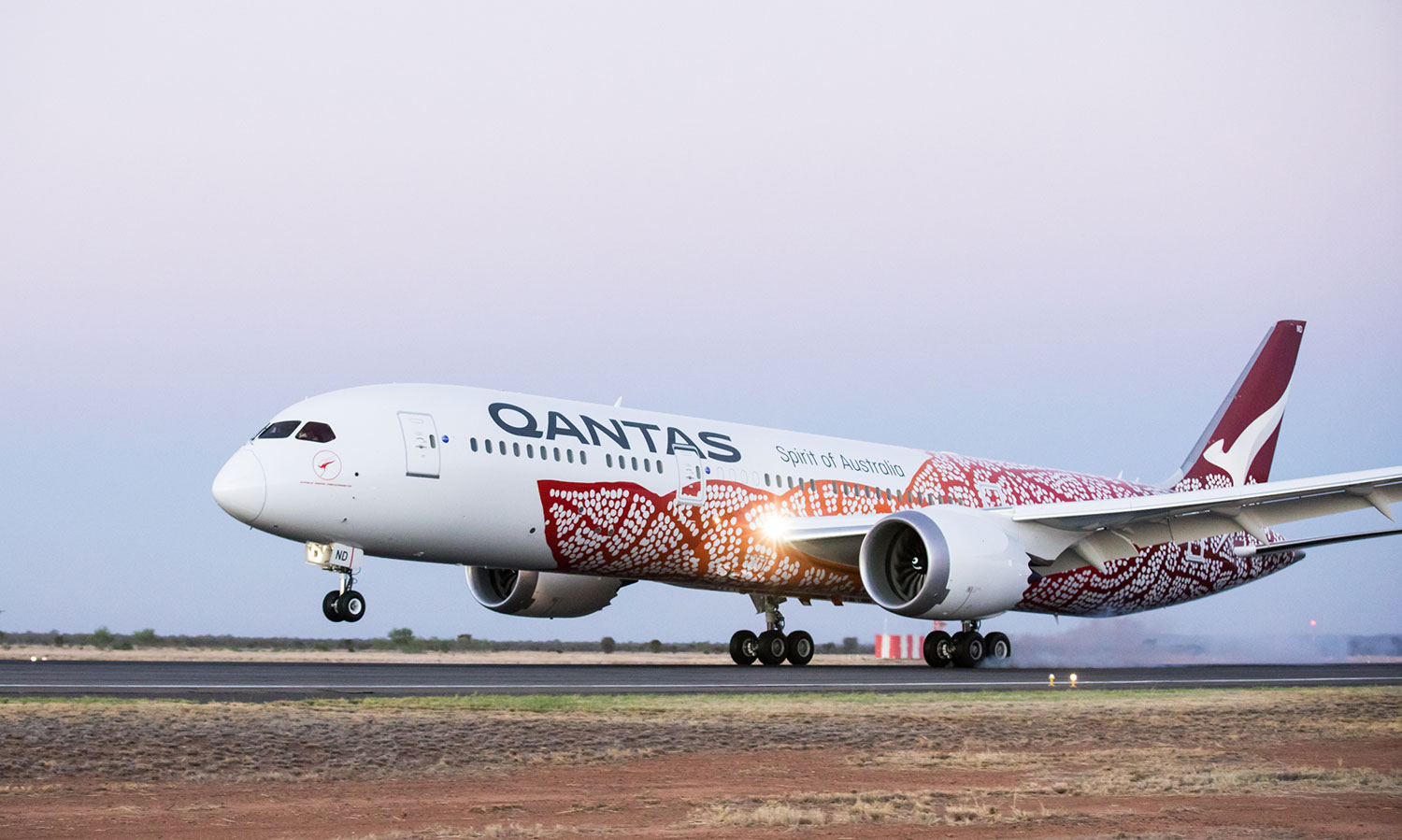
Ultra-long-haul flights have become more common in recent years, but Qantas’ Perth to London Heathrow service remains one of the most remarkable examples.
This route is one of the world’s longest non-stop commercial flights, connecting Western Australia directly with the United Kingdom. Operated by the Boeing 787-9 Dreamliner, the flight demonstrates how modern aircraft technology has made non-stop travel between distant continents possible.
For enthusiasts, it’s a striking reminder of how aviation has evolved from multi-stop journeys to single-flight connections spanning half the globe.
Nuuk – Copenhagen (Air Greenland)

Greenland’s sparse population and challenging geography make air travel essential. One of the country’s most important international routes connects Nuuk with Copenhagen.
Air Greenland traditionally operates the service using an Airbus A330neo, making it a rare widebody presence in the Arctic. The combination of a large long-haul aircraft flying into a remote, icy landscape makes this route particularly intriguing for aviation fans.
Toronto – Iqaluit – Nuuk (Canadian North / Air Greenland)
Another unusual Arctic connection links northern Canada with Greenland. Some flights between Toronto and Nuuk operate with a stop in Iqaluit, the capital of Canada’s Nunavut territory.
These services highlight how aviation plays a critical role in connecting remote communities across the Arctic — places where there are often no practical alternatives to air travel.
The Faroe Islands – Copenhagen (Atlantic Airways)
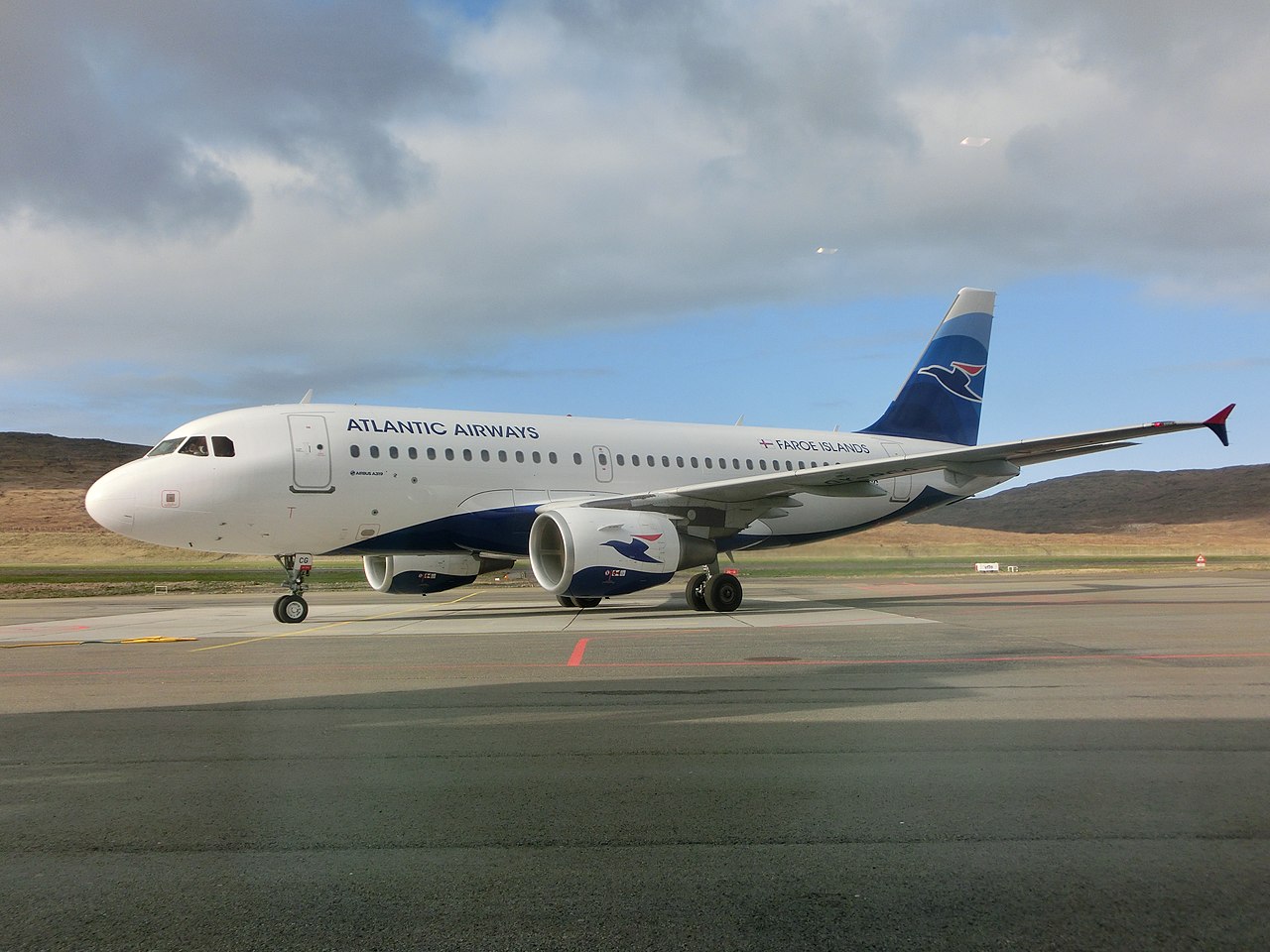
The Faroe Islands sit isolated in the North Atlantic between Iceland, Norway and Scotland. The islands’ national airline, Atlantic Airways, maintains regular flights to Copenhagen, providing the archipelago with an essential connection to mainland Europe.
The airport at Vágar is surrounded by dramatic terrain and ocean, making approaches particularly scenic — and sometimes challenging when Atlantic weather moves in.
Which unusual airline route have you flown — or would you most like to experience?


1 comment
[…] Source: https://www.airportspotting.com/uncovered-the-most-unusual-airline-routes-flying-in-2026/ […]