
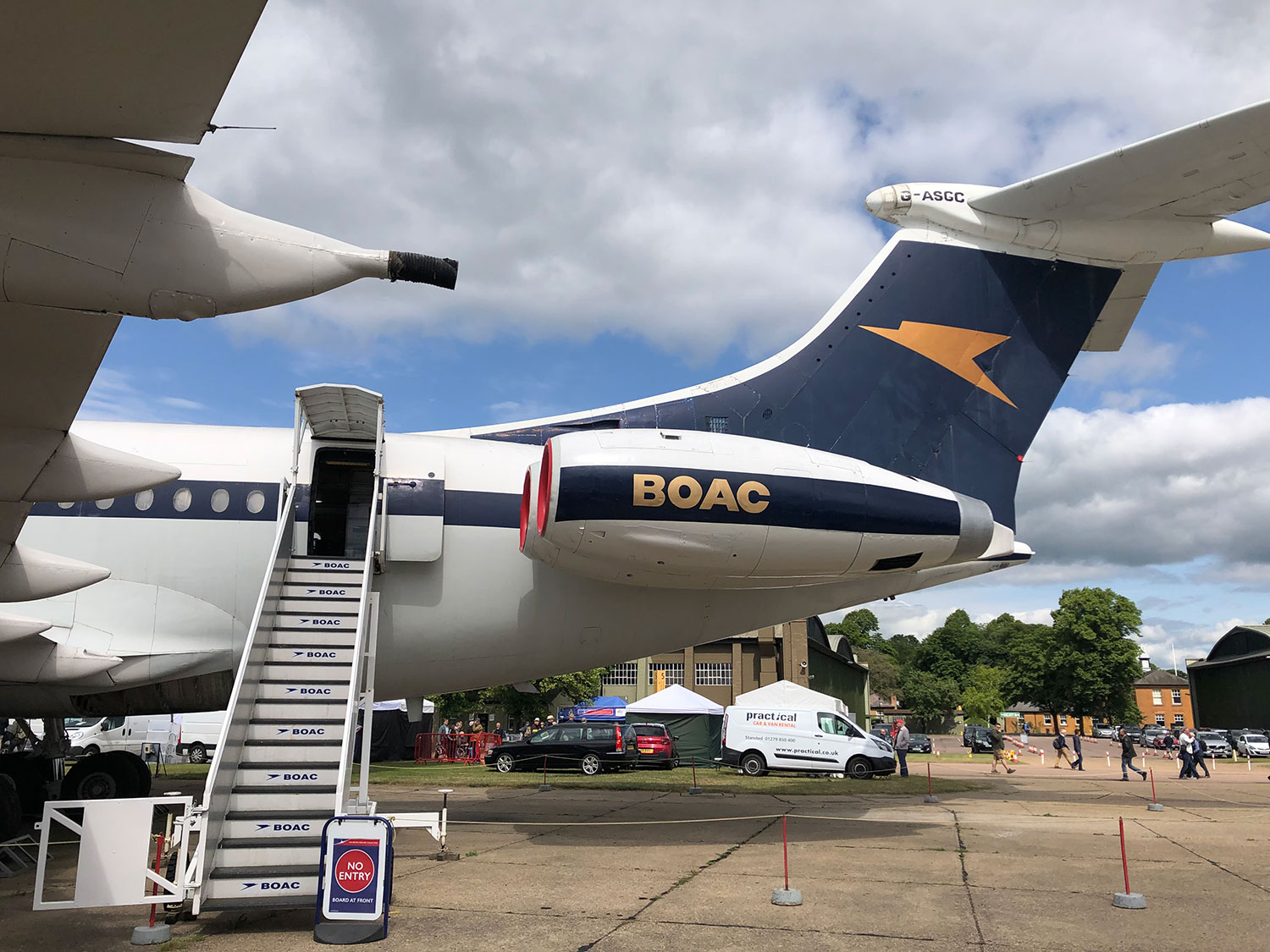
The Vickers VC10 was a much-admired British airliner developed during the 1960s.
With its giant T-tail, and four rear-mounted engines, it was a sleek design capable of flying out of ‘hot and high’ airstrips in places like Africa – perfect for the British Overseas Airways Corporation (BOAC) network of flights to the British Empire.
But with rival types like the Boeing 707 and Douglas DC-8 emerging, the VC10 saw little interest from other carriers that didn’t serve these types of airports.
As a result, only 54 VC10s were built, split across the standard and Super VC10 models. The latter was slightly longer, and targeted more at the Transatlantic market.
In addition to BOAC (which became British Airways from 1974), the other airlines that flew VC10s include:
- Air Malawi
- British Caledonian
- British United
- East African Airways
- Ghana Airways
- Gulf Air
- Kenya Airways
- Middle East Airlines
- Nigeria Airways
Royal Air Force Examples
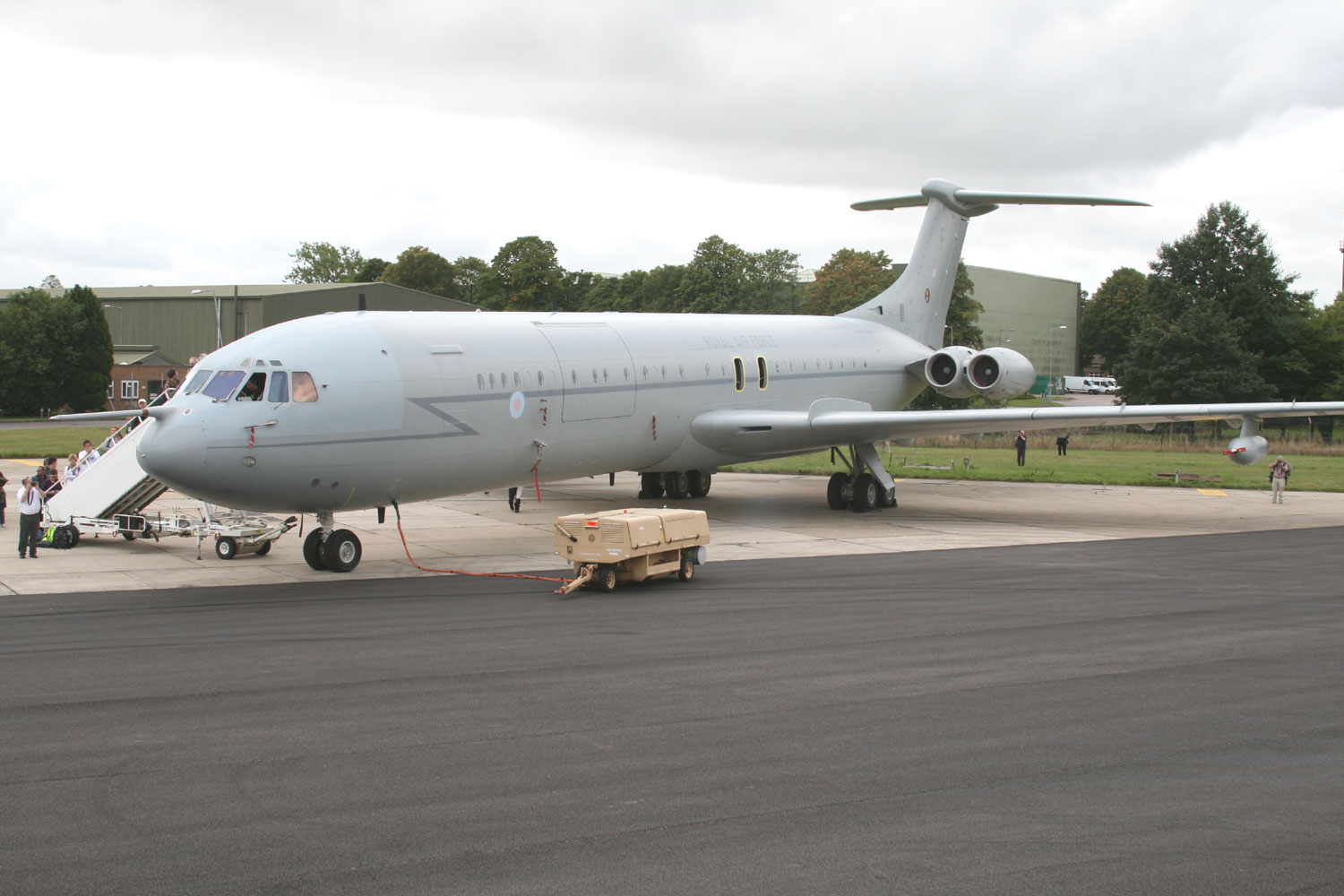
When British Airways started retiring its VC10 fleet, the Royal Air Force saw an opportunity to purchase many of these airframes, as well as some new-build examples, to operate as troop transport aircraft and aerial refueling platforms.
These aircraft operated all over the world, and became the final VC10s to ever fly when retired in 2013.
Where To See a VC10

Thankfully many organisations took the opportunity of preserving Vickers VC10 aircraft for future generations to enjoy.
Today you can see around 12 examples in museums and collections around the world.
G-ARVF (cn 808), Preserved Hermeskeil Museum, Germany. It wears the colours of the United Arab Emirates Government, which flew the aircraft after its life with British Airways.
G-ARVM (cn 815), Preserved at Brooklands Museum, UK. The fuselage of this British Airways aircraft survives here, after a previous life on display in Cosford.

A4O-AB (cn 820), Preserved at Brooklands Museum, UK. Previously flown by British United and British Caledonian, it was latterly used by the Oman Royal Flight, before flying in to the museum at Weybridge, Surrey.
XR808 (cn 828), Preserved at RAF Museum Cosford, UK. A former Royal Air Force tanker aircraft.
XV104 (cn 834), Preserved at South Wales Aviation Museum, St Athan, UK. Only the cockpit survives of this RAF VC10.
XV106 (cn 836), Preserved at Avro Heritage Centre, Woodford, UK. The forward fuselage and cockpit of this RAF Aircraft survive on display. Parts of the fuselage also exist at the South Wales Aviation Museum, St Athan, UK.
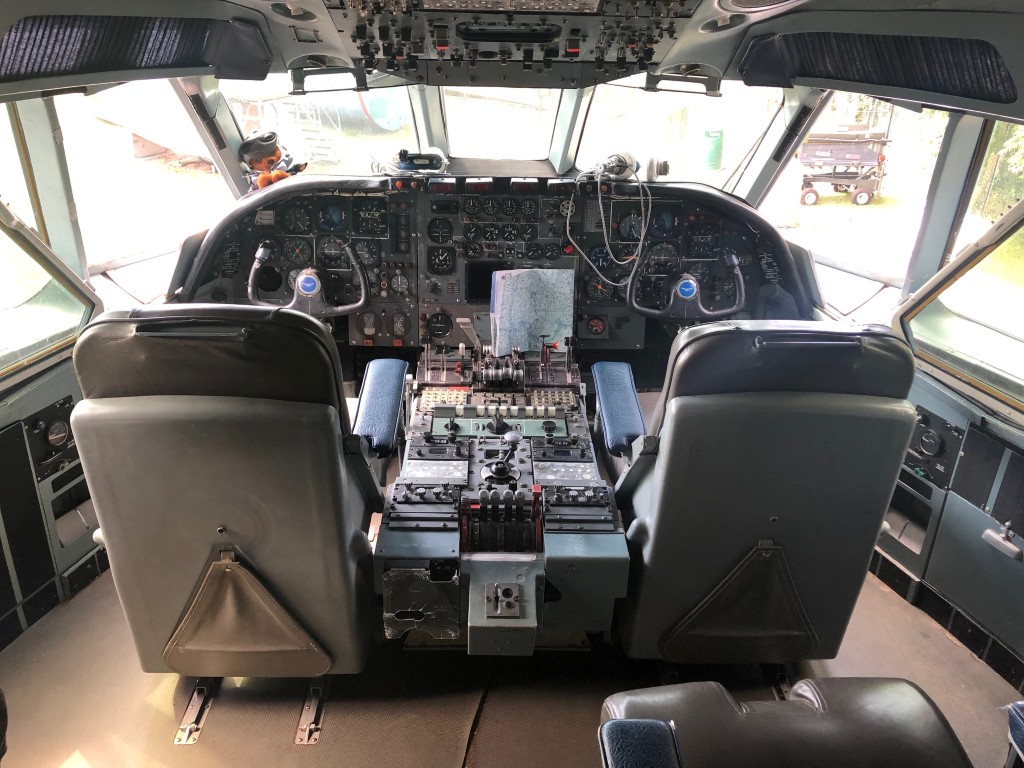
XV108 (cn 838), Preserved at East Midlands Aero Park, UK. The forward fuselage is in 1980s RAF colours and preserved alongside East Midlands Airport.
XV109 (cn 839), Preserved at South Wales Aviation Museum, St Athan, UK. Only the cockpit survives of this RAF VC10.
G-ASGC (cn 853), Preserved at Duxford Imperial War Museum, Cambridge, UK. An example of a Super VC10, preserved in BOAC colours and open to explore.
ZA148 (cn 883), Preserved at South Wales Aviation Museum, St Athan, UK. This aircraft was previously on display at Newquay, but has been reduced to a forward fuselage and cockpit.
ZA149 (cn 884), Preserved at Al Mahatta Museum Sharjah City, UAE. Only the cockpit survives of this former East African Airways and Royal Air Force Super VC10.
ZA150 (cn 885), Preserved at Dunsfold Aerodrome, UK. This was the last VC10 to fly, on 24 September 2013, when it landed at this airfield in Surrey. It is reputedly still active and can be taxied.
When was the last time you saw a VC10? Did you ever fly on one? Leave a comment below!

