
Summary
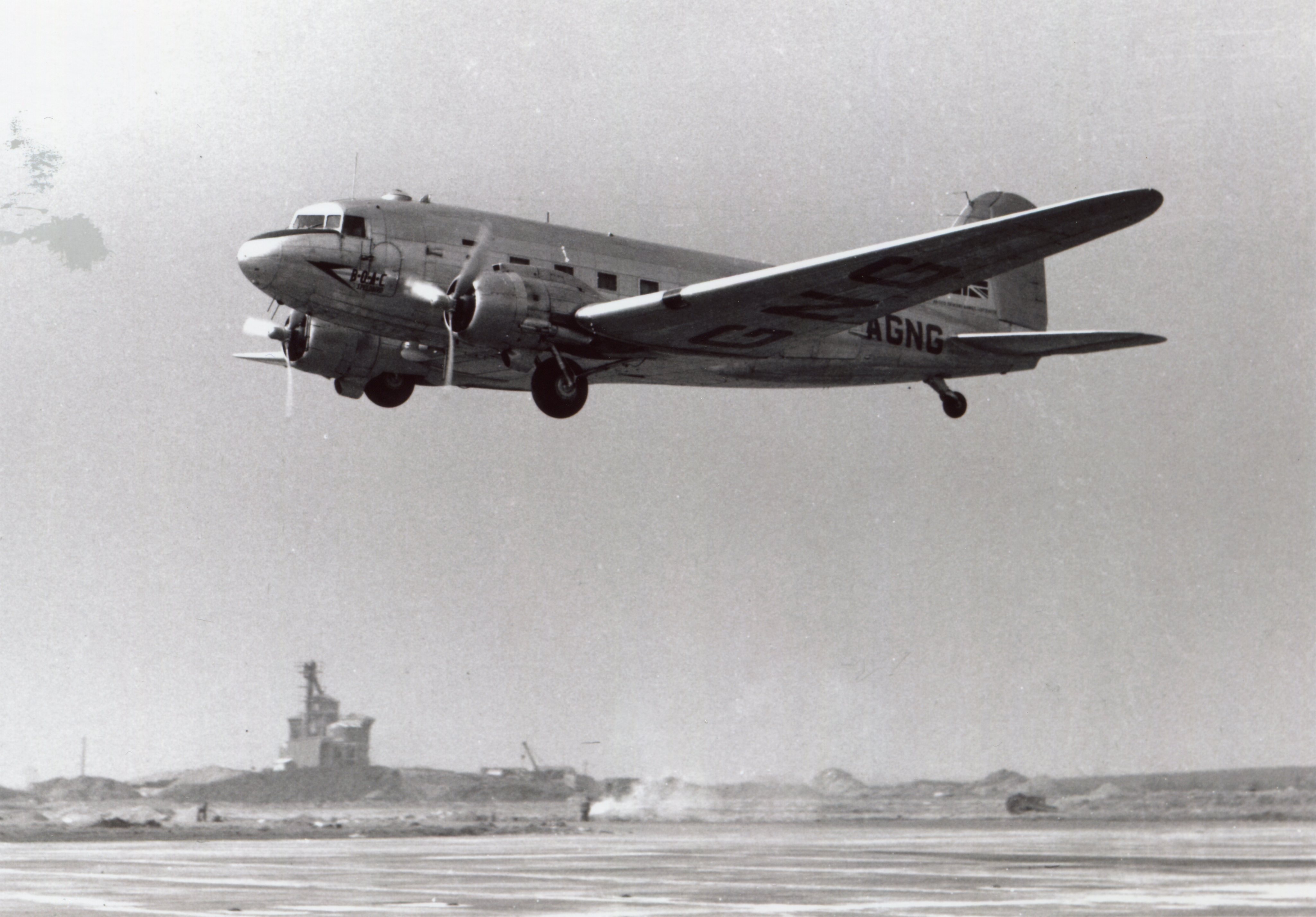
On 17 December 1935, a silver, twin-engined aircraft lifted into the sky for the first time and quietly set aviation on a completely new course. That aircraft was the Douglas DC-3 — and 90 years later, its influence is still felt across global aviation.
Few aircraft can claim to have changed the world. Fewer still can claim to still be flying nearly a century after their first flight. Yet the DC-3 remains not just an aviation legend, but a living one.
The Aircraft That Made Air Travel Viable
Before the DC-3, commercial aviation existed — but it struggled. Airlines relied heavily on mail contracts to stay afloat, aircraft were uncomfortable, unreliable, and often uneconomical for passenger-only operations.
The DC-3 changed everything.
Introduced by Douglas Aircraft Company as an improved development of the DC-2, the DC-3 offered:
-
A comfortable, pressurisation-free cabin that passengers actually enjoyed
-
Reliable twin-engine performance
-
A range and payload that made profit from passengers alone possible
For the first time, airlines could operate regular, scheduled passenger services without depending on mail subsidies. In effect, the DC-3 created the modern airline business model.
By the late 1930s, it dominated U.S. domestic routes and was rapidly spreading worldwide.
A Global Success by Any Measure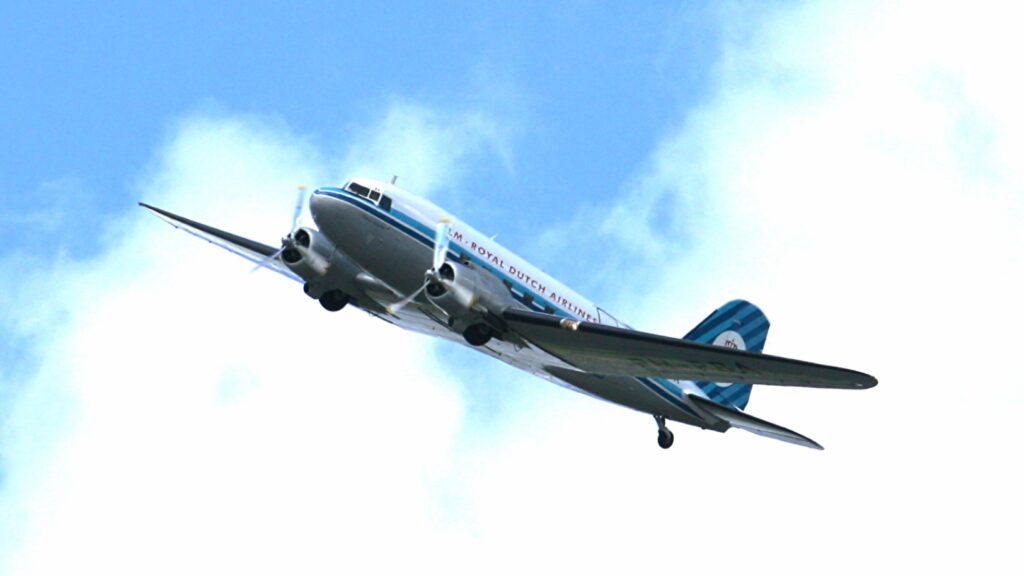
The DC-3 was an immediate hit. Airlines embraced it, pilots trusted it, and passengers loved it.
Between civil and military production, more than 16,000 DC-3s and related variants were built — an extraordinary figure for a 1930s design. During World War II, its military versions (most famously the C-47 Skytrain / Dakota) became the backbone of Allied air transport, supply drops, and paratrooper operations.
General Dwight D. Eisenhower later named the C-47 as one of the key tools that helped win the war.
When the Second World War ended in 1945, the aviation world was left with an unprecedented situation: thousands of aircraft, thousands of trained pilots, navigators and engineers, and an enormous appetite for rebuilding international connections.
At the centre of this post-war aviation boom was the Douglas DC-3.
During the war, the DC-3’s military variants — particularly the C-47 Skytrain and Dakota — had proven themselves beyond doubt. They were rugged, reliable, easy to maintain, and capable of operating from rough, short runways in some of the most challenging environments on earth. When peace arrived, many of these aircraft were suddenly surplus to military requirements.
Crucially, they were also cheap.
Governments sold large numbers of DC-3s to civilian operators at relatively low cost, making them accessible to entrepreneurs, governments, and start-up airlines that could never have afforded new aircraft. For many countries emerging from the war, the DC-3 offered something revolutionary: a ready-made solution to build a national airline almost overnight.
Across Europe, Africa, Asia and South America, airlines were founded — or reborn — around fleets of ex-military DC-3s. In many cases, the aircraft represented the first reliable air link between remote regions and major cities. Roads and railways were often damaged or incomplete after the war, but the DC-3 could operate from basic airstrips and bring communities together far more quickly.
Just as important was the aircraft’s operating economics. The DC-3 was efficient enough to carry passengers, cargo, or a combination of both, and still turn a profit. This flexibility allowed early airlines to experiment with routes, build demand, and grow networks gradually without taking enormous financial risks.
In short, the DC-3 didn’t just support post-war airlines — it made them possible. Without it, the rapid expansion of global civil aviation in the late 1940s and 1950s would almost certainly have taken much longer.
Why the DC-3 Refused to Die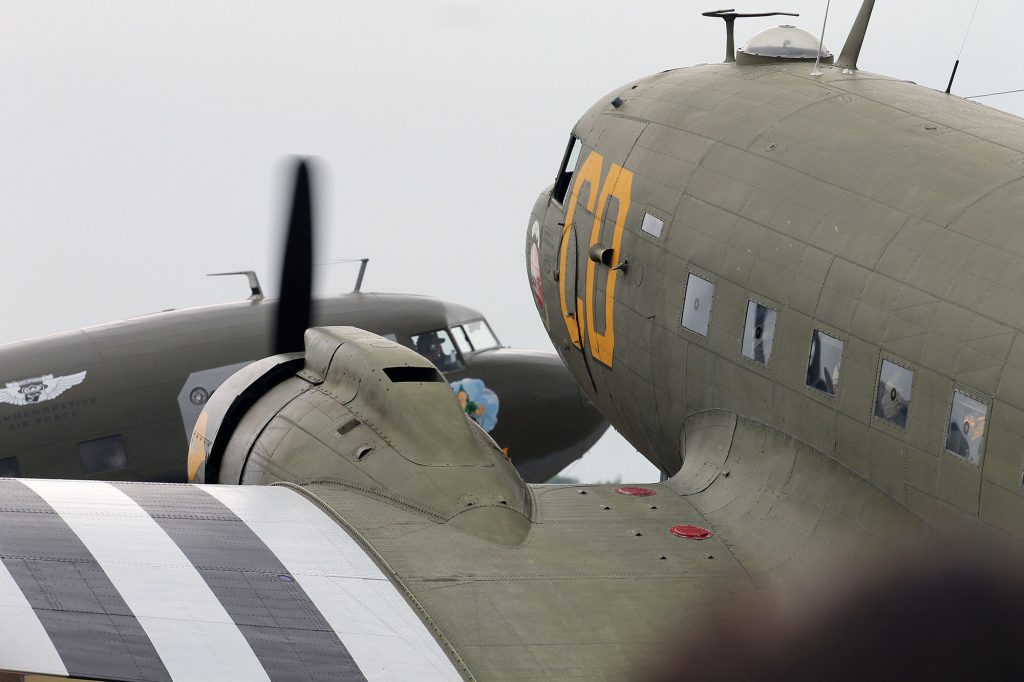
What makes the DC-3 truly extraordinary isn’t just its early success — it’s its longevity.
The aircraft earned a reputation for being:
-
Incredibly robust
-
Easy to maintain in remote areas
-
Capable of operating from short, rough runways
-
Forgiving to fly, even in harsh conditions
As jets took over mainstream airline routes in the 1950s and 60s, the DC-3 simply shifted roles. It became a workhorse for:
-
Cargo operations
-
Bush flying
-
Arctic and jungle routes
-
Parachuting
-
Firefighting
-
Survey and research missions
In many places, nothing else could replace it as effectively.
How Many DC-3s Are Still Flying Today?

A DC-3 in South Africa. Photo (c) Ben
For an aircraft that first flew in 1935, the DC-3’s continued presence in the skies is nothing short of extraordinary.
As the aircraft marks its 90th anniversary, it’s estimated that around 150 DC-3s remain airworthy worldwide, though the exact number fluctuates as aircraft move in and out of active service, undergo restoration, or retire quietly to museums.
What makes the DC-3’s survival even more remarkable is the range of roles it still performs.
Heritage and Pleasure Flights
A significant number of DC-3s today are operated by heritage and preservation groups. These aircraft fly:
-
Passenger pleasure flights
-
Commemorative tours
-
Airshow displays
-
Anniversary and remembrance events
For many passengers, flying aboard a DC-3 is not about speed or convenience — it’s about experiencing aviation history first-hand. The sound of radial engines, the vibration of the airframe, and the view from large cabin windows provide a connection to aviation’s golden age that modern jets simply cannot replicate.
Military, Research and Special Missions

A Baseler DC-3 conversion serving in Antarctica. Photo (c)
Christopher Michel
While most major air forces retired the DC-3 decades ago, the type has never fully disappeared from military or government use. Some aircraft continue to fly in:
-
Research and atmospheric sampling roles
-
Calibration flights
-
Training and utility missions
-
Special government operations
The aircraft’s stable flying characteristics, long endurance, and ability to carry equipment make it surprisingly well-suited to scientific work — particularly in polar regions, deserts, and remote environments.
Utility, Cargo and Remote Operations
In some parts of the world, the DC-3 is still valued for practical reasons rather than nostalgia. Its ability to operate from unprepared runways, carry heavy loads, and be maintained without complex infrastructure keeps it relevant in remote regions.
Converted turboprop versions — such as the Basler BT-67 — extend the DC-3’s life even further, combining the classic airframe with modern engines and avionics.
Why the DC-3 Endures 90 Years On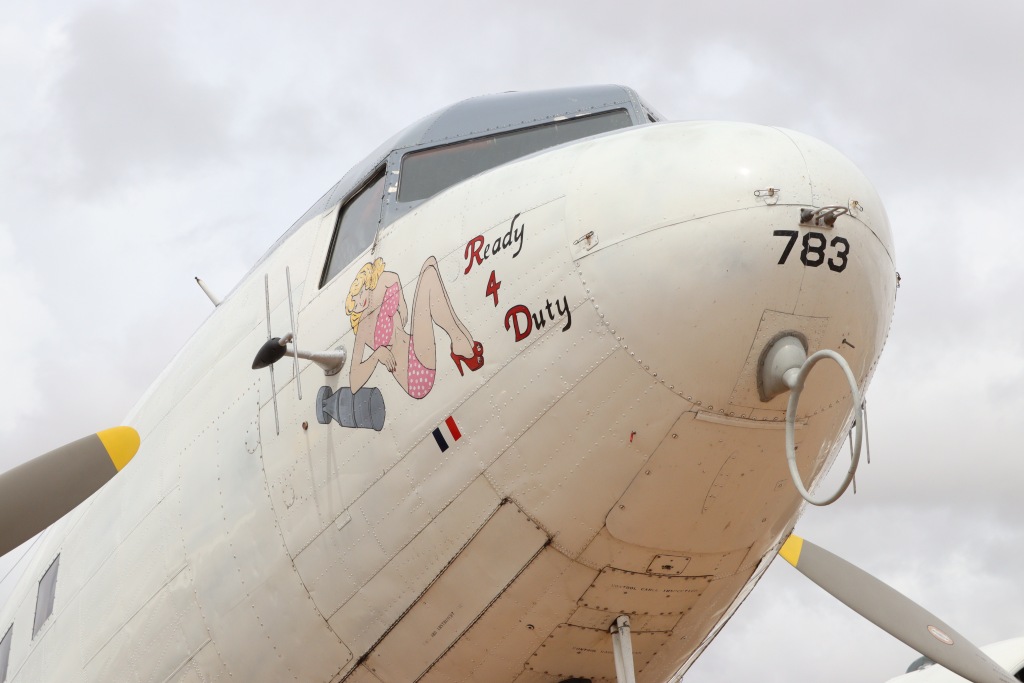
The reason the DC-3 is still flying isn’t just sentimentality — it’s engineering.
The aircraft was designed with generous structural margins, simple systems, and an emphasis on reliability. It tolerates harsh conditions, forgives pilot error, and can be repaired far from sophisticated maintenance facilities. Very few aircraft designs before or since have achieved such a balance.
As a result, the DC-3 has outlived:
-
Multiple generations of jetliners
-
Entire aircraft manufacturers
-
Airlines that once operated hundreds of examples



1 comment
[…] Source: https://www.airportspotting.com/the-douglas-dc-3-turns-90-the-airliner-that-changed-the-world/ […]