
Summary
Two aviation icons brought back to life at the Lufthansa Group’s preservation hub
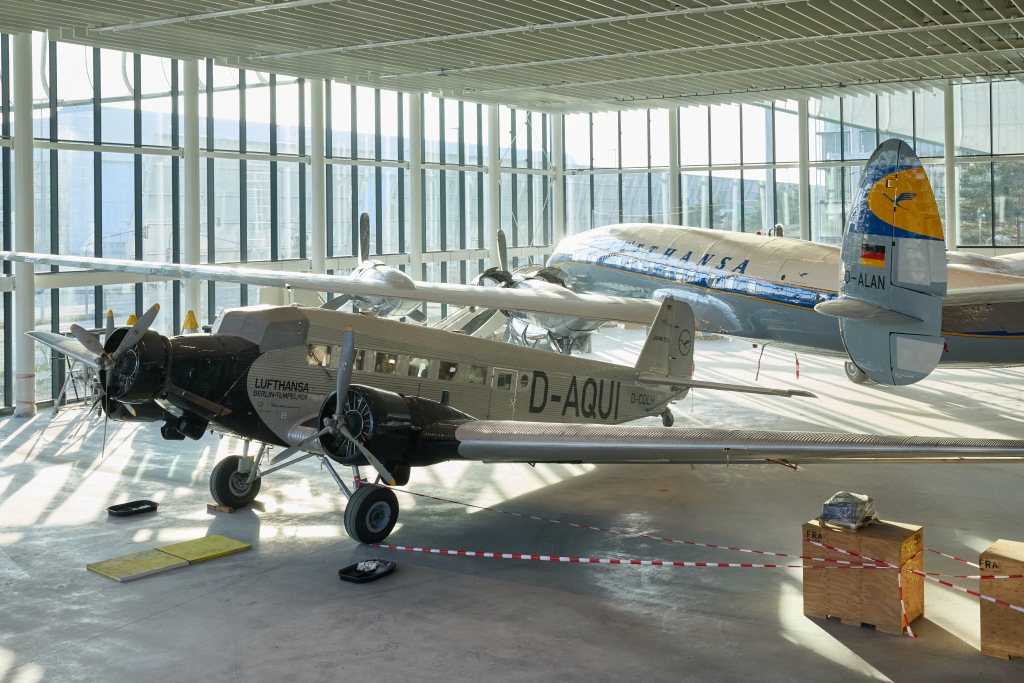
For aviation enthusiasts and history lovers, few stories this year have been as captivating as the restoration of two classic airliners inside Lufthansa Group’s Hangar One — the venerable Junkers Ju 52 and the elegant Super Star (Lockheed L-1649A). This carefully completed project breathes new life into aircraft that embody the earliest chapters of commercial flight, and it brings an exciting opportunity for spotters to see them up close once the facility opens to the public.
Resurrecting Legends: The Ju 52 and the Super Star
The Junkers Ju 52 — affectionately known as “Aunt Ju” — needs no introduction among classic aircraft fans. Introduced in the 1930s, this rugged tri-motored workhorse became one of the most widely used aircraft of its era, prized for its durability and versatility. From early European airliner routes to wartime transport roles, the Ju 52’s corrugated aluminum skin remains an unforgettable sight in aviation history.
The Lockheed L-1649A Super Star, by contrast, represents a later pinnacle of piston-engine airliner design. As the final and most advanced member of Lockheed’s Constellation family, the Super Star was built for long-range service in the early 1950s. With sleek lines and four powerful radial engines, it connected far-flung corners of the world before the jet age fully took hold.
Both aircraft are rare survivors — and both have now been meticulously restored by skilled craftsmen inside Hangar One, Lufthansa Group’s dedicated preservation and restoration facility located near Frankfurt Airport.
What the Restoration Involved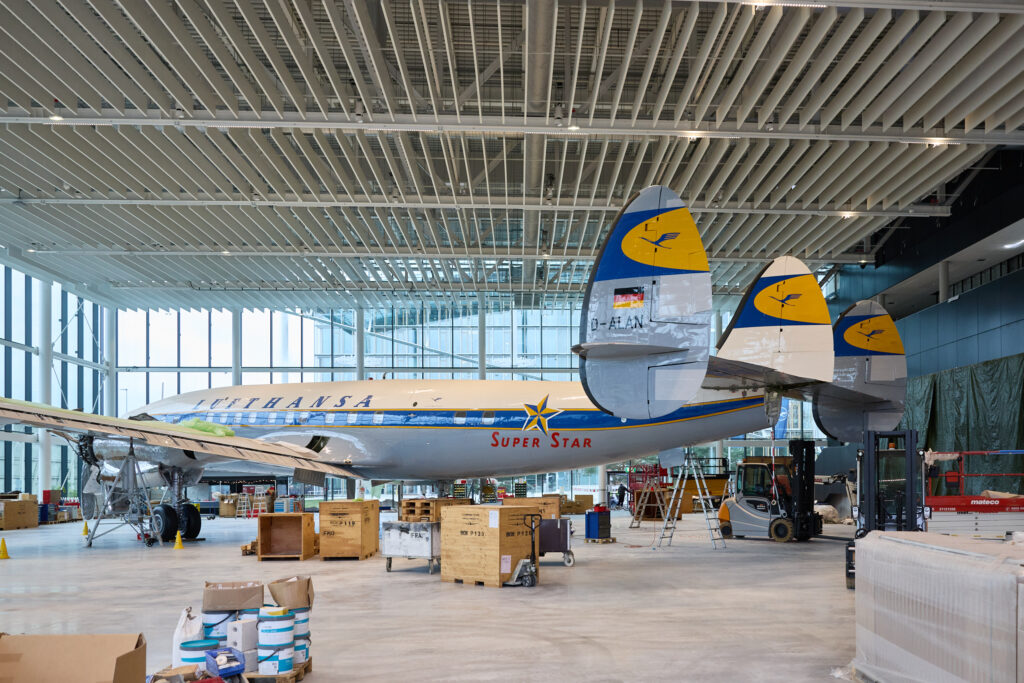
Bringing these two classics back to airworthy-level appearance was no simple task.
For the Ju 52, work focused on structural preservation, surface refurbishment, and historically accurate detailing. Every panel, strut and cabin component was evaluated and treated to ensure authenticity and longevity.
The Super Star, with its more complex airframe and interior systems, received equally rigorous attention. Specialists painstakingly restored its airframe, engines and cabin fittings — preserving its original character while honouring its technical lineage as one of the last great piston-powered airliners.
Throughout the project, Lufthansa Group experts worked with partner organisations, aviation historians and preservation specialists to ensure both aircraft reflect the highest standards of historical accuracy.
Why This Matters to Spotters and History Lovers
These aircraft are not just museum pieces — they are moving monuments to the evolution of flight. While neither will return to flight, the restoration allows a new generation of enthusiasts to encounter aviation history in a way that ordinary static displays cannot match.
Spotters and visitors will be able to:
-
See the aircraft up close, with access to interior and exterior views
-
Learn about the engineering and design of pre-jet airliners
-
Trace the influence of these early giants on modern widebody and regional aircraft
Whether you grew up dreaming of classic airliners or you’re simply fascinated by how far aviation has come, this restoration bridges past and present in tangible form.
When and How You Can Visit Hangar One
Lufthansa Group has confirmed that the newly completed restoration will be showcased to the public once Hangar One opens for tours and events — a space designed to celebrate aviation heritage. While a formal opening date is expected soon, enthusiasts can already plan ahead.
Lufthansa Group has emphasised that the public opening will be staged with heritage visitors, aviation clubs, and community groups in mind — creating an immersive experience rather than just a static aircraft display.
Spotters interested in visiting should watch the official Lufthansa Group newsroom and associated heritage channels for the first confirmed public access dates and ticket details once they are announced.



1 comment
[…] Source: https://www.airportspotting.com/historic-aircraft-fully-restored-in-lufthansa-hangar-one/ […]