
Summary
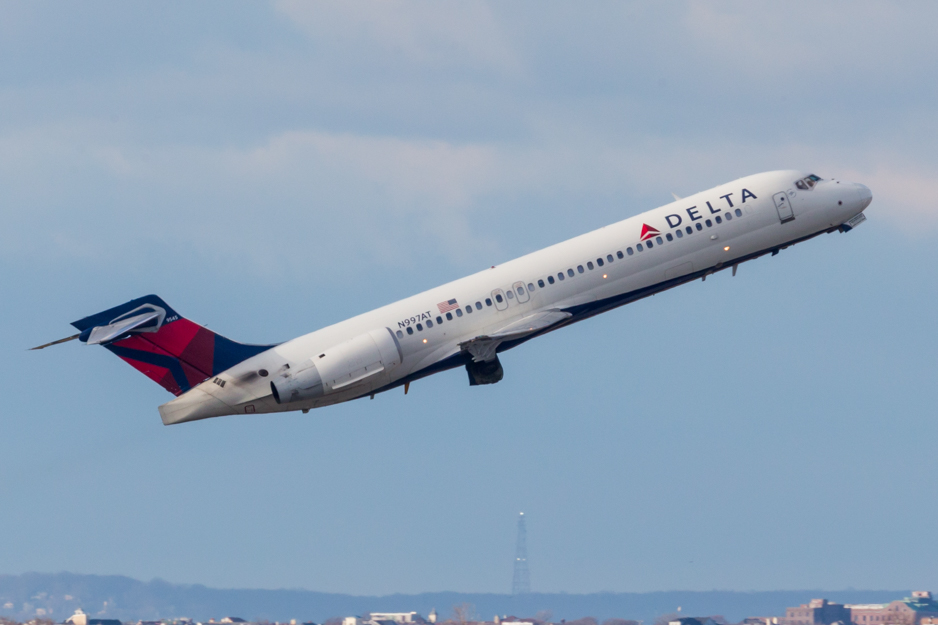
If you’ve ever flown on a Boeing 717 — perhaps aboard Delta Air Lines or Hawaiian Airlines — you may want to savour the memory. A recent regulatory action in the United States has triggered mandated inspections for the 717 fleet that could accelerate retirement plans for what is already among aviation’s rarest remaining passenger jets.
Once a stalwart short-haul workhorse, the 717 may now be entering its final chapter — with only two airlines worldwide still operating it in revenue passenger service.
Why the Boeing 717’s Safety Inspection Matters
The issue began with a safety incident: a 717 operated by Delta experienced a nose-gear failure during landing, when the nose gear failed to extend — an event that triggered a full investigation.
Following that, aviation regulators issued a fresh mandate: an Airworthiness Directive (AD) requiring repeated, intrusive inspections of key landing-gear components across the entire 717 fleet.
Such inspections are not trivial. They require downtime, dismantling parts for close examination, and potentially grounding aircraft that fail inspection. Given how heavily used 717s already are — often high-cycle, short-hop jets — even a modest failure rate could force airlines to remove some from service.
With only 99 717s still in operation as of early 2025 — 80 with Delta, 19 with Hawaiian Airlines — the margin for attrition is slim.
Who’s Still Flying the 717 — and What’s at Stake
As of now, the global passenger 717 fleet is essentially confined to two airlines:
-
Delta Air Lines — by far the biggest operator with roughly 80 aircraft. The 717 remains a core part of Delta’s domestic narrow-body fleet, especially on mid-range routes where its size and economics still make sense.
-
Hawaiian Airlines — operating about 19 717-200s, the airline’s inter-island shuttle service still depends heavily on the type, affectionately known as “Hawaiian’s bus.”
For both carriers, the AD presents a tough choice: invest more money into inspections and maintenance for older airframes, or speed up the move to replacement jets like the new-generation narrow-bodies that already exist in their fleets.
In recent years, Delta has explored replacement options including the Airbus A220, while Hawaiian appears to be evaluating future fleet strategy now more seriously than ever.
What This Could Mean: Near-Term Survival — Long-Term Uncertainty
At this point, the 717 isn’t grounded. The AD doesn’t require immediate grounding of all aircraft — only systematic, repeated inspection of the affected parts. That means the jet could remain operational for months or even a few years.
But realistically, the AD has changed the type’s long-term prospects dramatically. Consider:
-
Maintenance burden: Each inspection cycle will consume aircraft time — planes out of service for checks don’t generate fare revenue.
-
Aging airframes: Many 717s have already accumulated high cycles; fatigue and age-related maintenance will only grow.
-
Fleet economics: With modern replacements available (like A220s), airlines may find continuing costlier and less efficient than re-fleet with newer jets.
In other words: the 717 may still fly beyond 2026 or 2027 — but every inspection, every deferred maintenance decision becomes more critical.
Why This Matters to Spotters
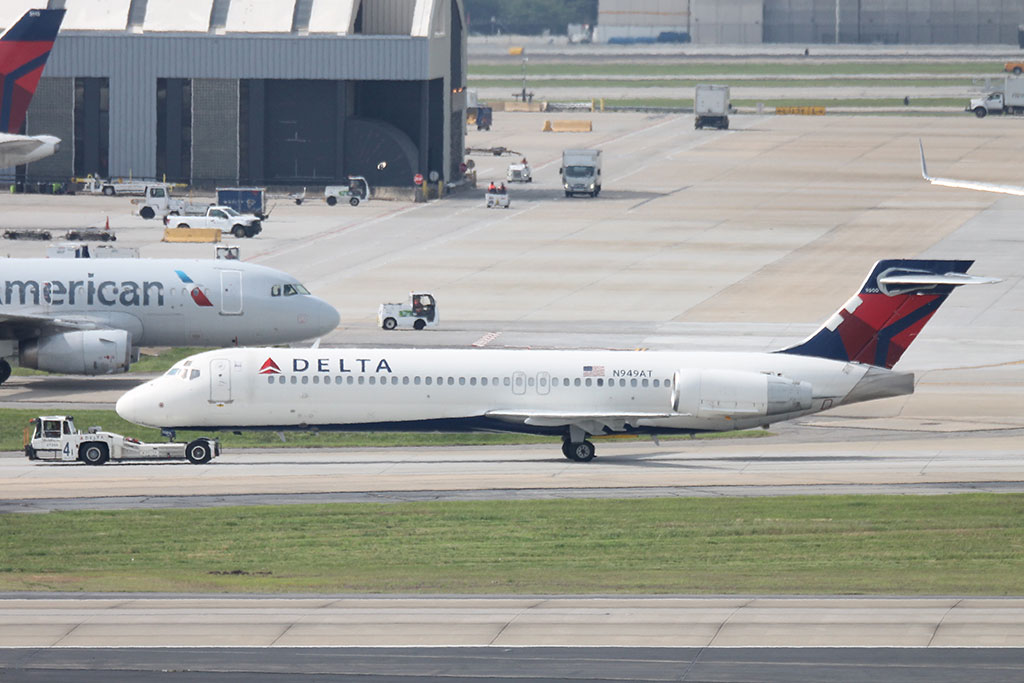
Delta’s oldest Boeing 717, N940AT, previously flew for AirTran.
For aviation enthusiasts and spotters, this could mark the beginning of the end for one of the last classic narrow-body jets still in regular passenger use.
-
The 717 was once common; now it’s rare. With only two operators, every aircraft grounded or retired becomes a noticeable loss.
-
Fleets shrinking will reduce route variety. Flights that once reliably used 717s may get switched to newer jets or consolidated.
-
Every active 717 could become a “must-see.”
The AD brings urgency — and for some spotters and frequent flyers, a chance to capture the 717 while it still flies.
Final Thoughts: The Fragile Life of an Aviation Relic
The Boeing 717 never had the glamour of an A380 or the range of a 777 — but in its niche, it was perfect: compact, efficient, reliable, and ideally suited to short- to medium-range flying.
Now, with a mandated safety inspection regime and shrinking airline support, it stands at a crossroads.
If operators decide the cost and complexity is too great, 2025 may mark the year the 717’s glory days truly ended. But if they choose to invest — roll up their sleeves, comply with the new AD, and weather the short-term disruption — the 717 might soldier on for a few more seasons yet.
For now, it remains one of the rarest regularly flown commercial jets in the world — and that makes every flight, every landing, and every departure worthwhile to watch.


1 comment
[…] Source: https://www.airportspotting.com/new-safety-directive-clouds-the-future-of-the-boeing-717/ […]