
Summary
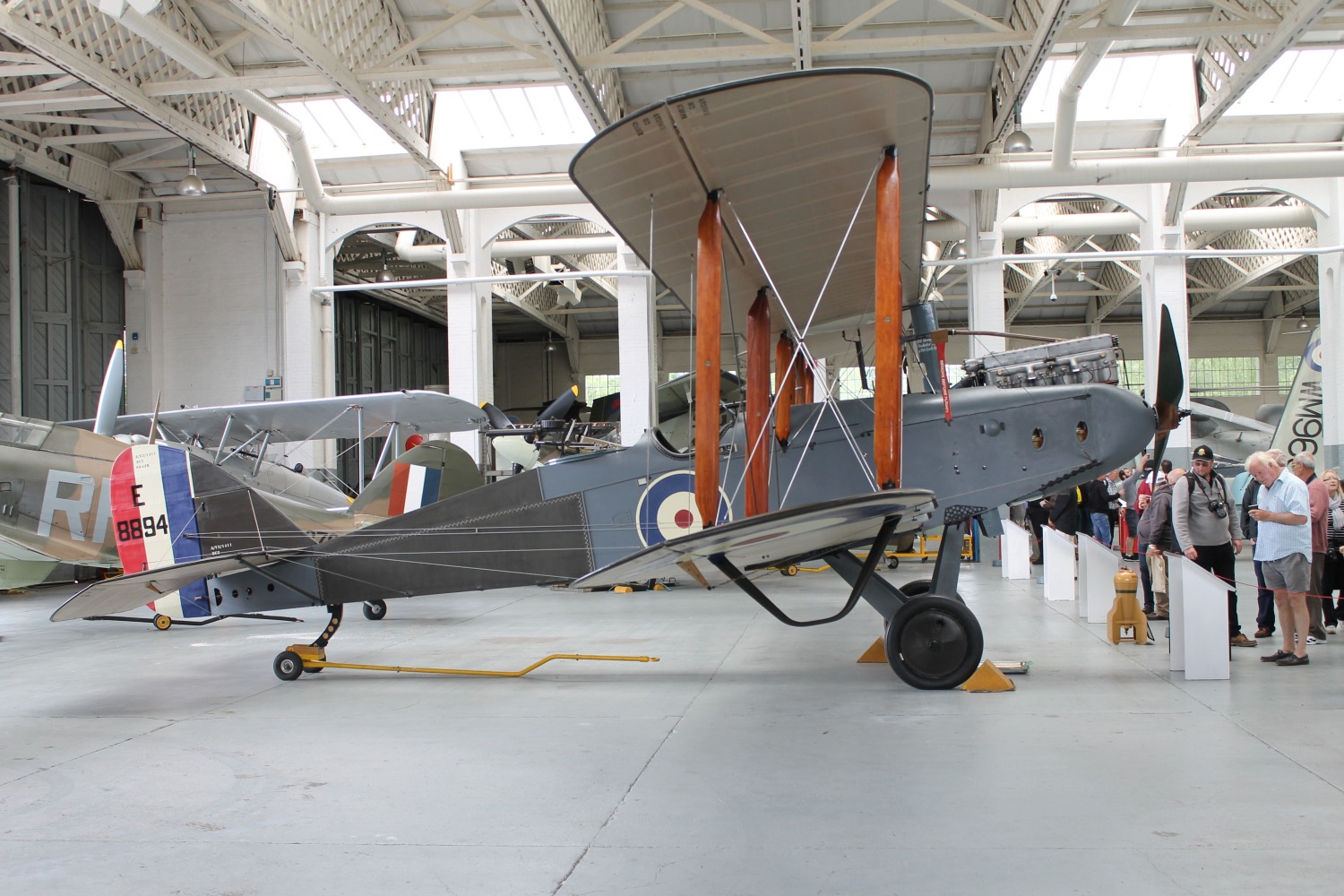
Visiting an aviation museum is a great event for many enthusiasts. You’ll find rare aircraft, historic airliners, and unique angles you simply won’t find at an airport. But photographing them well? That’s another story.
Between low lighting, tight spaces, and cluttered surroundings, museum photography can be surprisingly challenging. Here are seven practical tips to help you come away with images you’ll actually be proud of.
1. Work With the Lighting—Don’t Fight It

Lighting is one of the biggest hurdles in any museum. Many exhibits are deliberately dim to protect artefacts from damage caused by light exposure .
That means you’ll often be dealing with:
- Low light levels
- Mixed lighting (natural + artificial)
- Strong spotlights and deep shadows
Rather than trying to overpower it, embrace it. Increase your ISO, shoot in RAW, and expose carefully—protect highlights where possible and recover shadows later.
If tripods aren’t allowed (and they often aren’t), steady yourself against railings or use image stabilisation.
2. Choose the Right Lens for the Space
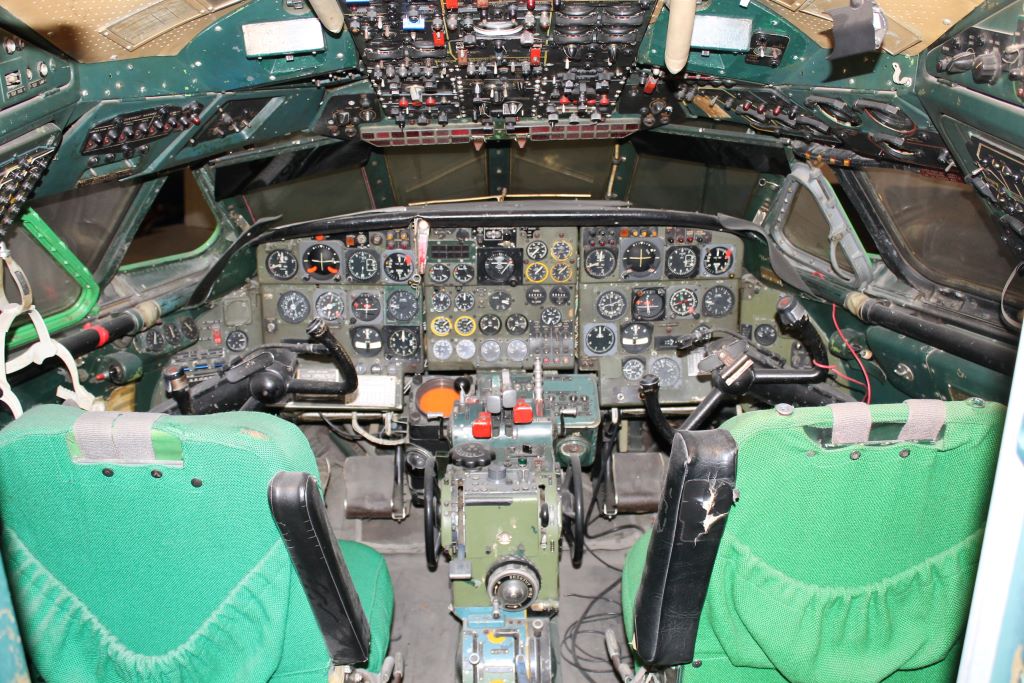
Aviation museums are rarely spacious. Aircraft are packed tightly together, and stepping back isn’t always an option.
A wide-angle lens is often essential for capturing:
- Entire aircraft
- Cockpits and interiors
- Tight hangar scenes
However, be careful—too wide, and you’ll introduce distortion. For cleaner results, a standard or short telephoto lens (around 50–85mm equivalent) can produce sharper, more natural-looking images with less distortion .
Even a smartphone camera can be ideal for capturing aircraft in an aviation museum. They are often more forgiving in certain light conditions, and easier to navigate into tight angles.
3. Watch Out for Clutter
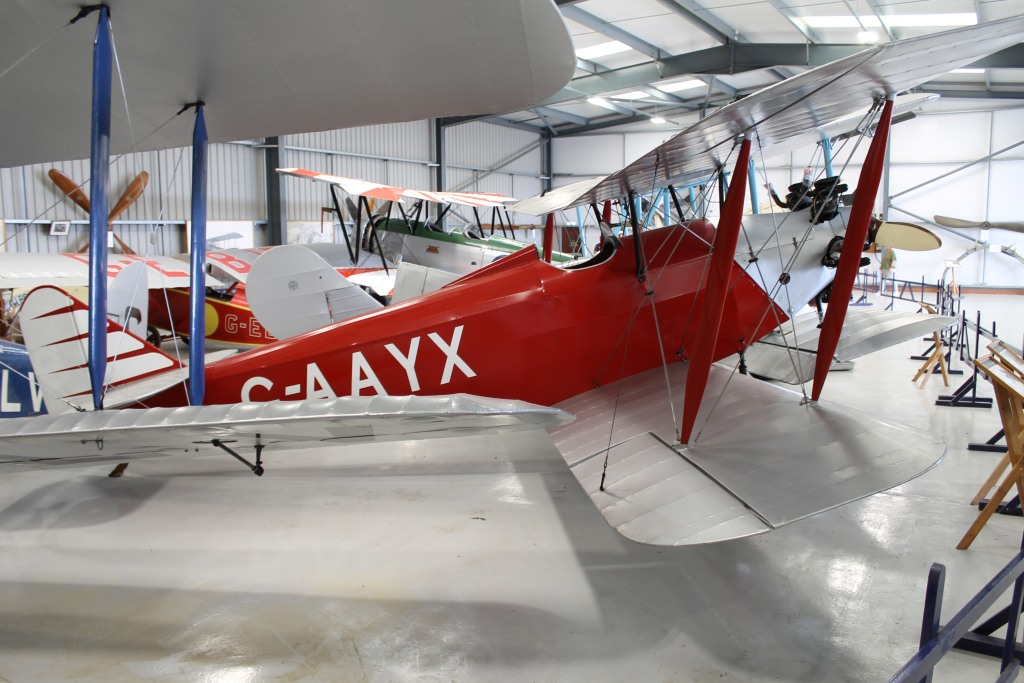
Unlike airport ramps, museum displays are rarely “clean.” You’ll often have:
- Information boards
- Barriers and ropes
- Other visitors
- Background aircraft parts
Clutter is one of the biggest distractions in photography, reducing the clarity and impact of your image .
Take a moment to reframe your shot. Move a step left or right, shoot tighter, or change your angle to isolate the aircraft or detail you want.
The benefit, unlike an airport, is that the aircraft are not going anywhere!
[READ: The World’s 10 Coolest Aviation Museums]
4. Focus on Details, Not Just the Whole Aircraft
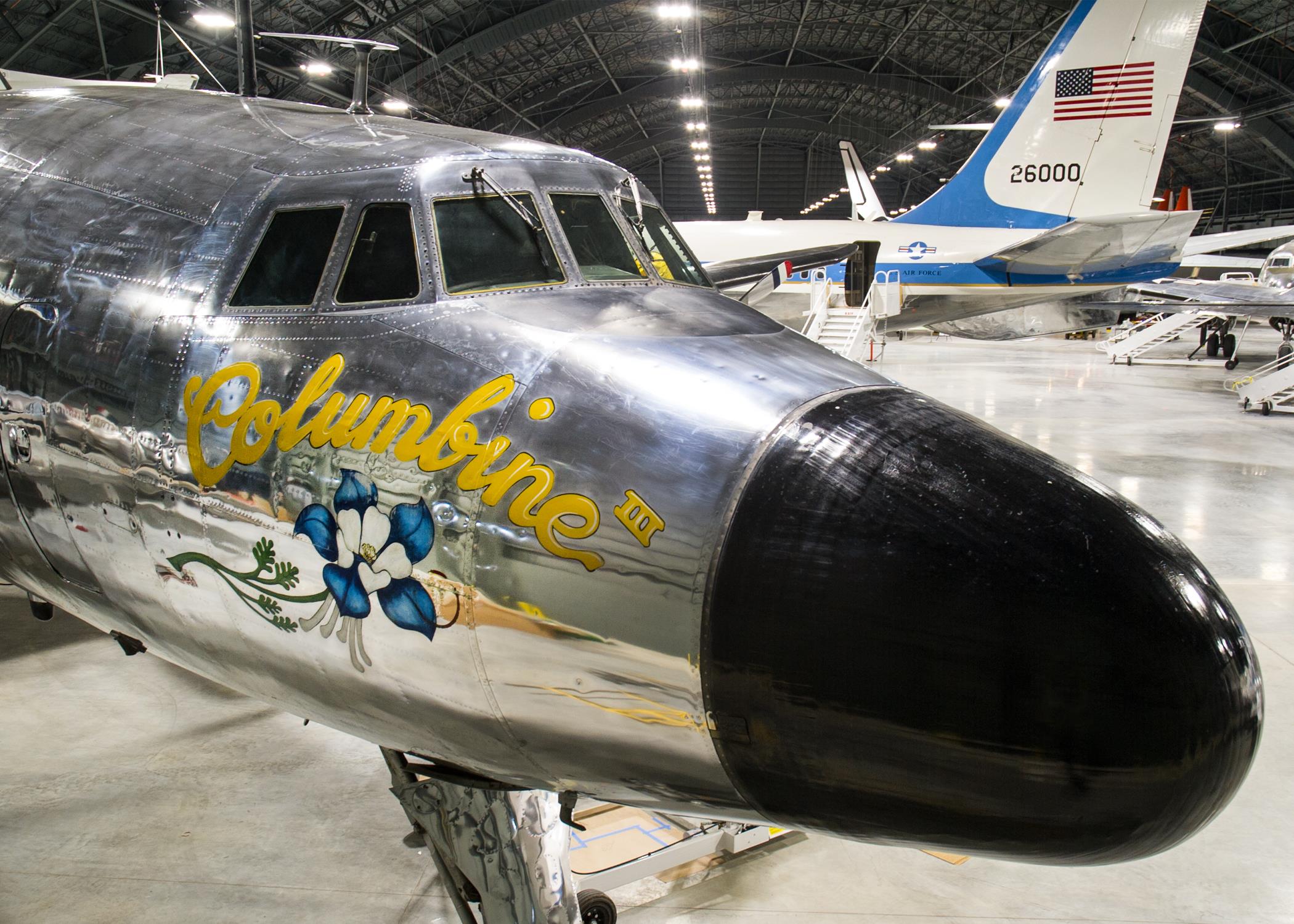
Sometimes, getting a full aircraft shot just isn’t possible. That’s where details come in.
Look for:
- Cockpit panels
- Engine intakes
- Landing gear
- Airline titles or logos, or squadron serials
Changing your angle and focusing on specific elements can create more interesting and creative compositions than a standard side-on shot .
5. Manage Reflections and Glass
Many exhibits—especially cockpits or smaller artefacts—are behind glass. That introduces reflections, glare, and loss of contrast.
To minimise this:
- Get as close to the glass as possible
- Shoot at an angle rather than straight-on
- Block stray light with your hand or lens hood
Avoid using flash—it’s often prohibited and will only make reflections worse.
6. Get Your White Balance Right
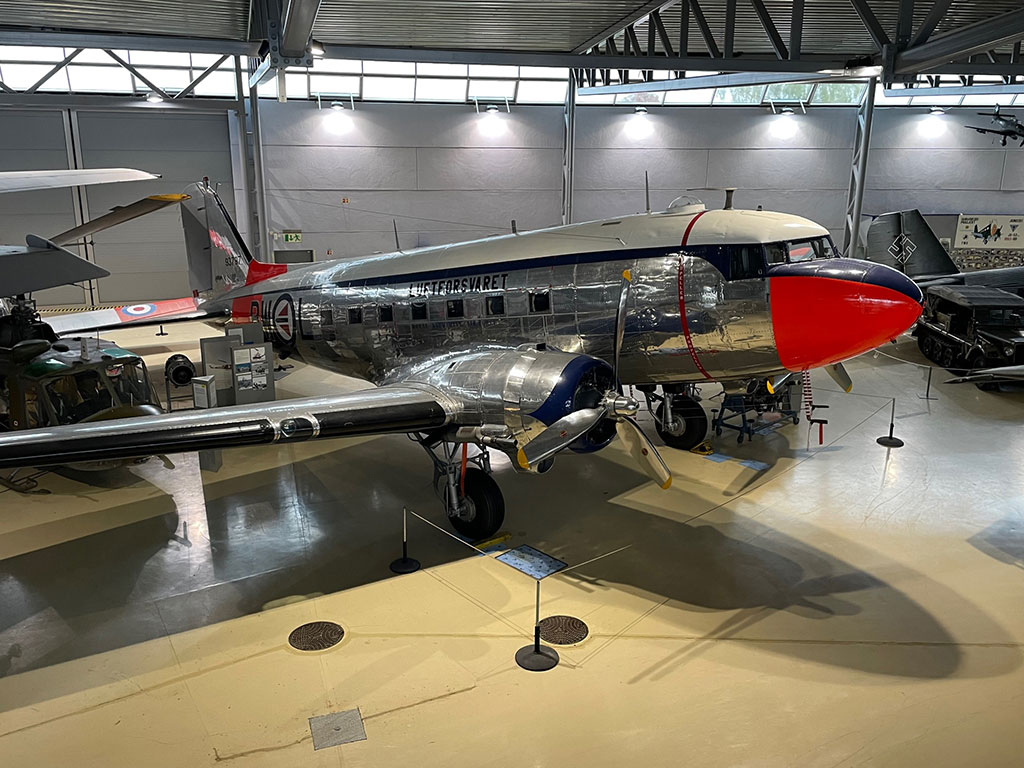
Museum lighting can vary wildly—LED, halogen, and natural light may all be present in the same scene .
This can result in strange colour casts, especially on white fuselages.
Set a custom white balance where possible, or correct it later in editing. Shooting in RAW gives you much more flexibility to fix colour issues afterwards .
7. Be Patient and Respect the Space
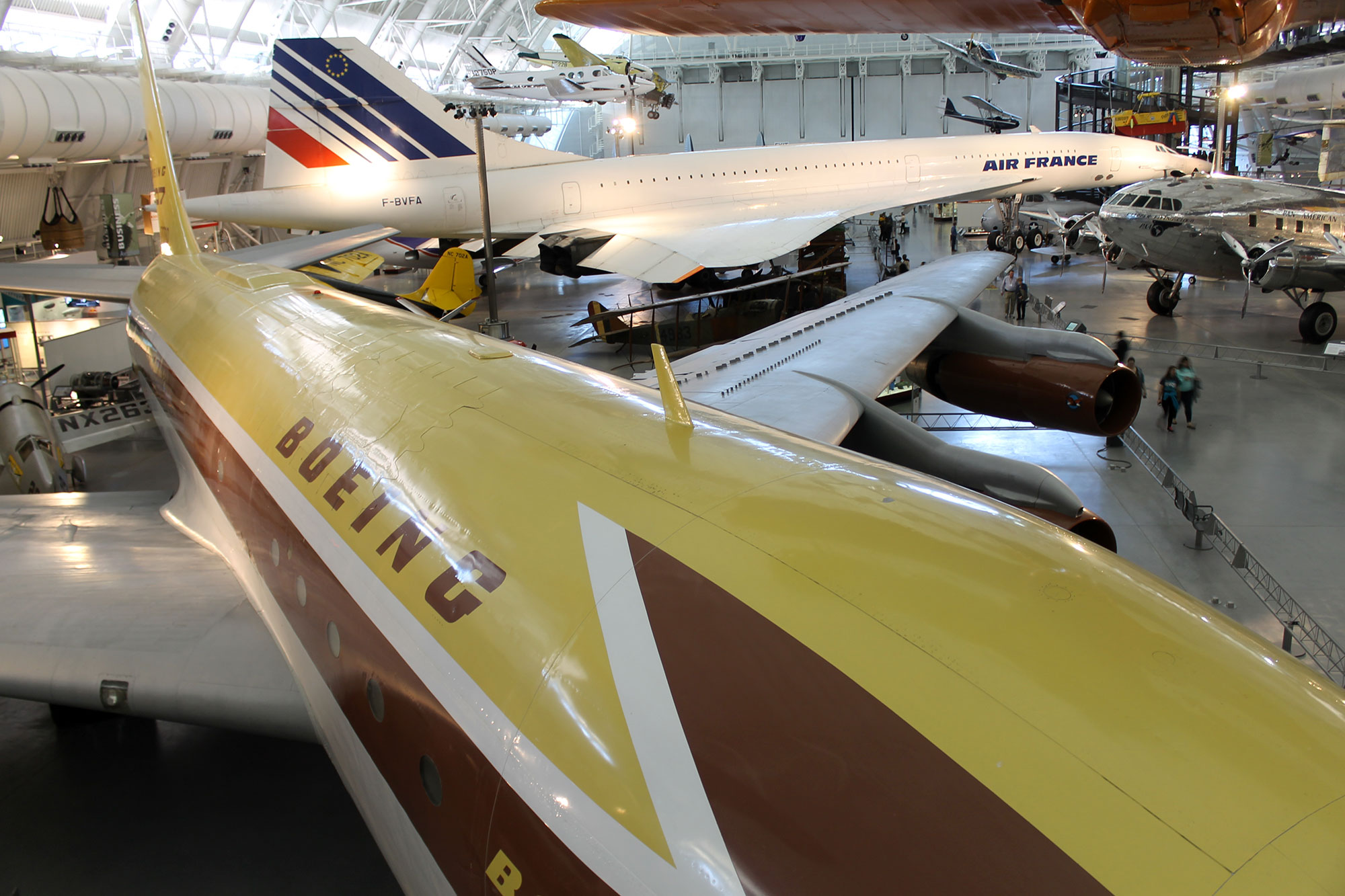
Museums are shared spaces, and photography should never get in the way of other visitors.
Take your time:
- Wait for gaps in crowds
- Be ready to shoot quickly when the scene clears
- Avoid blocking walkways
Good museum photography is often about patience rather than speed.
[Read: Visiting the RAF Museum at Hendon]
Final Thoughts
Aviation museums offer some of the most unique photography opportunities in the hobby—but they demand a different approach compared to airport spotting.
Master the light, work around the limitations, and think creatively—and you’ll come away with images that truly capture the atmosphere and history of these incredible machines.
Airport Spotting Premium – for serious spotters and enthusiasts! Get more content and guides like this covering the world of plane spotting, aircraft, museums and flying.


1 comment
[…] This article was prepared by LibelulaFly as an independent aviation-news summary and editorial reinterpretation based on publicly available reporting. Images, when used, are included for editorial context with source attribution. Original source: http://www.airportspotting.com. Read the original article here: https://www.airportspotting.com/7-tips-for-photographing-aircraft-in-aviation-museums/. […]