

Summary
Few aircraft capture the imagination of aviation enthusiasts quite like the Boeing 757. Sleek, powerful, and versatile, this twinjet remains a firm favorite among spotters even though production ended in 2004.
From its unique performance capabilities to its distinctive looks, the 757 has carved out a legacy that spotters still chase around the world.
A Narrowbody with Widebody Performance

Konstantin von Wedelstaedt (GFDL 1.2 <http://www.gnu.org/licenses/old-licenses/fdl-1.2.html> or GFDL 1.2 <http://www.gnu.org/licenses/old-licenses/fdl-1.2.html>), via Wikimedia Commons
The Boeing 757 was designed in the late 1970s as a replacement for the 727, but it quickly proved itself capable of far more. Its powerful Rolls-Royce RB211 and Pratt & Whitney PW2000 engines gave it unrivalled take-off performance, often described as “rocket-like” by pilots and spotters alike.
Despite being a narrowbody, the 757 could fly transatlantic routes with ease, something few aircraft in its class could manage at the time. This combination of long legs and short-field performance made it a workhorse for airlines large and small.
Why Spotters Love the 757
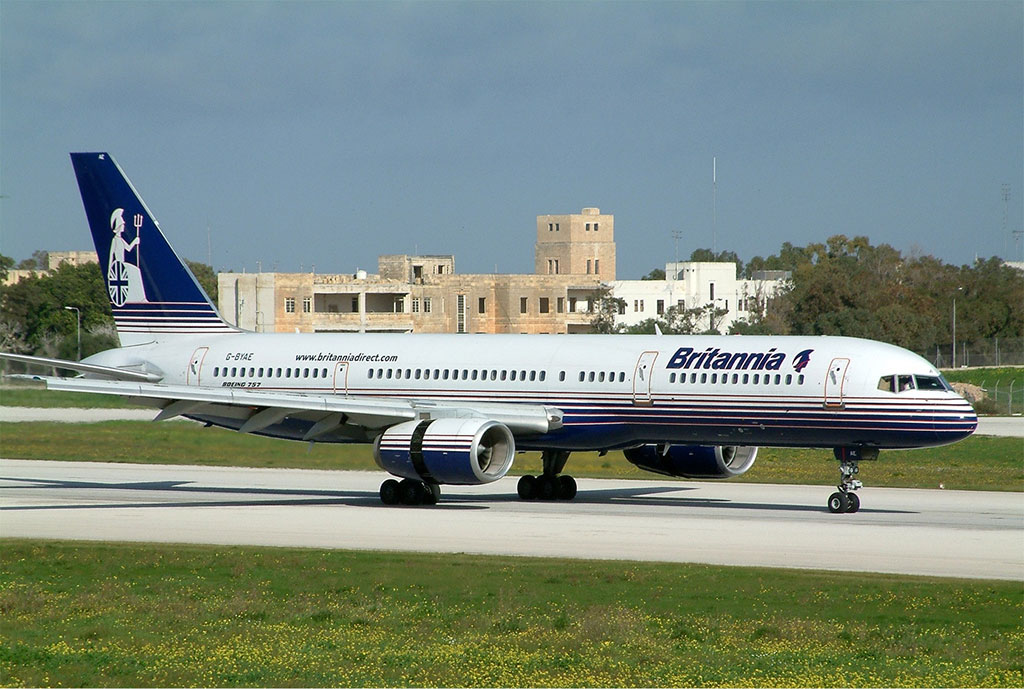
Boeing 757-204 G-BYAE of Britannia Airways. (Jean-Pierre Tabone Adami, licensed under GFDL 1.2)
- Distinctive silhouette – long fuselage, tall landing gear, and graceful wing design.
- Powerful departures – steep climbs and loud engines make for thrilling photos and videos.
- Versatile operations – from tiny island runways to major international hubs.
- Rare variants – the stretched 757-300 is only flown by Delta and United today.
For spotters, catching a 757 is often a highlight of any trip, whether it’s a Delta 757 pushing back at JFK or an Icelandair jet heading out across the Atlantic.
Passenger Service Is Fading, Cargo Keeps Flying
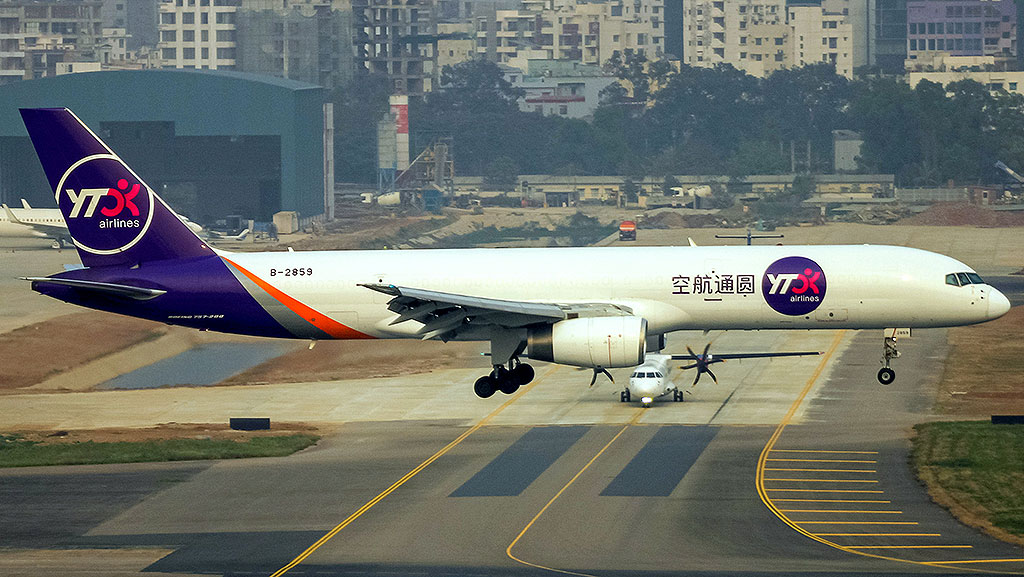
Boeing 757-28S (PCF) B-2859 of YTO Cargo Airlines. (Md Shaifuzzaman Ayon, licensed under CC BY-SA 4.0)
Most major airlines have retired their 757 fleets in favor of Airbus A321neos and Boeing 737 MAXs. But the type lives on with a handful of operators like Delta and United, and with cargo giants such as FedEx and DHL.
Freighter conversions have given the 757 a second life, meaning it’s still a regular sight at cargo hubs like Leipzig, East Midlands, and Cincinnati.
The 757 MAX: The Jet That Never Was
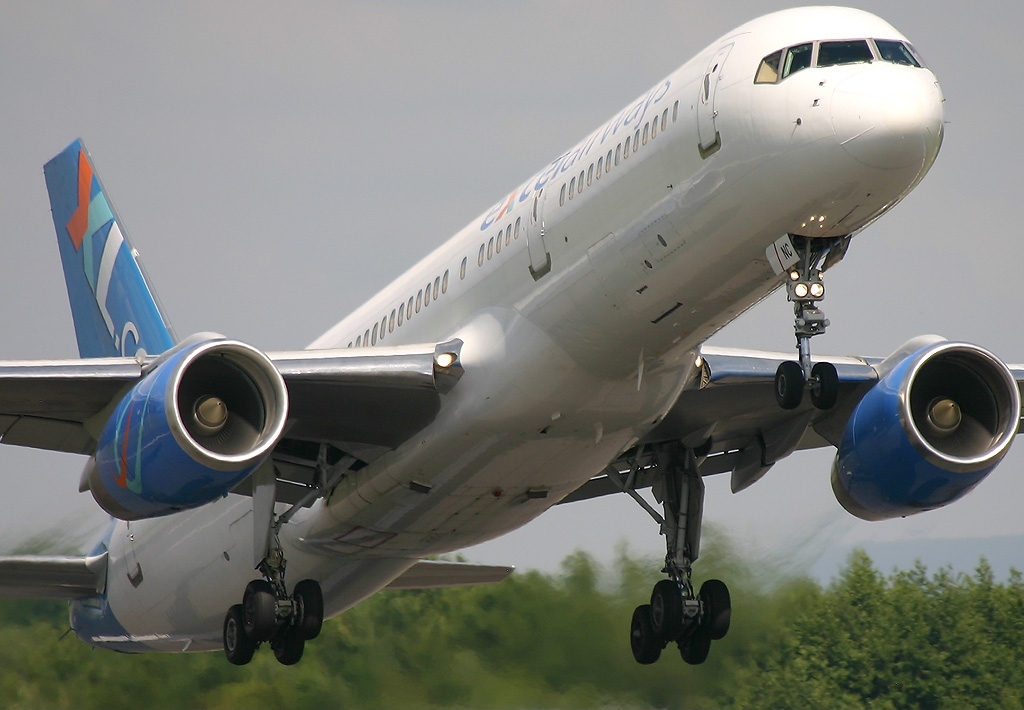
Boeing 757-225 G-VKNC of XL Airways. (Dale Coleman, licensed under GFDL 1.2)
Many aviation experts — and plenty of enthusiasts — believe that Boeing made the wrong call by updating the 737 into the MAX instead of developing a 757 successor.
Why?
- The 757 already had the range and performance to handle longer “thin” routes.
- A re-engined 757 with modern avionics could have offered airlines better economics than the 737 MAX.
- It may also have avoided the design compromises that contributed to the MAX’s well-documented issues.
For spotters, the idea of a “757 MAX” is a fascinating what-if. Imagine seeing brand new 757s with next-gen engines, winglets, and modern cockpits at airports today — it’s a dream that adds to the mystique of the type.
A Jet Worth Spotting While You Can
The Boeing 757 is becoming rarer, but its reputation and appeal remain strong. Whether it’s the roar of an RB211 on take-off, the sight of a stretched 757-300, or the idea of what might have been with a “757 MAX,” this aircraft continues to inspire aviation enthusiasts worldwide.
If you’re lucky enough to spot one in 2025, make sure your camera’s ready — the 757 won’t be around forever.
 Boeing 757 Timelines
This stunning book by Nigel Richardson charts the development and operational life of the Boeing 757. It looks at the different variants, including the cargo, military and VIP versions of the 757, as well as the main passenger operators.
You can get a copy of the book at this link.


1 comment
[…] Source: https://www.airportspotting.com/the-boeing-757s-unique-capabilities-why-spotters-still-love-it/ […]